

The cause of injury and loss of blood-forming stem cells (Hematopoietic Stem Cells, HSC) in Fanconi anemia is due to abnormal repair of a specific type of DNA damage in which two DNA strands get permanently knotted to each other. This type of injury probably...
Supported Research
-
-
As a monogenic blood disorder with potential survival disadvantage, Fanconi anemia has long been considered an attractive target for conventional gene therapy but success has been elusive. Consequently, there has been increasing interest in developing techniques to catalyze correction of the disease-causing mutation at the...
-
This is a training grant for a medical geneticist from Mexico City, who will develop a registry and subsequently a cohort of patients with FA who reside in Mexico. The project addresses one of the research priorities of the FARF:
-
Fanconi anemia increases the risk of cancer as individuals' age. This is likely due to defects in the Fanconi DNA repair pathway that lead to the formation of rare cancer-causing mutations. Fanconi anemia individuals are defective in both copies of a Fanconi gene (one from...
-
Fanconi anemia is caused by mutations in number of genes involved in DNA repair. Two key players are genes called FANCD2 and FANCI. These genes serve as central regulators of the Fanconi DNA repair pathway. Dr. Deans and others have shown that regulation occurs through...
-
In the field of rare diseases it is extremely difficult to perform clinical trials with new chemical entities without prior information on bioavailability, dose and safety in humans. Drug repurposing is the application of known drugs and compounds to new indications. Thus, the aim of...
-
It has long been recognized that gene-environment interactions influence the clinical course of individuals with FA, yet the underlying mechanisms remain elusive. Drawing on this labs deep expertise in protein folding diseases this project proposes a pragmatic approach to address this issue which can directly...
-
Many have proposed that lentiviral vector (LV)-mediated hematopoietic stem cell (HSC) gene therapy may constitute a new safe and efficient approach for the treatment/prevention of the bone marrow failure (BMF) characteristic of FA patients. To further improve the possibilities of developing a safe and efficient...
-
Eighty percent of FA patients survive beyond age 20, carry a high risk for squamous cell carcinoma (SCC) of the oropharyngeal and anogenital regions connected with high morbidity and mortality. In addition to intrinsic genetic instability, HSCT and a number of other factors contribute to...
-
Dry and moist skin (e.g., in the mouth) plays a critical role in maintaining a barrier against environmental insults and cancer. Based on new data, this team believes that individuals with FA may have an impaired barrier and this may be why they are at...


The Latest
News & Events
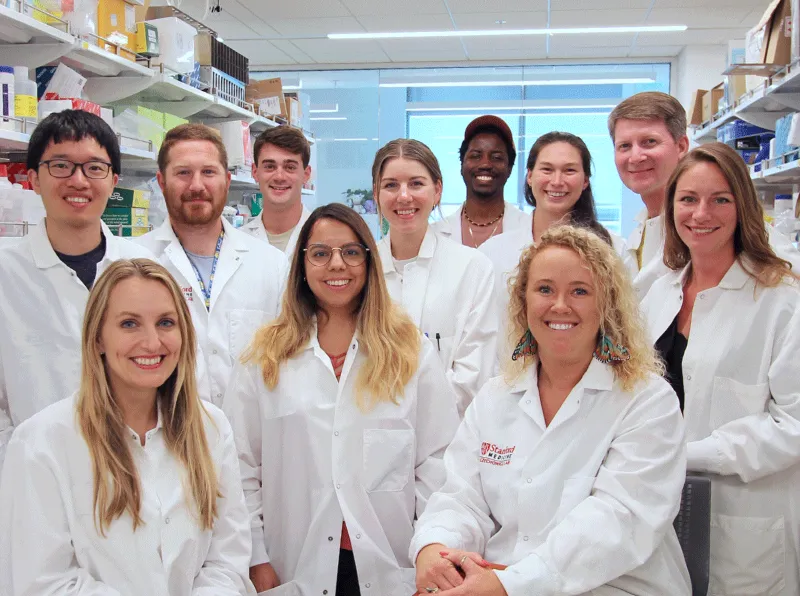
Czechowicz lab at Stanford Promising research needs continued support to answer the next question. A laboratory finding may need testing in more models. A screening study may need years of follow-up. An approach ready for a clinical study needs the...
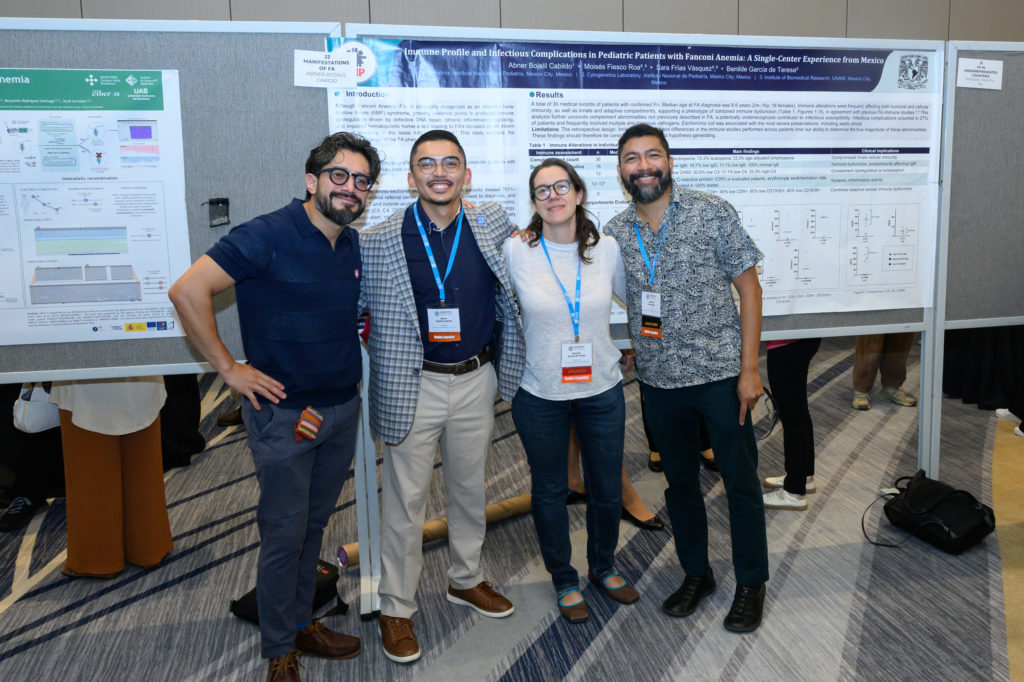
How can we prevent cancer in people with FA? How can treatments become safer? At the 2026 FA Scientific Symposium in Phoenix, researchers shared progress toward answering these questions, alongside work to protect blood-forming cells and better understand the broader effects of FA. Some approaches are entering clinical studies. Others are helping researchers decide which ideas deserve further testing.
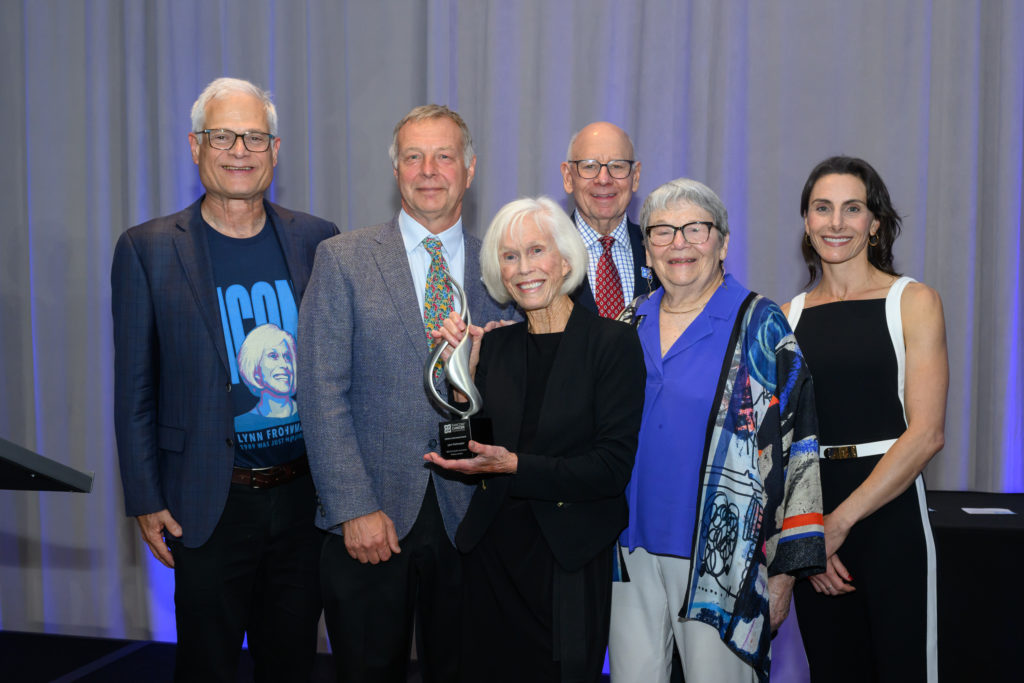
More than four decades ago, Lynn Frohnmayer was a mother searching for answers after learning that three of her five children had Fanconi anemia. There was no roadmap and no established network of families or experts. Information was scarce, treatments were limited, and the future her family had been given was devastating.