Some people lead organizations. A rare few create the conditions for an entire field and community to grow.
More than four decades ago, Lynn Frohnmayer was a mother searching for answers after learning that three of her five children had Fanconi anemia. There was no roadmap and no established network of families or experts. Information was scarce, treatments were limited, and the future her family had been given was devastating.
So Lynn began learning.
She read every scientific paper she could find and called the researchers who had written them. She reached out to other families by mail. She listened, asked questions and shared what she learned.
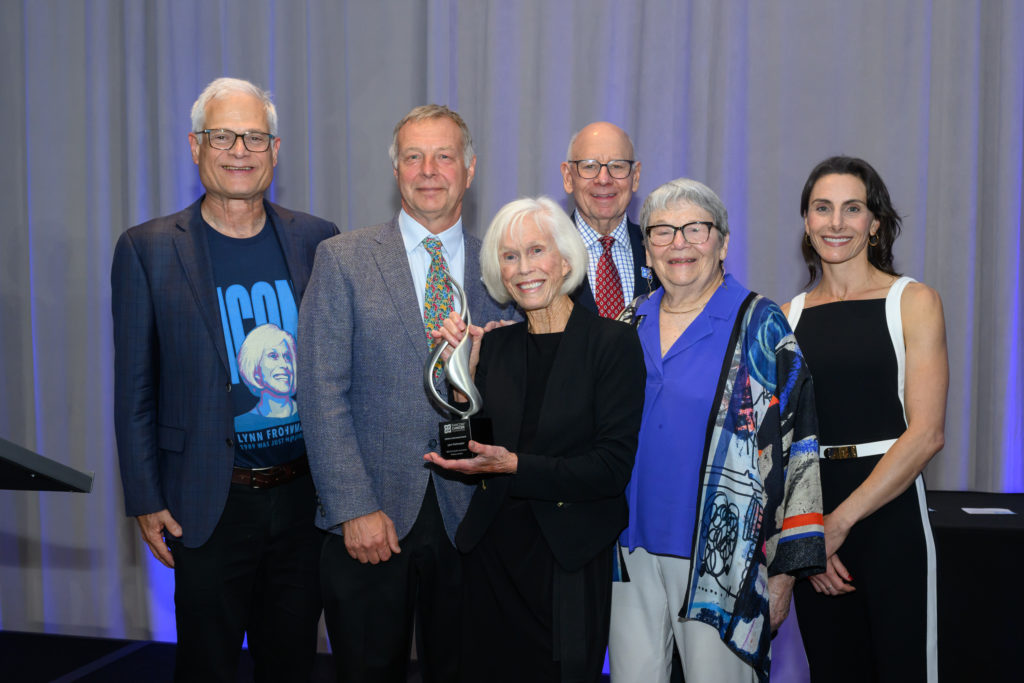
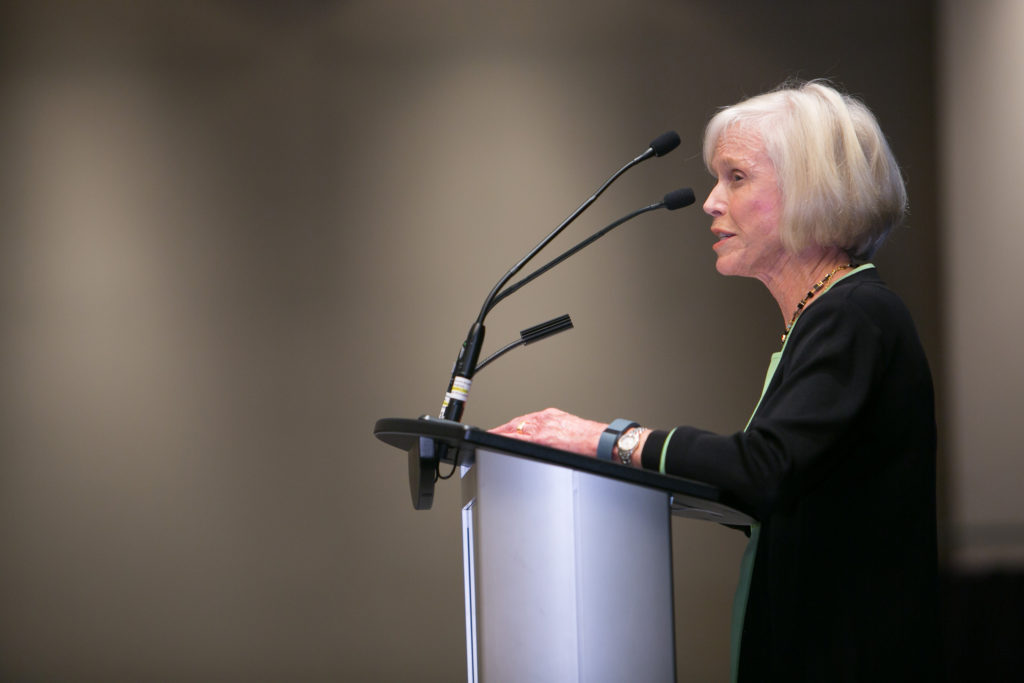
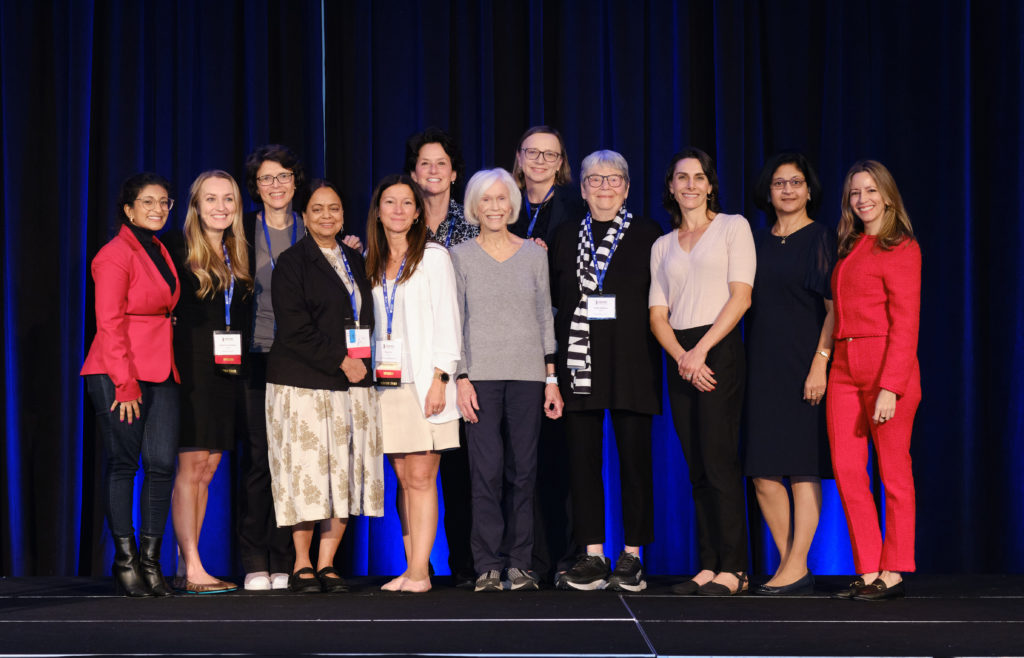
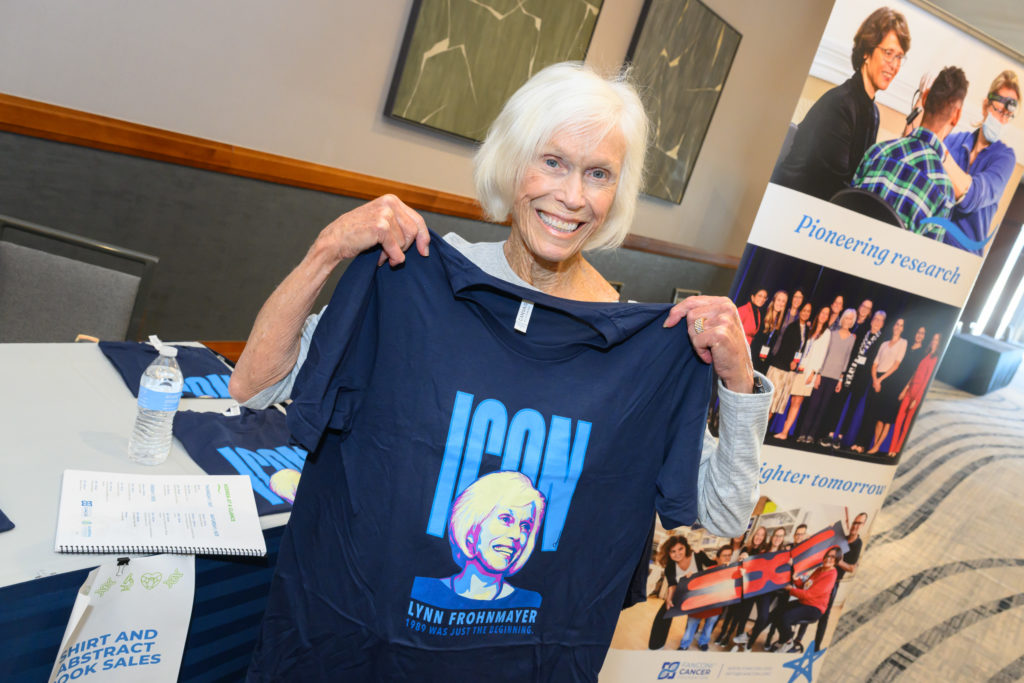
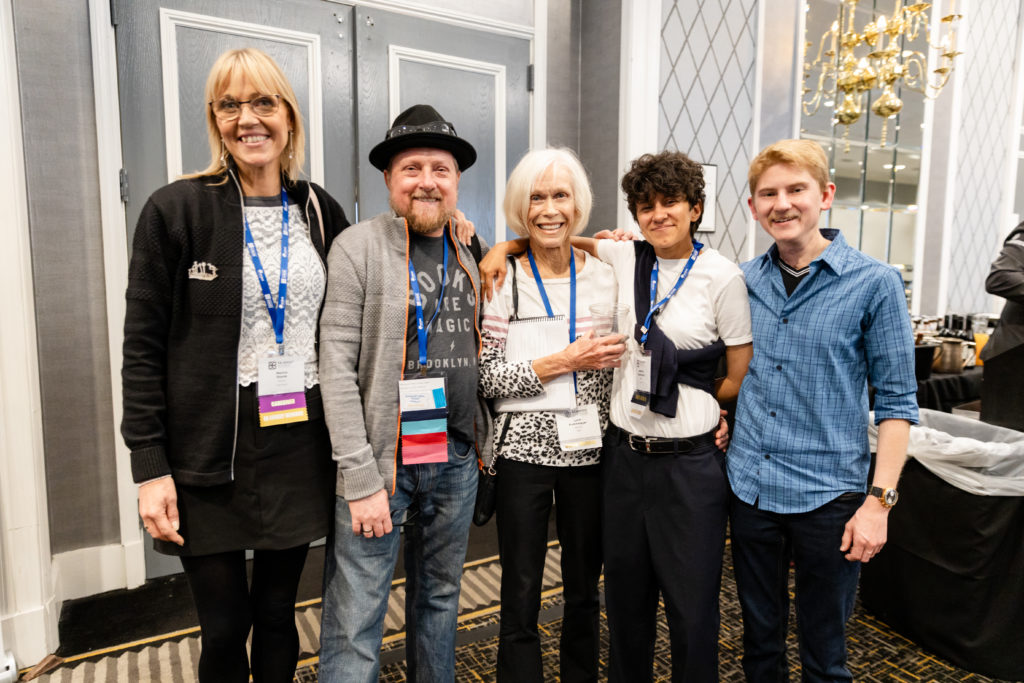
On Oct. 2, the Fanconi Cancer Foundation honored that lifetime of work with its Lifetime Achievement Award at the FA Scientific Symposium in Phoenix. The audience rose in a standing ovation, recognizing a woman whose persistence and care helped build the community gathered in the room.
From the first letters to a worldwide community
In 1985, Lynn’s outreach became a family support group and the FA Family Newsletter. Families who had been searching on their own could now share information and find someone who understood.
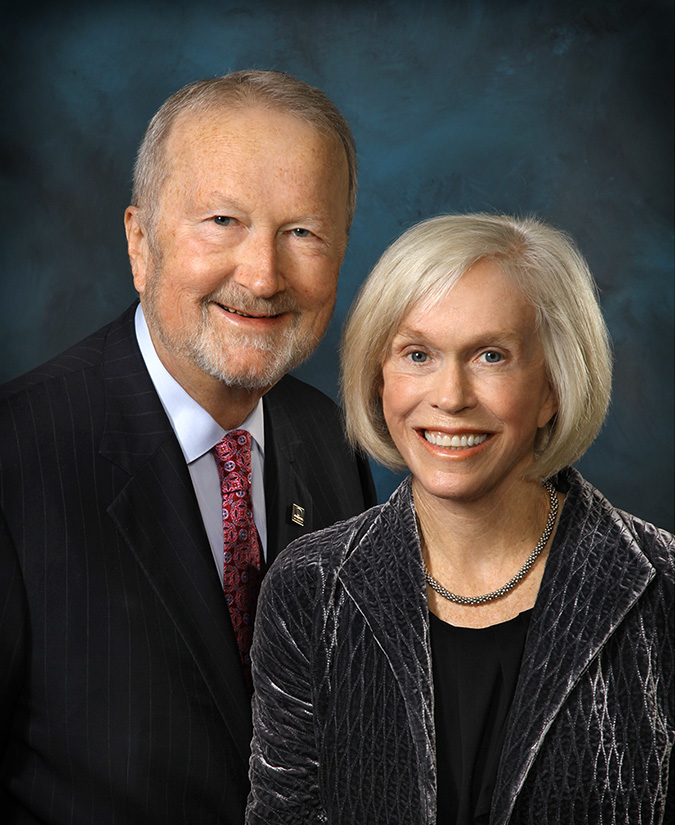
In 1989, Lynn and her husband, David, invited researchers to Portland and asked them to “bring their brains.” Together, they established principles that still guide our work: bring people together, share knowledge, support promising science, encourage collaboration and keep the needs of families at the center.
That same year, a few checks made out to an organization that didn’t technically exist yet led Lynn and David to establish the Fanconi Anemia Research Fund in Eugene, Oregon.
It was, as Lynn has called it, an accidental organization. But what followed was anything but accidental.
For decades, Lynn wrote and edited newsletters, helped develop clinical care guidelines, evaluated research proposals, organized scientific and family meetings, served on the board, raised research funding and supported families through some of the most difficult moments of their lives.
“Lynn brought families’ questions directly to researchers and helped secure the funding to pursue answers,” said FCF CEO Isis Sroka. “She also understood that families needed more than scientific progress. They needed reliable information, someone who would listen, and a community they could count on. Her work helped build all three, and those needs still guide every decision we make.”
More years of life and more work ahead
Lynn kept returning to a question that has moved this organization forward: What must we do next to help people with FA live longer, fuller lives?
That question helped focus research on gene discovery, safer bone marrow transplantation, gene therapy and, increasingly, the prevention, detection and treatment of cancer.
With substantial support from the Eugene community and donors beyond it, Lynn and David helped raise tens of millions of dollars for research. Today, the Fanconi Cancer Foundation has invested more than $35 million in studies worldwide.
Many children with FA once were not expected to reach adulthood. Today, adults are living into their 30s, 40s and beyond. Bone marrow transplant survival exceeds 90% for people treated at experienced FA centers. Scientists have identified 23 genes associated with FA, including BRCA1 and BRCA2, two genes linked to inherited breast cancer risk.
These advances mean more time together and more possibilities for the future. They also make safer cancer care increasingly urgent. People with FA face a high cancer risk, and standard chemotherapy and radiation can cause severe harm because of their DNA-repair disorder. FCF supports research to prevent cancer, detect it earlier and develop safer treatments, alongside gene therapy, gene editing and other approaches to FA and its complications.
A commitment that continues
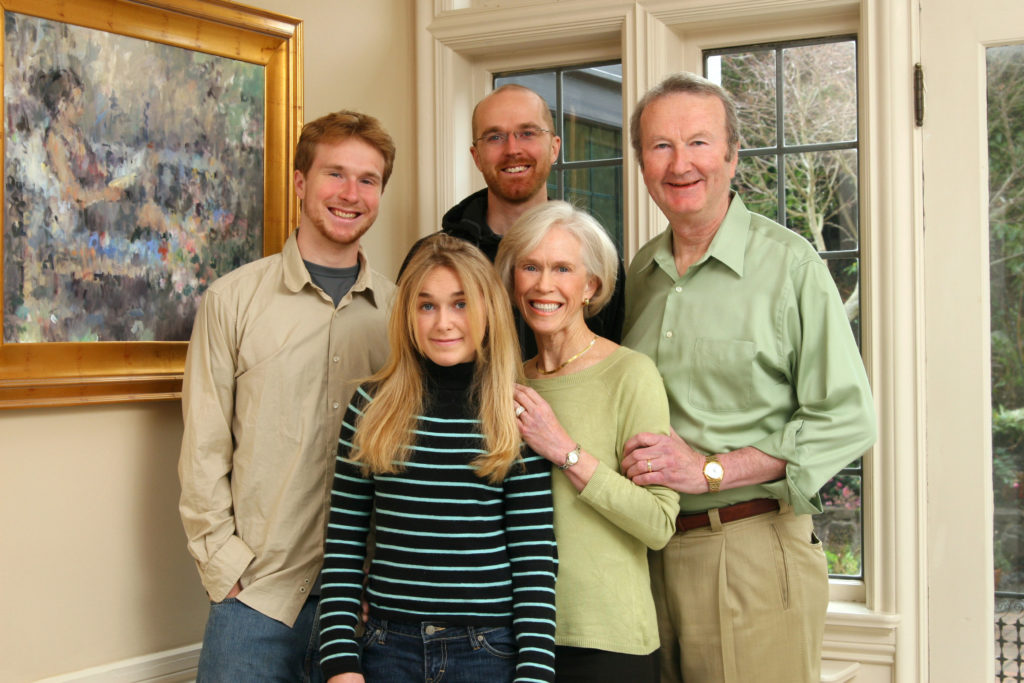
Lynn and David’s three daughters with FA, Kirsten, Katie and Amy, all died from complications of the condition. David, who served as University of Oregon president from 1994 to 2009, died in 2015. Lynn has continued her work for the FA community, supporting families and helping advance the research they need.
The progress we celebrate belongs to many people: families who shared their experiences, scientists and clinicians who pursued answers, and donors and fundraisers who made the work possible.
But every community needs someone willing to write the first letter, make the first call and invite the first people into the room. Lynn was that person, again and again.
This award honors what Lynn has accomplished and how she has done it: with intellectual curiosity, honesty, persistence and compassion. We’re grateful for the community she helped build and for the care she continues to bring to it.