

Head and neck cancer is a major issue for the FA population. There is no suitable preclinical model to study potential strategies for preventing or delaying squamous cell carcinoma in FA. Using a cancer-prone mouse model developed by a lab in the United Kingdom, researchers...
Supported Research
-
-
While the transplantation of healthy blood-forming stem cells from a healthy related or unrelated donor is the current standard of care for FA patients, this treatment carries a significant risk of morbidity and mortality caused by the toxic preconditioning regimen and immunological complications. Our work...
-
Bone marrow transplantation has been used for 60+ years to treat >1,000,000 patients suffering from many types of blood or immune diseases, and this therapy is the best current treatment for FA patients experiencing blood problems. This procedure relies on replacing sick blood-forming stem cells...
-
Fanconi anemia (FA) patients are at exceptionally high risk of developing epithelial cancers. We aim to identify features of these cancers that provide new insight into their origins, and better ways to treat these cancers in the context of FA patients. As part of this...
-
Individuals with FA have an increased risk of developing anogenital squamous cell carcinoma (cancer of the vulva, cervix, vagina, or anus), but the best and safest way to treat these cancers in individuals with FA is unknown because only a small numbers of cases have...
-
As individuals with FA reach adulthood, they have an increased risk of developing cancer, especially head and neck and anogenital squamous cell carcinoma. Cancer treatment options for individuals with FA are limited due to the DNA repair defects associated with the disease. Therefore, there is...
-
Through the first systematic evaluation of all known FA genes in a selected group of infertile patients showing mild hematological alterations we expect to diagnose adult-onset FA. Our objective is to diagnose the disease before the appearance of severe complications and to allow preventive interventions...
-
Head and neck cancer in adult Fanconi anemia patients is often poorly managed with standard treatments. New drugs that work on controlling the cell cycle and cell division, rather than by damaging the cell’s DNA, may be safer in patients with FA. Researchers have preliminary...
-
A limitation in FA research is the absence of a live model that displays key features of the disease. Researchers at OHSU will create the first large animal model of FA to test potential therapies for people with FA.
-
Fanconi anemia patients have a very high predisposition to head, neck, and anogenital squamous cell carcinoma (SCC). To understand how these cancers develop, Dr. Smogorzewska and team are cataloging genetic changes that are present in the cancers. They are using the latest DNA sequencing technologies...


The Latest
News & Events
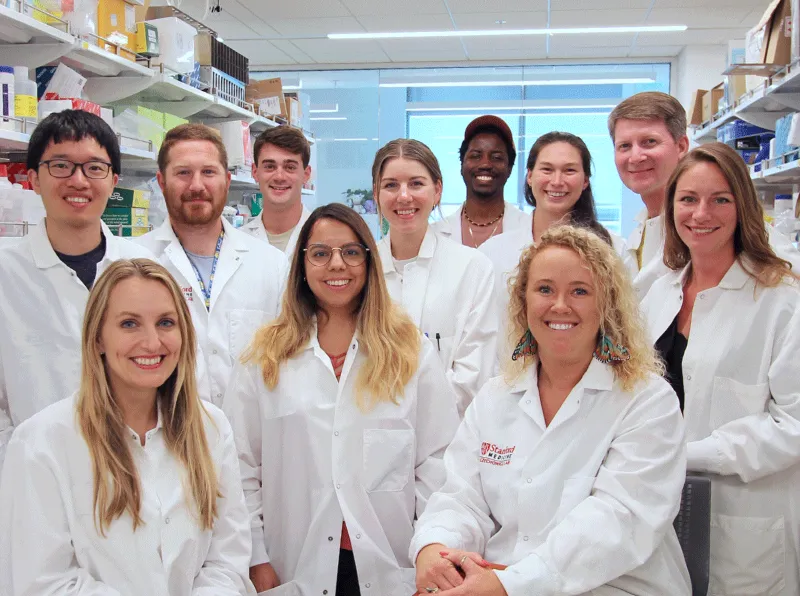
Czechowicz lab at Stanford Promising research needs continued support to answer the next question. A laboratory finding may need testing in more models. A screening study may need years of follow-up. An approach ready for a clinical study needs the...
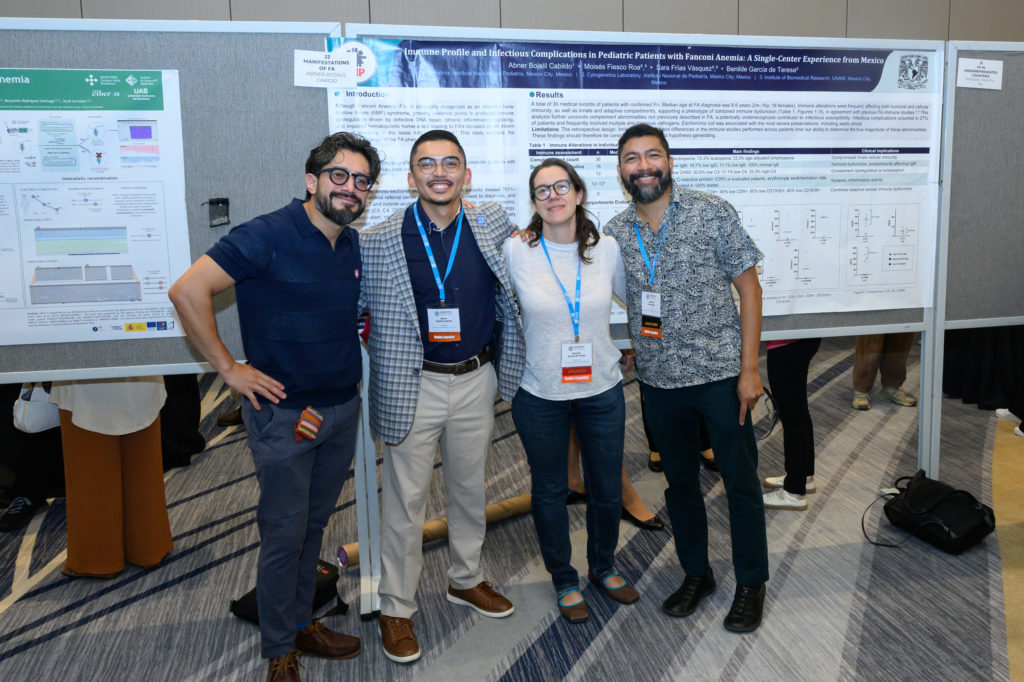
How can we prevent cancer in people with FA? How can treatments become safer? At the 2026 FA Scientific Symposium in Phoenix, researchers shared progress toward answering these questions, alongside work to protect blood-forming cells and better understand the broader effects of FA. Some approaches are entering clinical studies. Others are helping researchers decide which ideas deserve further testing.

More than four decades ago, Lynn Frohnmayer was a mother searching for answers after learning that three of her five children had Fanconi anemia. There was no roadmap and no established network of families or experts. Information was scarce, treatments were limited, and the future her family had been given was devastating.