

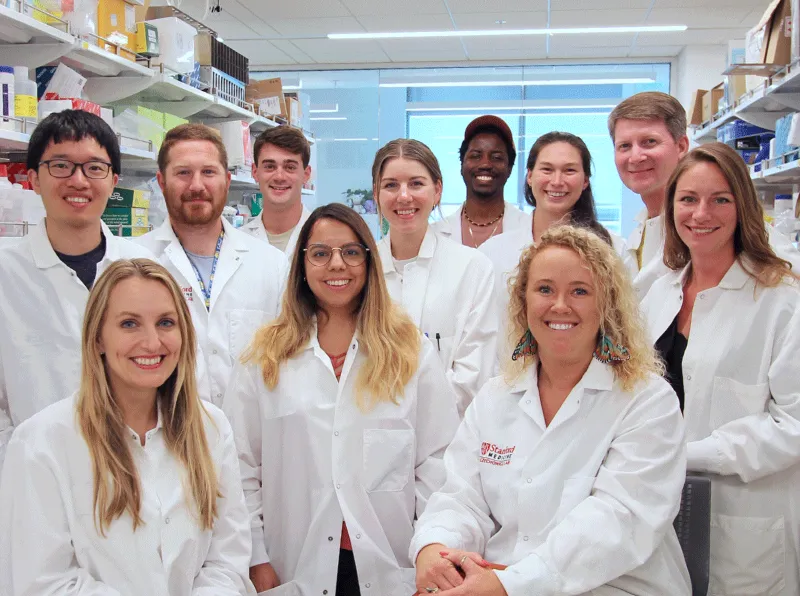
Czechowicz lab at Stanford Promising research needs continued support to answer the next question. A laboratory finding may need testing in more models. A screening study may need years of follow-up. An approach ready for a clinical study needs the...
Directory

George Q. Daley
Dean of the Faculty of Medicine | MD, PhD | Boston, USA
George Q. Daley, Dean of the Faculty of Medicine and the Caroline Shields Walker Professor of Medicine at Harvard Medical School, is an internationally recognized leader in stem cell science and cancer biology.
Daley’s research focuses on the use of mouse and human disease models to identify mechanisms that underlie blood disorders and cancer. His lab aims to define fundamental principles of how stem cells contribute to tissue regeneration and repair and improve drug and transplantation therapies for patients with malignant and genetic bone marrow disease.
Beyond his research, Daley has been a principal figure in developing international guidelines for conducting stem cell research and for the clinical translation of stem cells, particularly through his work with the International Society for Stem Cell Research, for which he has served in several leadership positions, including president (2007-08). He has also testified before Congress and spoken in forums worldwide on the scientific and ethical dimensions of stem cell research and its promise in treating disease.
The Daley laboratory seeks a better understanding of the biology, pathology, and clinical utility of hematopoietic and pluripotent stem cells and of the role of various tissue stem cells in development and disease. They focus studies on murine and human blood development and on common mechanisms of stem cell biology and cancer. Their goals are to define fundamental principles of how stem cells contribute to tissue regeneration and repair and to improve drug and transplantation therapies for patients with malignant and genetic bone marrow disease.
FA Research Projects
The Latest
News & Events
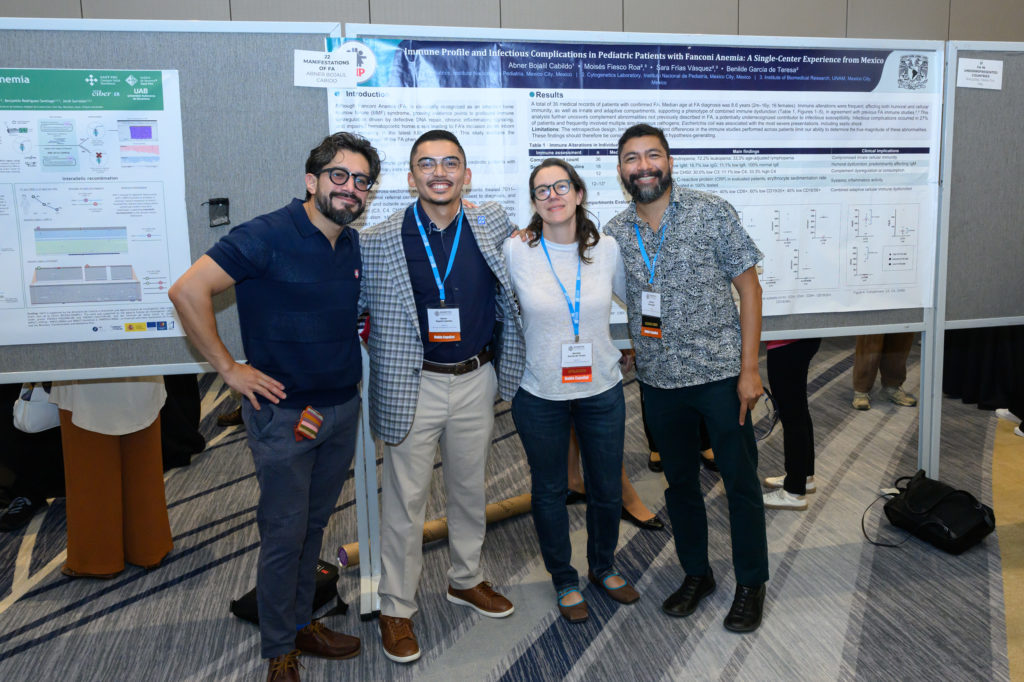
How can we prevent cancer in people with FA? How can treatments become safer? At the 2026 FA Scientific Symposium in Phoenix, researchers shared progress toward answering these questions, alongside work to protect blood-forming cells and better understand the broader effects of FA. Some approaches are entering clinical studies. Others are helping researchers decide which ideas deserve further testing.
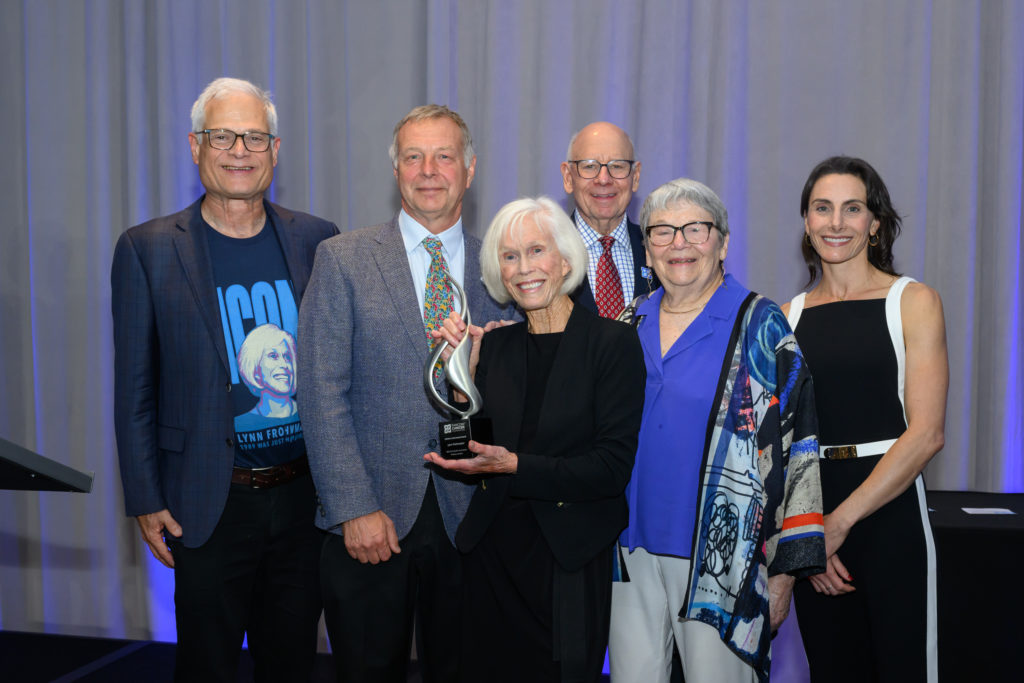
More than four decades ago, Lynn Frohnmayer was a mother searching for answers after learning that three of her five children had Fanconi anemia. There was no roadmap and no established network of families or experts. Information was scarce, treatments were limited, and the future her family had been given was devastating.