News

Building the Evidence for Safer Cancer Care in FA

FCF has committed $631,164 to three projects addressing critical gaps in FA cancer research. The work spans different stages, from exploring oral gene therapy and screening drugs for FA-specific safety to analyzing clinical experiences that could inform future care. These projects are building the knowledge needed to pursue safer cancer options for people with FA.

Read More >

Fanconi Cancer Foundation Expands Cancer Consortium Research with New and Continued Grants

These projects, made possible through the commitment of FCF and our funding partner, Fanconi Canada, advance collaborative research that is improving early detection, guiding cancer prevention strategies, and laying the groundwork for future treatments.

Read More >

Mental Health and Wellbeing for Individuals with FA and Caregivers: Key Insights and Recommendations from Research

At the Fanconi Cancer Foundation (FCF), we understand the critical importance of addressing mental health alongside physical health for individuals with Fanconi anemia (FA) and their family caregivers. Recent research on the mental health challenges faced by adults with FA...

Read More >

Behind the Research with Meng Wang

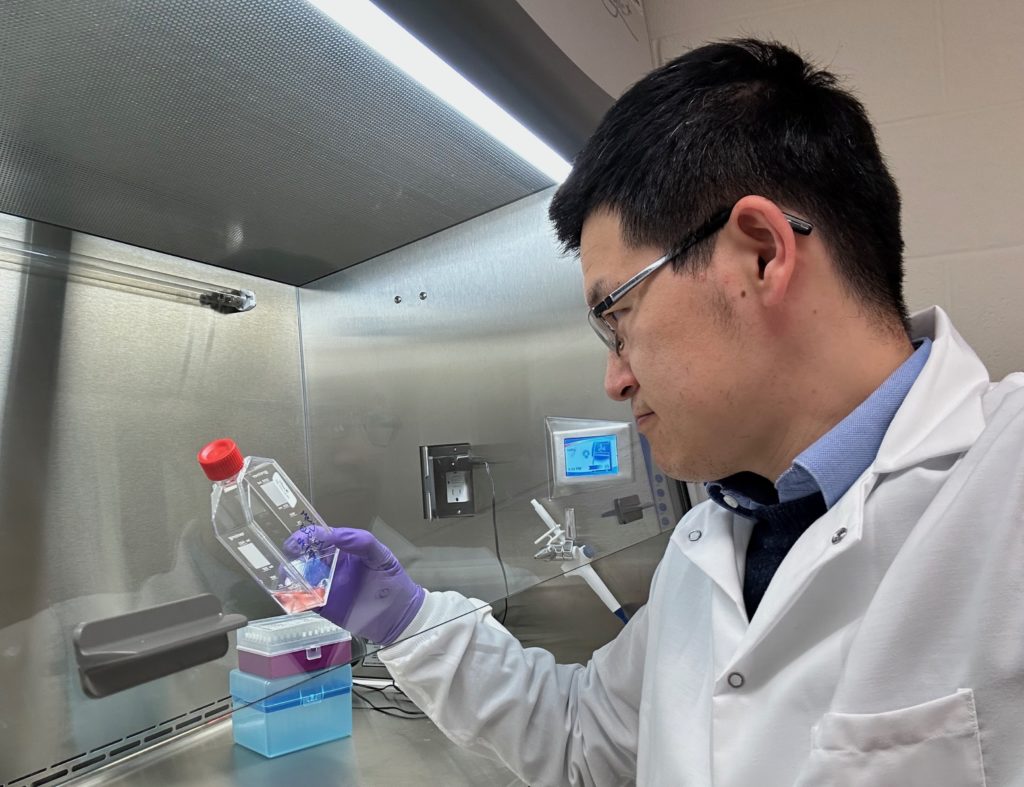
In this edition of our Behind the Research series, we’re excited to introduce Dr. Meng Wang, a physician-scientist at Cornell University whose work is shedding light on a little-known but powerful driver of DNA damage in Fanconi anemia: formaldehyde. Dr....

Read More >

Behind the Research: Benilde García de Teresa

Institution: Laboratorio de Citogenetica, Instituto Nacional de Pediatría, Mexico City, México Area of expertise: Medical genetics, dysmorphology. My work:   I am a medical geneticist from Mexico City, introduced to the field of Fanconi anemia (FA) by my mentor, Dr. Sara Frias, whom...

Read More >

Behind the Research: Andrew Deans

My lab’s vision for the next five years is to apply what we have learned to develop molecules that can alter FA protein behavior. These could be used to treat cancer or alter gene editing outcomes.

Read More >