By Carly Thomas
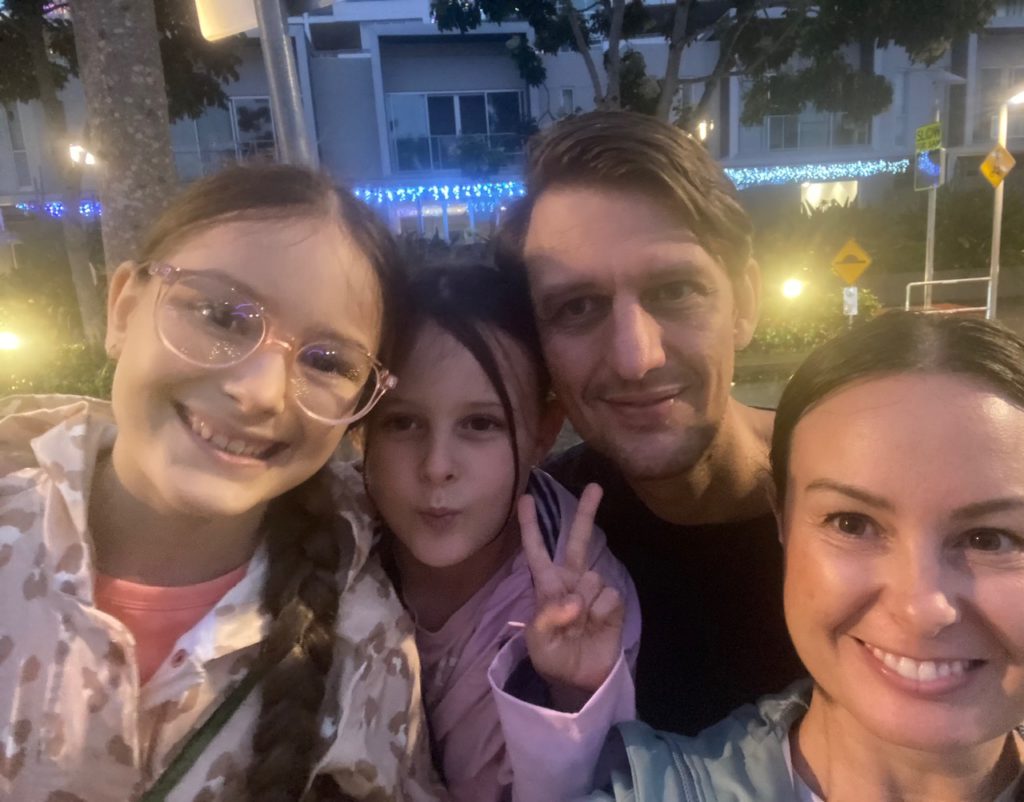
My name is Carly, and I’m sharing our story as the parent of a child with Fanconi anemia (FA). My daughter, Paige, was diagnosed when she was 11 years old. Like many families, we had never heard of FA before it became part of our lives.
Paige’s diagnosis came when she presented at the hospital with bone marrow failure. Everything happened quickly, and suddenly we were trying to understand a rare, lifelong condition while also making decisions no family ever expects to face. It was overwhelming, frightening, and isolating.
In May 2015, Paige received a bone marrow transplant. Her sibling wasn’t a match, so we were incredibly grateful to learn that a donor overseas was. Finding that match was a defining moment for our family. It brought hope during a time when we were holding our breath, waiting for answers. At the same time, we had to have our other daughter tested, and the months of waiting to learn whether she might also have FA were some of the hardest we’ve lived through.
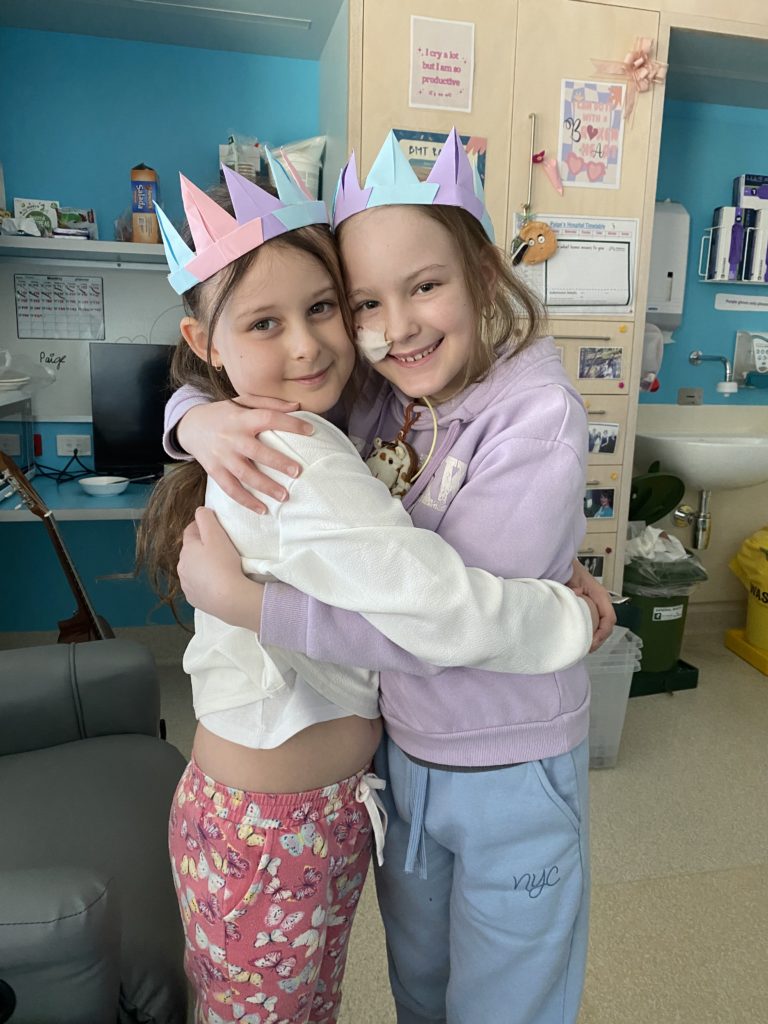
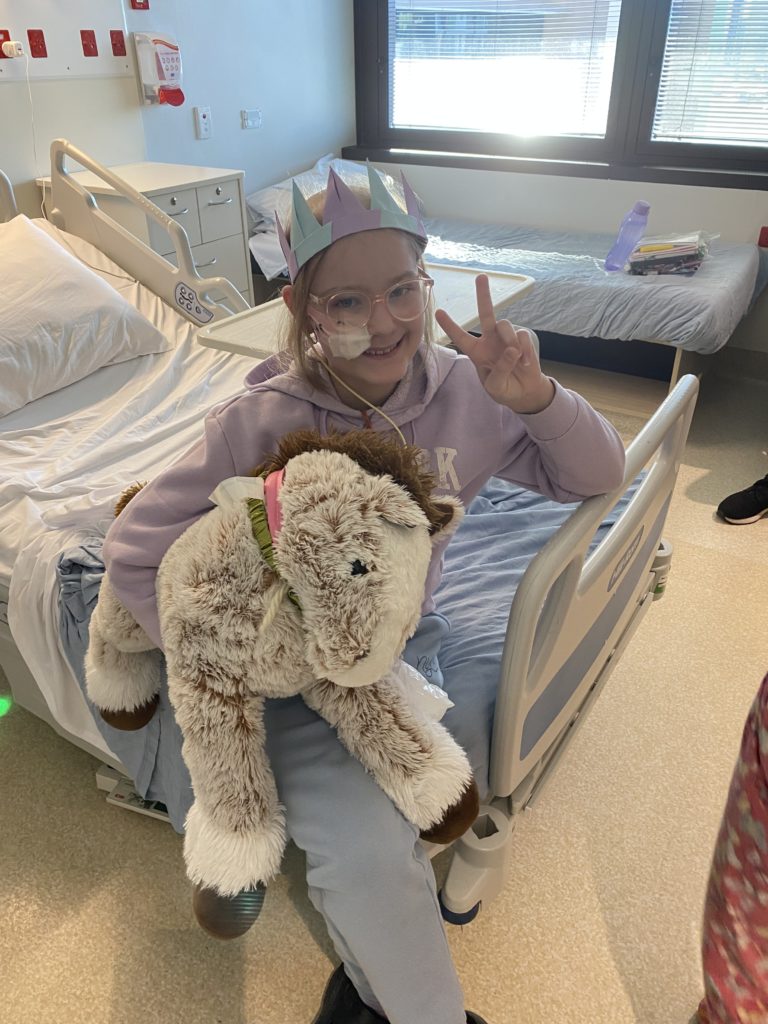
Daily life since then has been shaped by recovery and care. Paige is still recovering from her transplant, and supporting her through long periods of isolation and ongoing medical procedures has been challenging for our whole family. Living with FA means being constantly mindful. It’s a lifelong condition, and Paige will need to live a very healthy lifestyle to protect her health as much as possible.
One thing I wish more people understood about Fanconi anemia is exactly that: it doesn’t end with a single treatment or milestone. It’s something she will carry with her throughout her life, even as she grows, dreams, and plans for the future.
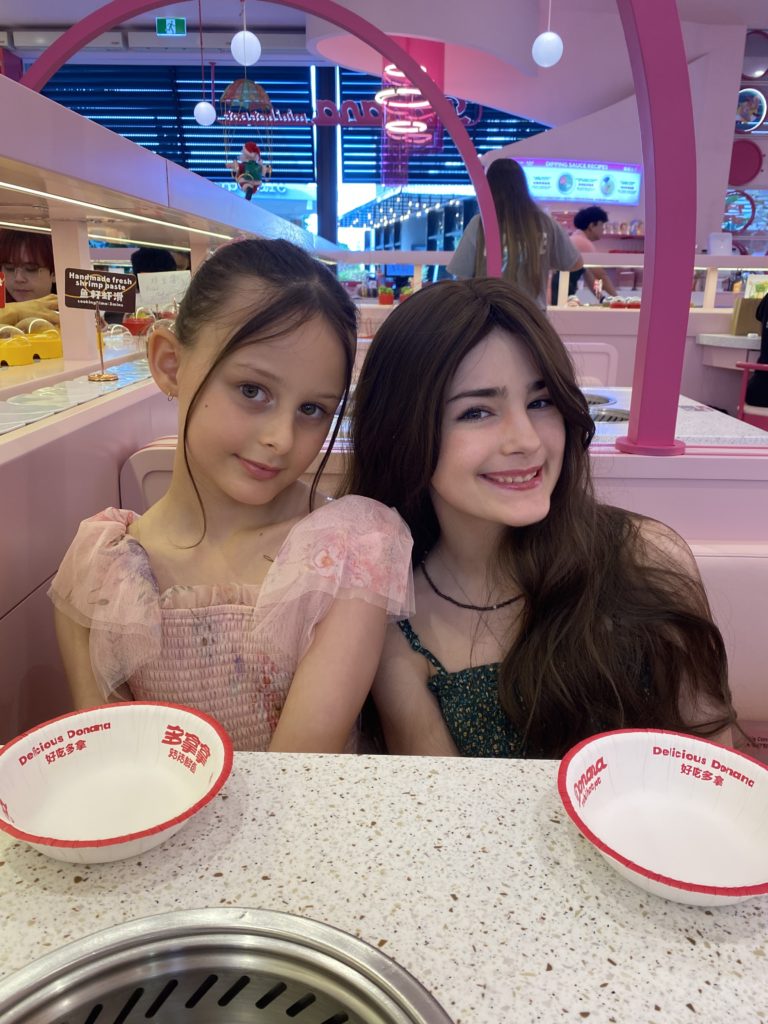
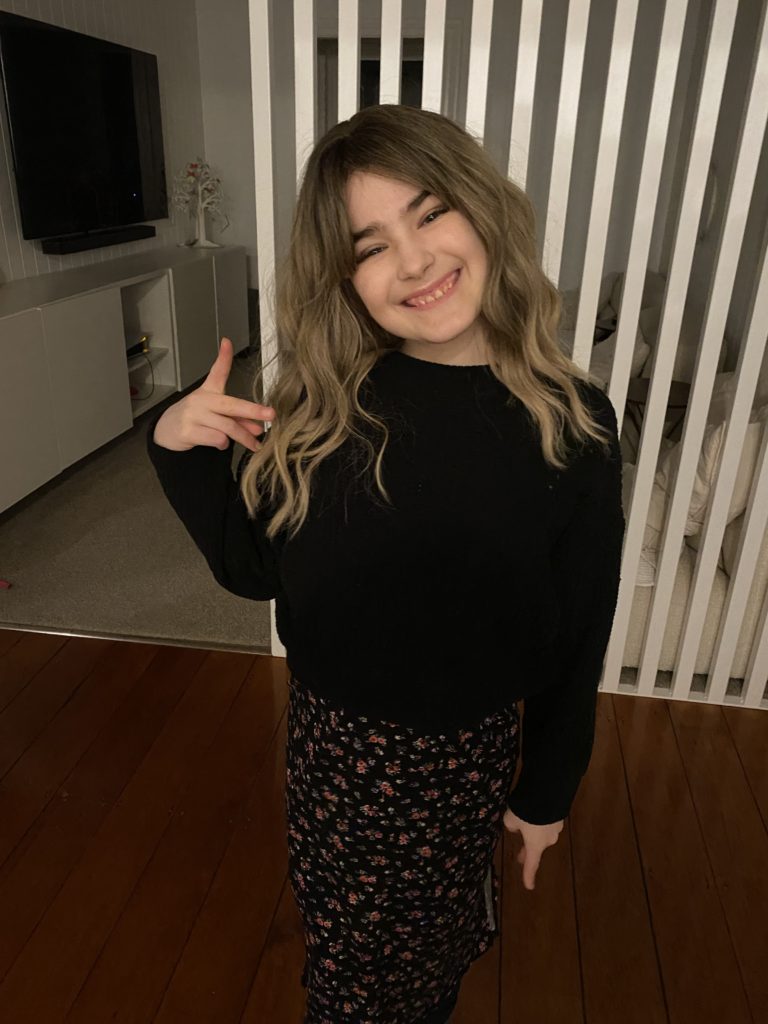
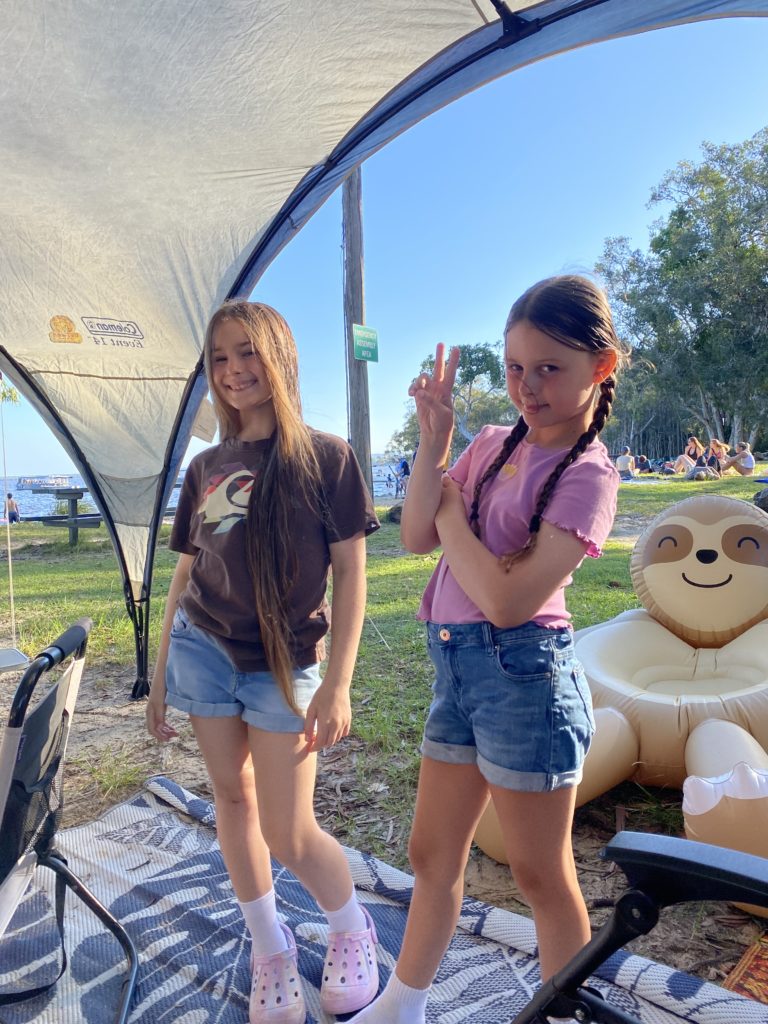
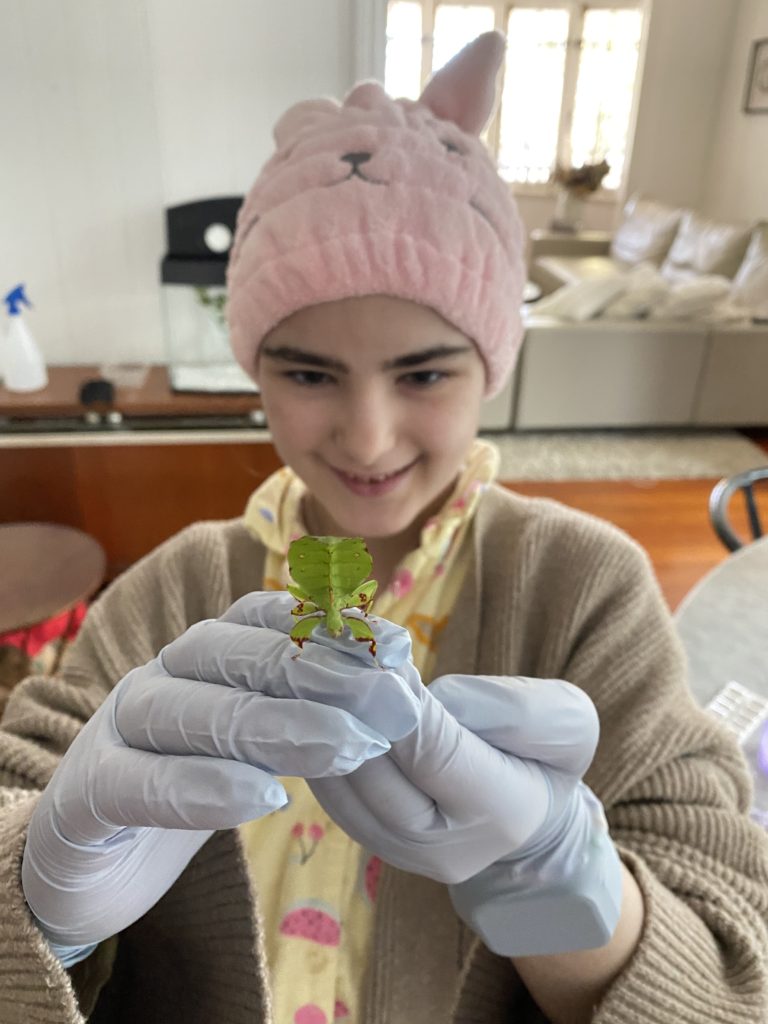
Paige is so much more than FA. She has a deep love of bugs and spiders and dreams of becoming an entomologist or arachnologist one day. She was also passionate about gymnastics and loved being active, until treatment made it no longer possible. Seeing her adapt and keep her curiosity and joy, even when so much was taken away, has been both heartbreaking and inspiring.
What I hope for most is a cure. And until then, I hope for Paige and others with FA to live lives as close to normal as possible, filled with opportunity, independence, and happiness.
To the donors who make research possible, thank you. Truly. Your support means hope for families like ours, and it reminds us that we’re not facing this journey alone.