

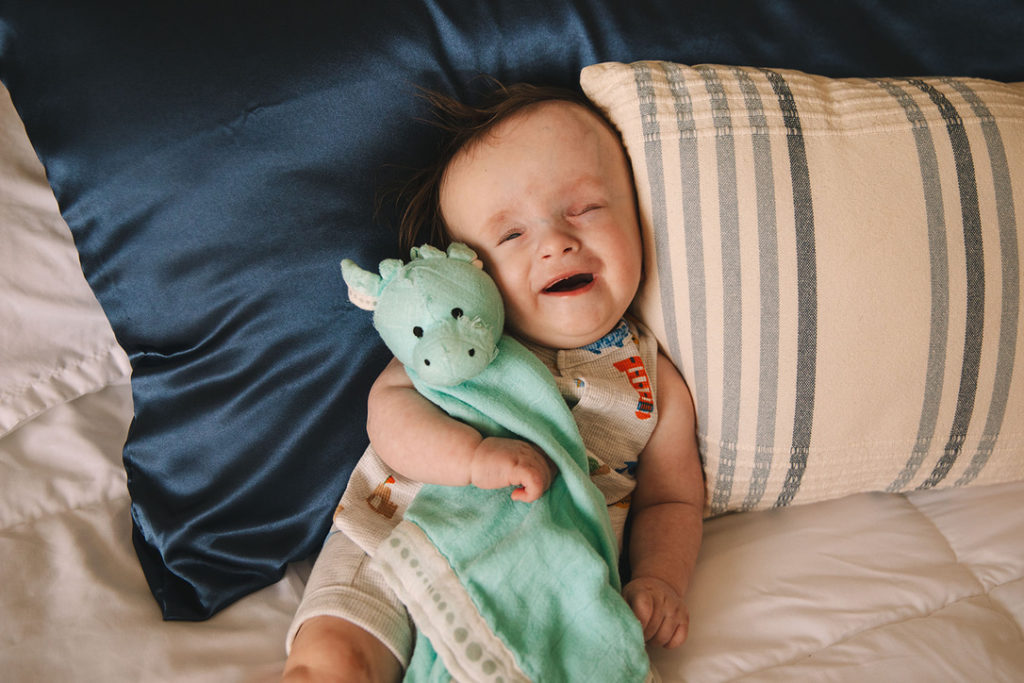
Ford loved his Mama and Daddy. He lit up anytime his Grandma, Grandpa or hospice nurse, Molly, came into the room. He loved the color blue, his stuffed animal giraffe and his puppy dog brother, Boats. He had the craziest, cutest, fluffiest hair and almost always had a binky in his mouth. When he didn’t, he was sticking out his tongue or smiling with his whole face. His nursery is decorated with moons, planets and stars. He was always bigger than the whole sky.
Events
FA Connect | Navigating Living Losses: Understanding, Acknowledging, and Managing Change
Join Lori Krause for a workshop designed to explore and process “living losses”—non-death-related losses that arise from life transitions, changes, or unmet expectations. Examples of living losses include the loss of identity, health, relationships, careers, or abilities. Participants will gain tools to acknowledge these losses, better understand their emotional impact, and develop strategies to navigate the associated changes.
5:00- 6:30 pm Pacific Time
Spanish interpretation services are available upon request when registering for the session. Please note that while we will do our best to provide interpretation, we cannot guarantee their availability.
FA Connect | Navigating Living Losses: Understanding, Acknowledging, and Managing Change
The Latest
News & Events
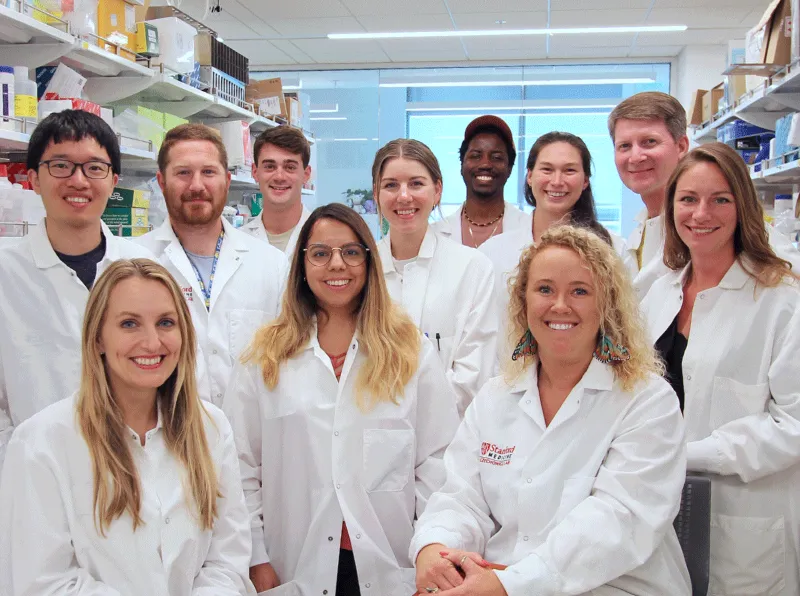
Czechowicz lab at Stanford Promising research needs continued support to answer the next question. A laboratory finding may need testing in more models. A screening study may need years of follow-up. An approach ready for a clinical study needs the...
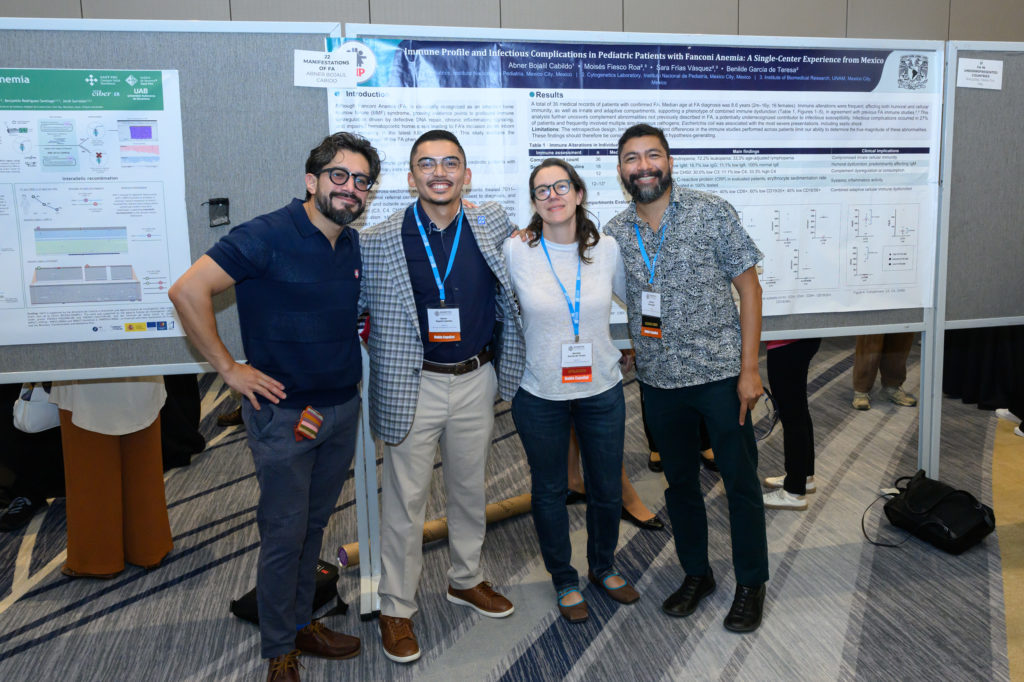
How can we prevent cancer in people with FA? How can treatments become safer? At the 2026 FA Scientific Symposium in Phoenix, researchers shared progress toward answering these questions, alongside work to protect blood-forming cells and better understand the broader effects of FA. Some approaches are entering clinical studies. Others are helping researchers decide which ideas deserve further testing.