

A major limitation in FA research is the absence of an animal model that faithfully recapitulates the clinical features of this disease in humans. While mice have the characteristic DNA repair defects, they do not spontaneously develop the progressive anemia or acute leukemia seen in...
Supported Research
-
-
In the past funding period of the OHSU Fanconi Anemia Program Project we succeeded in discovering new drug targets and small molecules for FA therapy. All of these candidates have clinical potential and we are on the threshold of new interventions for this severe disease....
-
Since many FA patients also suffer from diabetes and insulin resistance, the research proposed in this application is designed to determine the function of Fanconi anemia proteins in the endocrine pancreas. This study will analyze the dynamic features of FA protein expression and response to...
-
All living cells form formaldehyde and acetaldehyde through normal metabolism (also from food and alcohol consumption). However, these aldehydes also induce severe DNA damage, which must be tolerated or repaired to prevent diseases. Currently, ~1 billion people in the world have difficulty in detoxifying aldehydes....
-
In an attempt to explain the high frequency of head and neck cancers in FA patients we have examined differences in the behaviour and signaling pathways of oral epithelial cells (cells that line the oral cavity) lacking Fanconi gene function. Experimental reduction of expression of...


The Latest
News & Events
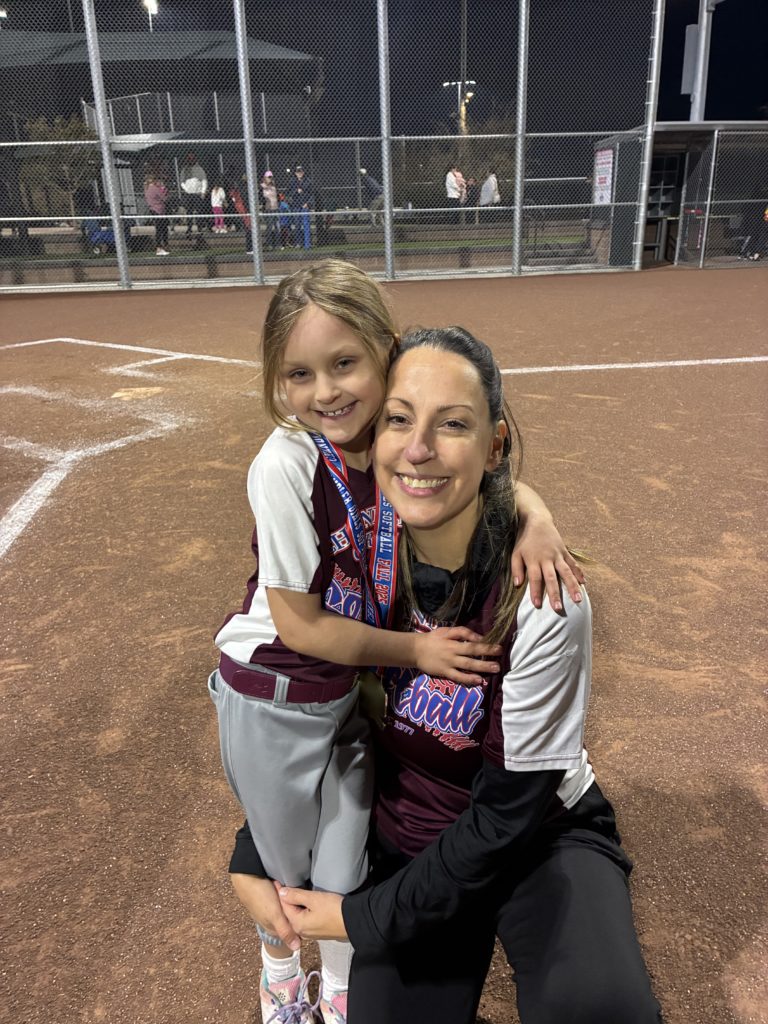
When Ryan was diagnosed with Fanconi anemia (FA) at 18 months old, it was devastating. There were so many unknowns, and trying to gather information online was both frustrating and scary. When we found the Fanconi Cancer Foundation (FCF) and...
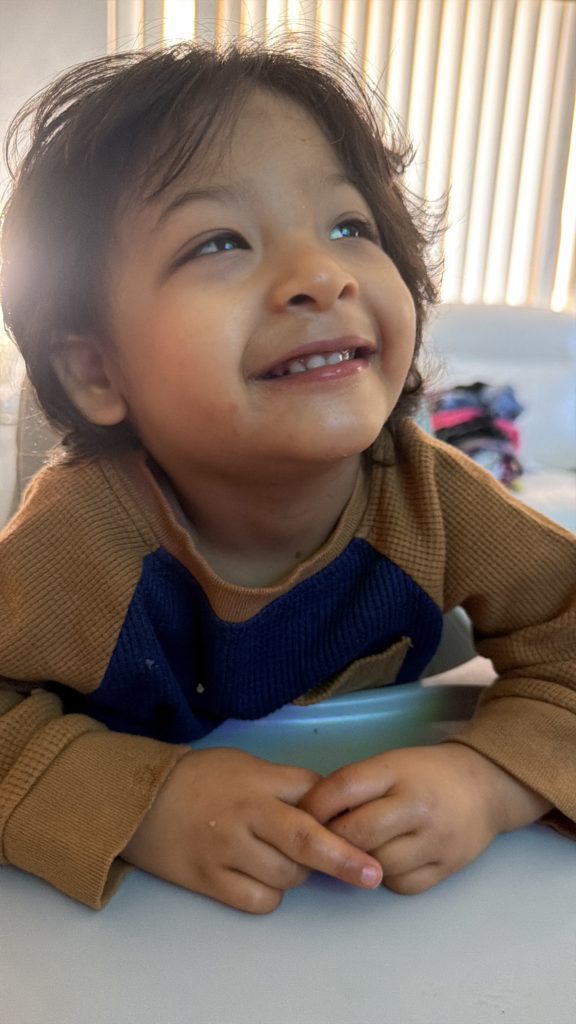
For our family, living with FA means living with faith. We see Liam as a normal, healthy child who continues to grow and surprise us. At the same time, we know there are real challenges.
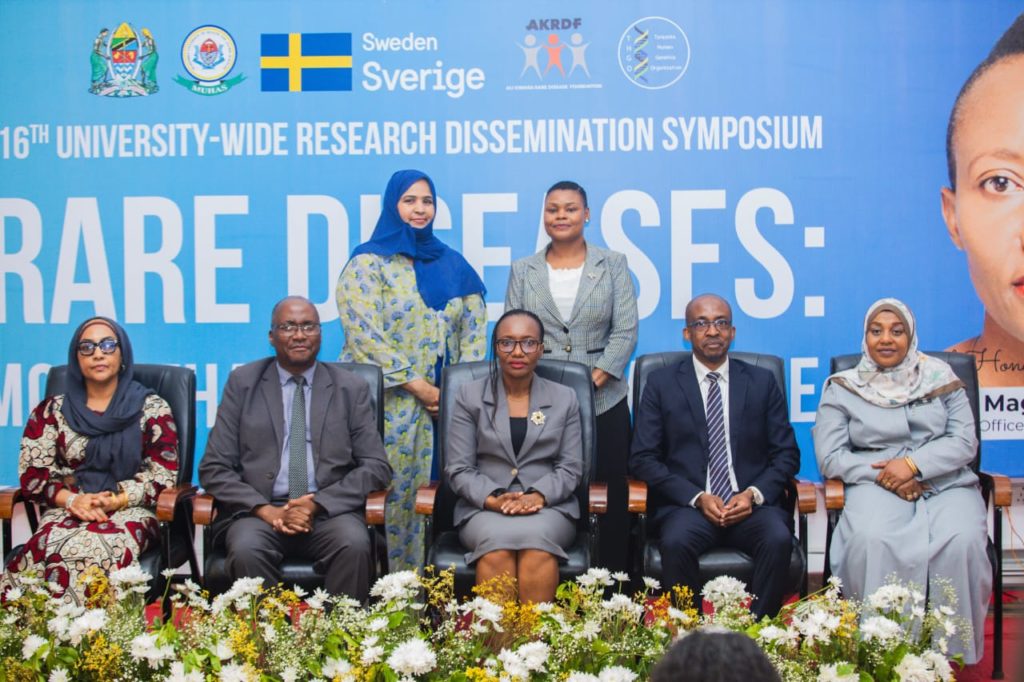
Advocacy efforts play an essential role in building stronger systems of care for rare diseases. By elevating the experiences of families and engaging policymakers, organizations such as the Ivan & Joan Foundation are helping move rare disease awareness and care forward in their communities.