

Dr. Tong recently discovered a novel gene called “LNK” that regulates bone marrow cell survival and growth. She found that loss of LNK in a mouse model of FA restores normal bone marrow functions and increases stem cell longevity. This new grant will allow Dr....
Supported Research
-
-
Fanconi anemia (FA) patients are at high risk of developing head and neck cancer and have limited options for treatment due to their sensitivity to chemotherapy and radiation. We have recently found that FA model mice with mutations in certain aldehyde detoxifying enzymes (ALDH2, ADH5)...
-
Grant description: This project seeks to identify cellular pathways that could be targeted to treat or prevent cancer in FA. The investigators take a novel approach using a high-resolution CRISPR knockout library to screen for fitness genes and FANCA-specific cancer vulnerabilities. They will take advantage...
-
A major limitation in FA research is the absence of an animal model that faithfully recapitulates the clinical features of this disease in humans. While mice have the characteristic DNA repair defects, they do not spontaneously develop the progressive anemia or acute leukemia seen in...
-
In the past funding period of the OHSU Fanconi Anemia Program Project we succeeded in discovering new drug targets and small molecules for FA therapy. All of these candidates have clinical potential and we are on the threshold of new interventions for this severe disease....
-
Since many FA patients also suffer from diabetes and insulin resistance, the research proposed in this application is designed to determine the function of Fanconi anemia proteins in the endocrine pancreas. This study will analyze the dynamic features of FA protein expression and response to...
-
All living cells form formaldehyde and acetaldehyde through normal metabolism (also from food and alcohol consumption). However, these aldehydes also induce severe DNA damage, which must be tolerated or repaired to prevent diseases. Currently, ~1 billion people in the world have difficulty in detoxifying aldehydes....
-
In an attempt to explain the high frequency of head and neck cancers in FA patients we have examined differences in the behaviour and signaling pathways of oral epithelial cells (cells that line the oral cavity) lacking Fanconi gene function. Experimental reduction of expression of...


The Latest
News & Events
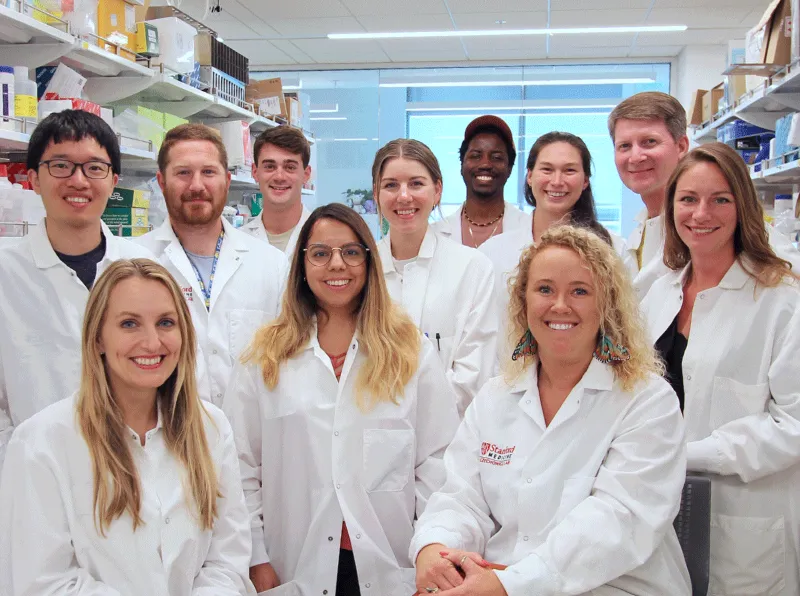
Czechowicz lab at Stanford Promising research needs continued support to answer the next question. A laboratory finding may need testing in more models. A screening study may need years of follow-up. An approach ready for a clinical study needs the...
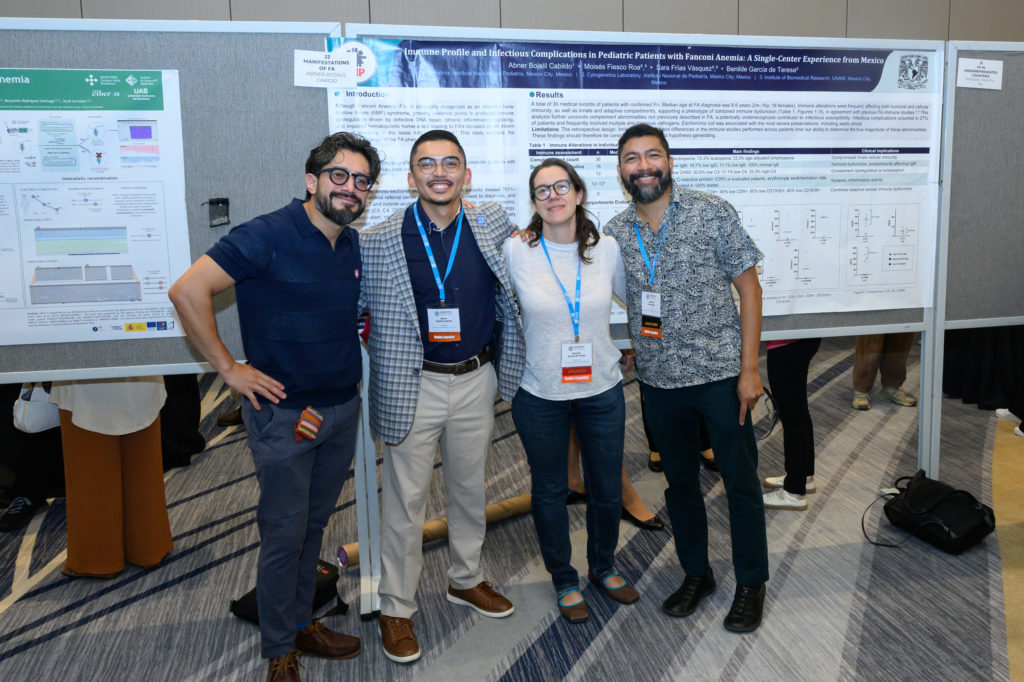
How can we prevent cancer in people with FA? How can treatments become safer? At the 2026 FA Scientific Symposium in Phoenix, researchers shared progress toward answering these questions, alongside work to protect blood-forming cells and better understand the broader effects of FA. Some approaches are entering clinical studies. Others are helping researchers decide which ideas deserve further testing.
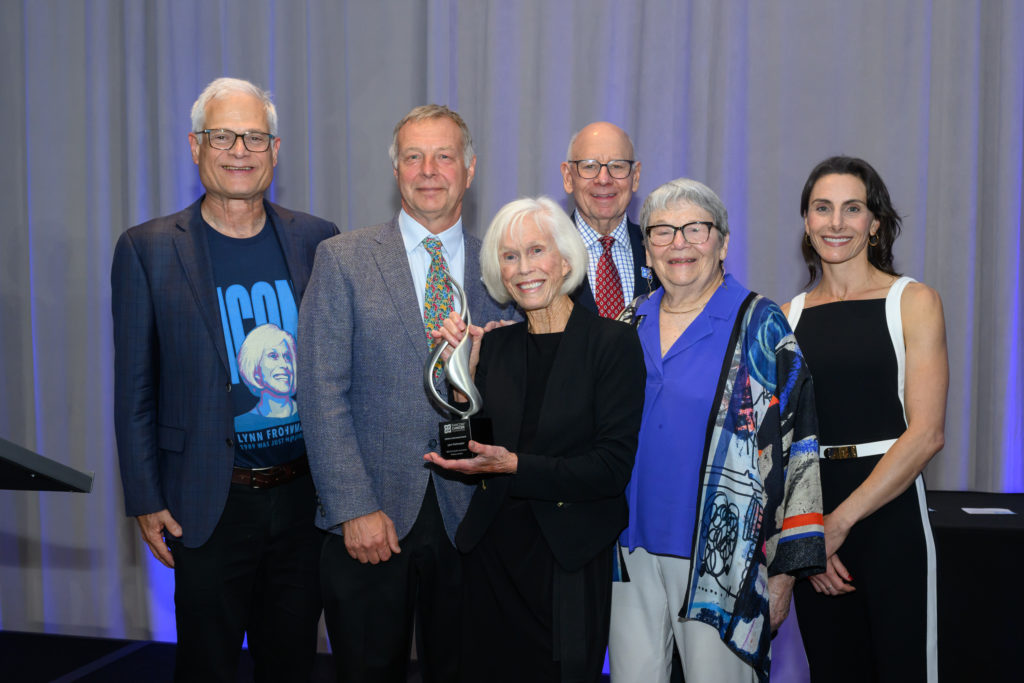
More than four decades ago, Lynn Frohnmayer was a mother searching for answers after learning that three of her five children had Fanconi anemia. There was no roadmap and no established network of families or experts. Information was scarce, treatments were limited, and the future her family had been given was devastating.