

Ford loved his Mama and Daddy. He lit up anytime his Grandma, Grandpa or hospice nurse, Molly, came into the room. He loved the color blue, his stuffed animal giraffe and his puppy dog brother, Boats. He had the craziest, cutest, fluffiest hair and almost always had a binky in his mouth. When he didn’t, he was sticking out his tongue or smiling with his whole face. His nursery is decorated with moons, planets and stars. He was always bigger than the whole sky.
Directory

Zac Dockins
Development Coordinator
Growing up in North Idaho, Zac has worked with cancer-related organizations from a young age. His passion for helping others took root as he began volunteering at hospitals and nonprofits.
Zac earned a BA in Nonprofit Management, Psychology, and Marketing from Boise State University in 2021, followed by an MBA in Strategic Management from the University of North Texas in 2024. Before joining FCF, he gained experience in higher education as well as Dutch Bros Coffee.
In 2025, Zac joined FCF as a Development Coordinator, bringing his strategic thinking and dedication to fundraising and donor relations. With a strong commitment to fostering community engagement and making a meaningful impact, he looks forward to helping those affected by Fanconi anemia. When he’s not working, Zac enjoys crocheting, hiking, traveling, listening to music, and spending quality time with his cat, Maggie!
The Latest
News & Events

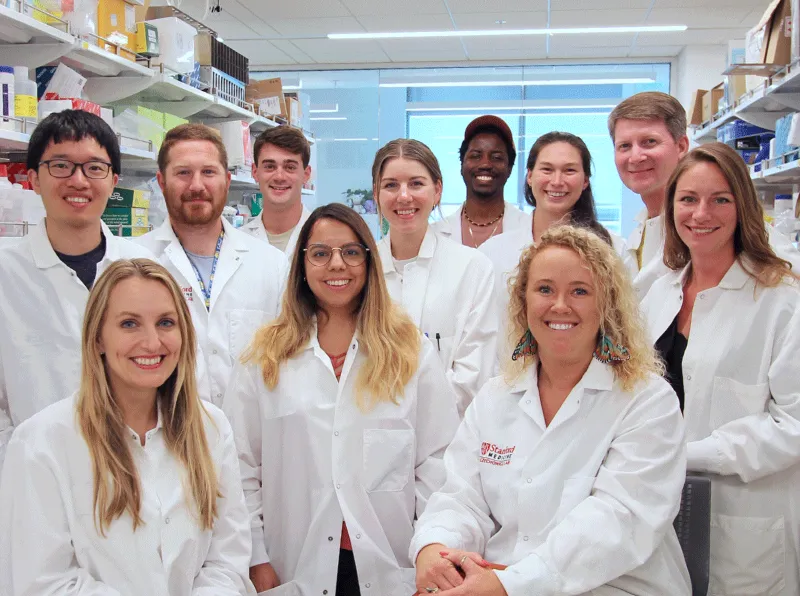
Czechowicz lab at Stanford Promising research needs continued support to answer the next question. A laboratory finding may need testing in more models. A screening study may need years of follow-up. An approach ready for a clinical study needs the...
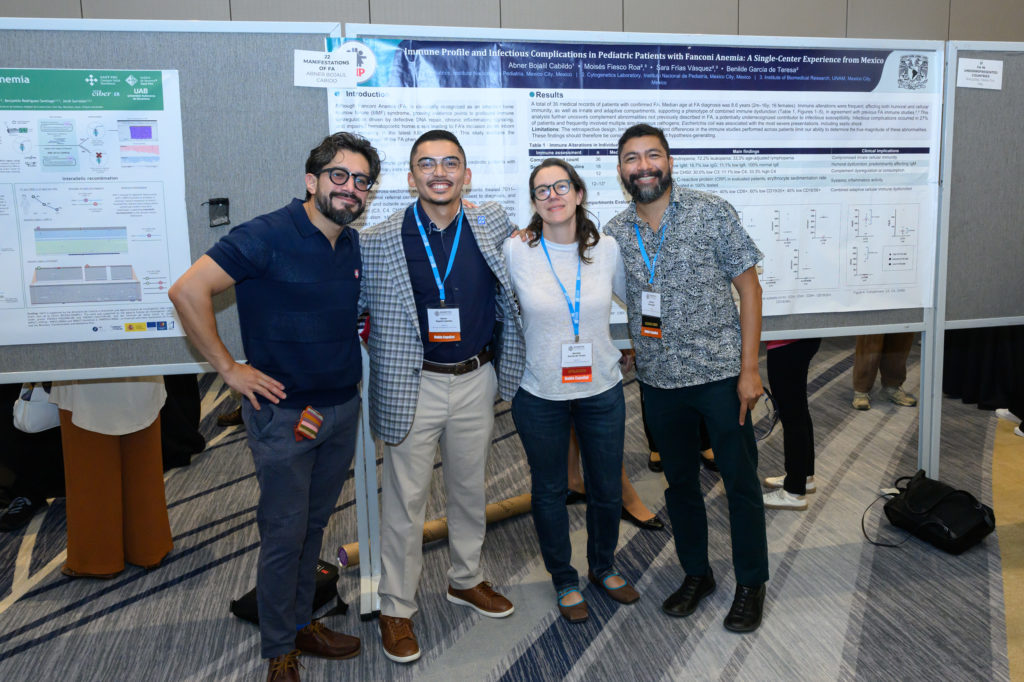
How can we prevent cancer in people with FA? How can treatments become safer? At the 2026 FA Scientific Symposium in Phoenix, researchers shared progress toward answering these questions, alongside work to protect blood-forming cells and better understand the broader effects of FA. Some approaches are entering clinical studies. Others are helping researchers decide which ideas deserve further testing.