By Katelyn Neely
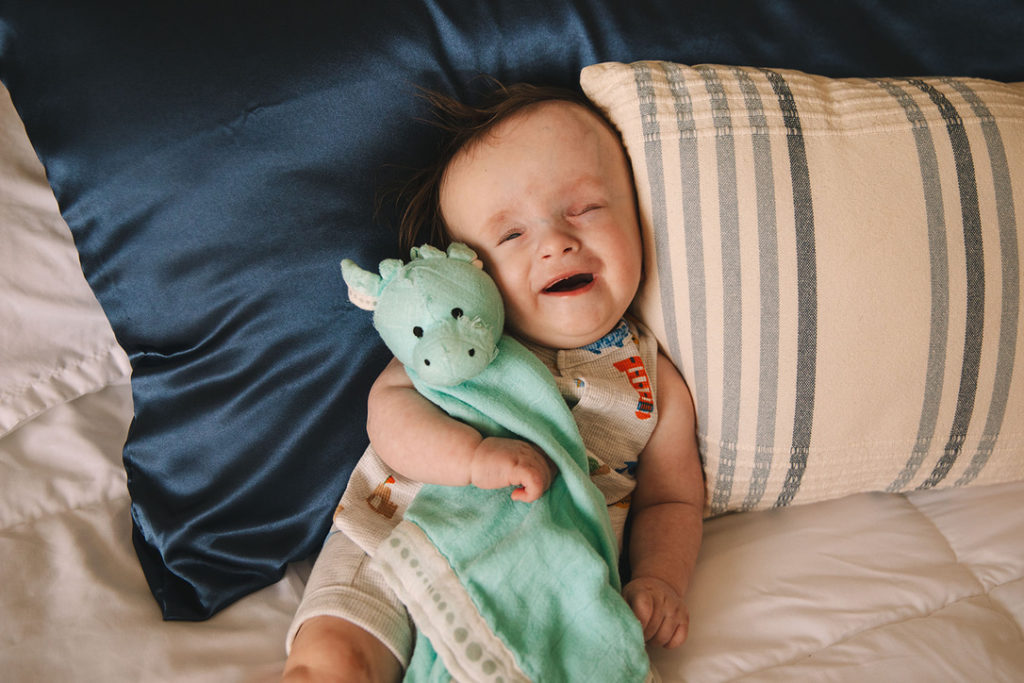
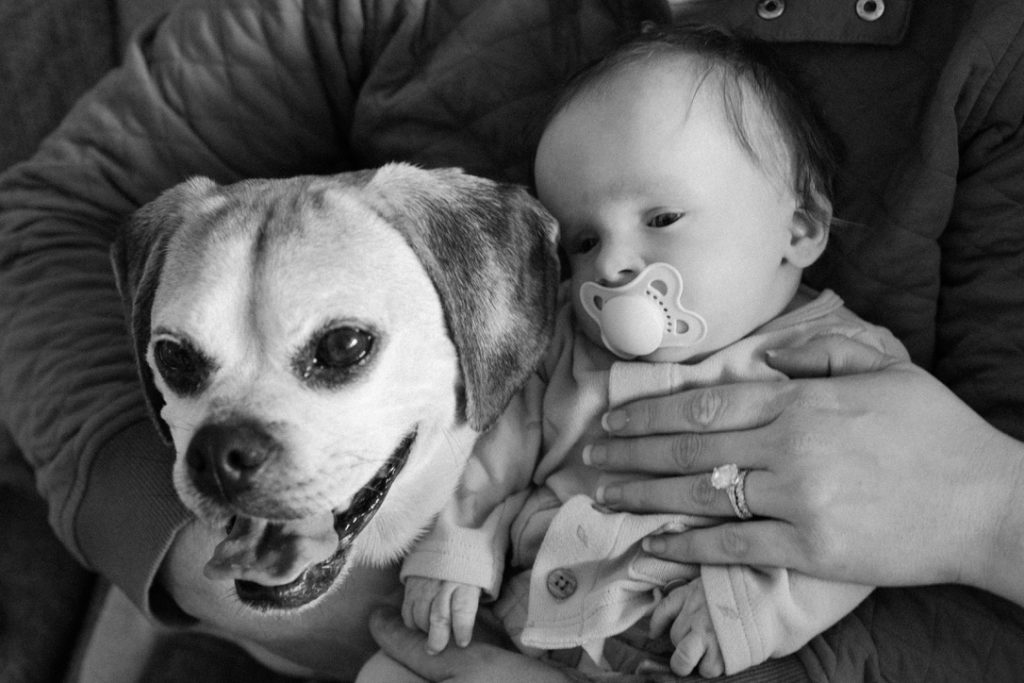
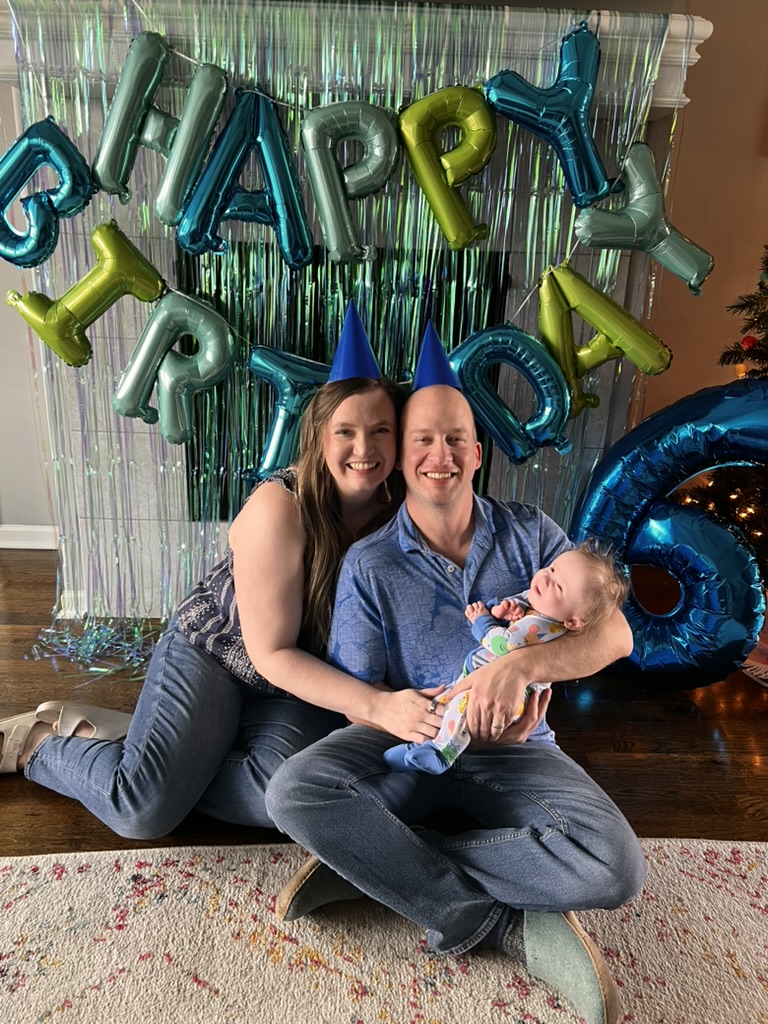
Ford loved his Mama and Daddy. He lit up anytime his Grandma, Grandpa or hospice nurse, Molly, came into the room. He loved the color blue, his stuffed animal giraffe and his puppy dog brother, Boats.
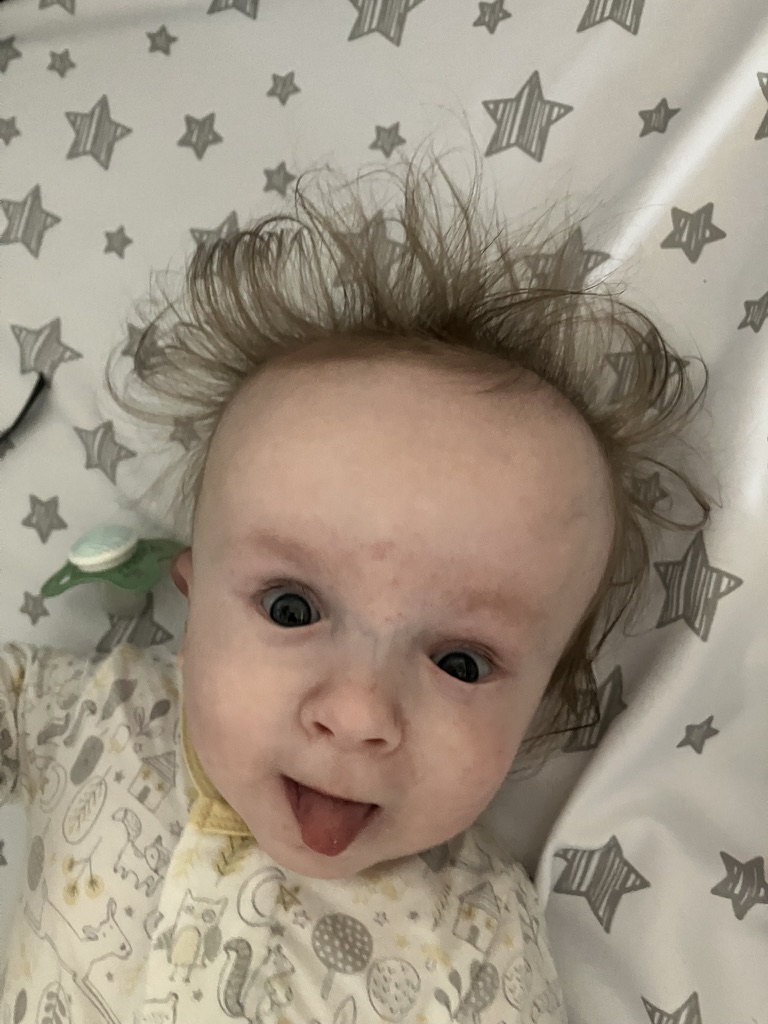
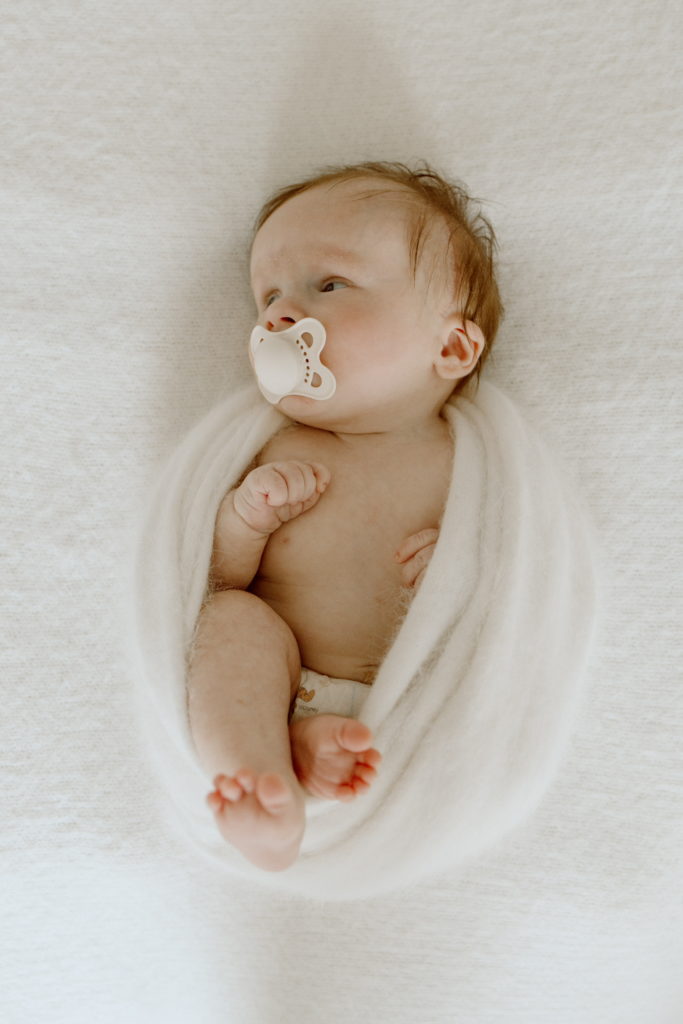
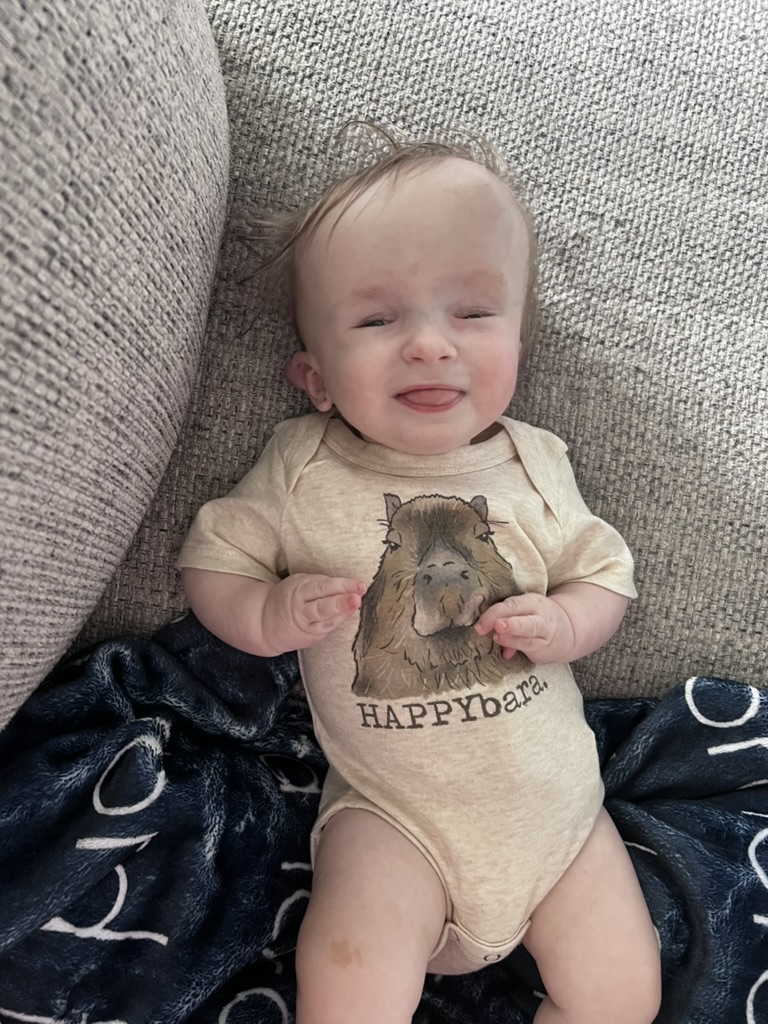
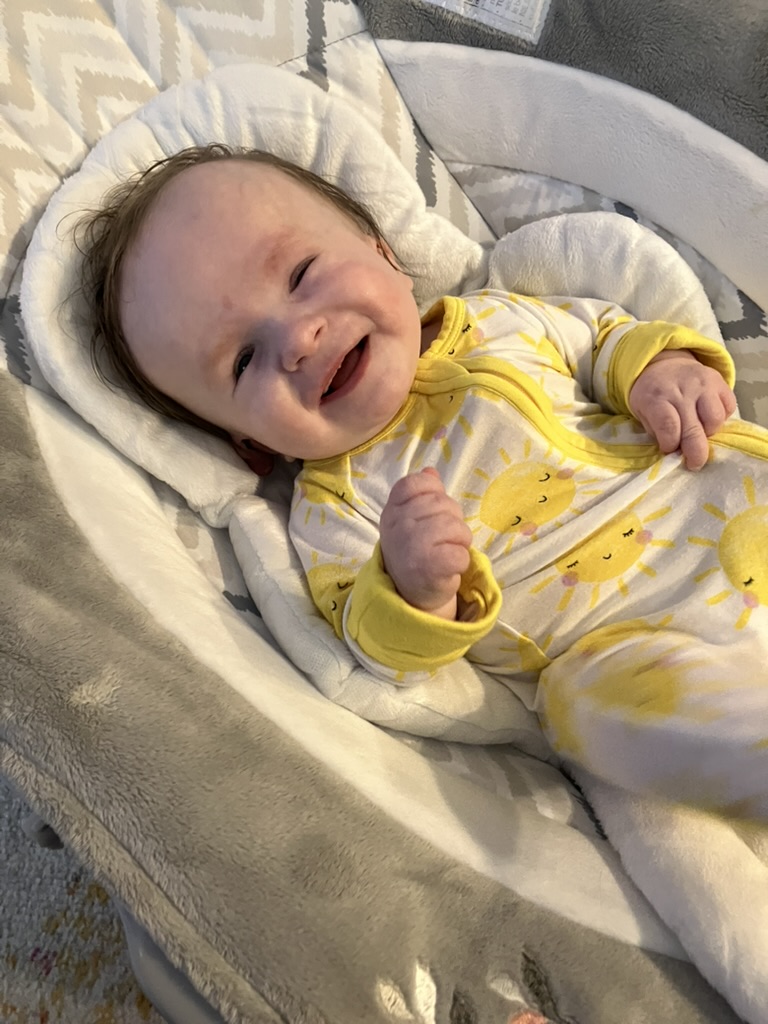
He had the craziest, cutest, fluffiest hair and almost always had a binky in his mouth. When he didn’t, he was sticking out his tongue or smiling with his whole face.
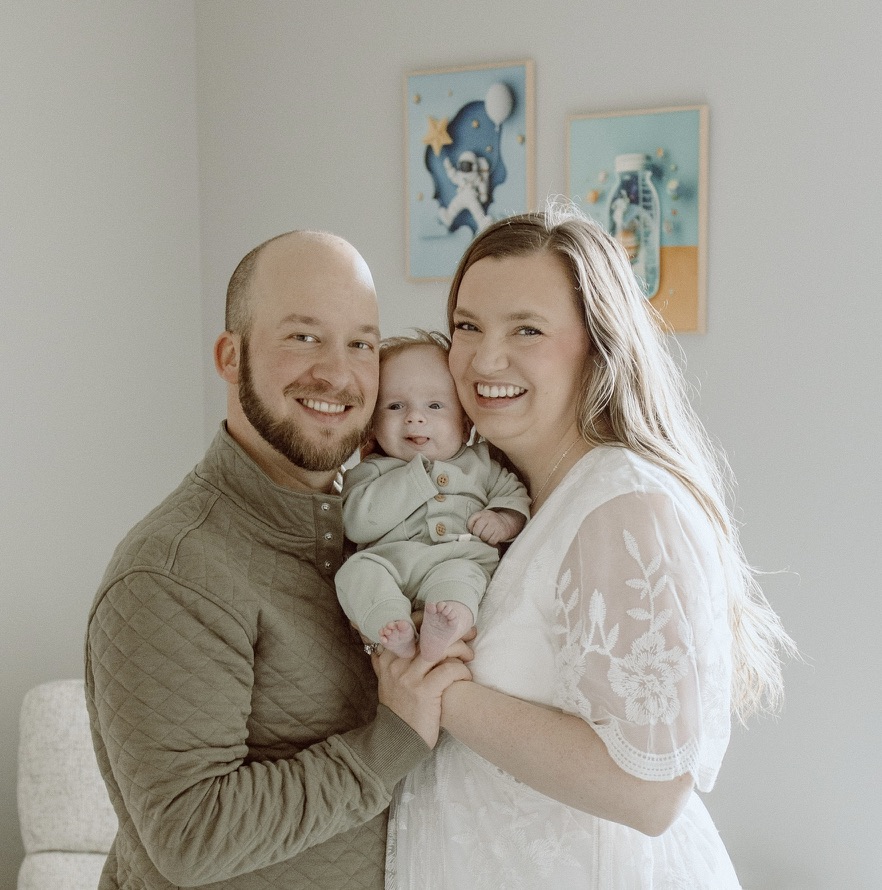
His nursery is decorated with moons, planets and stars. He was always bigger than the whole sky.
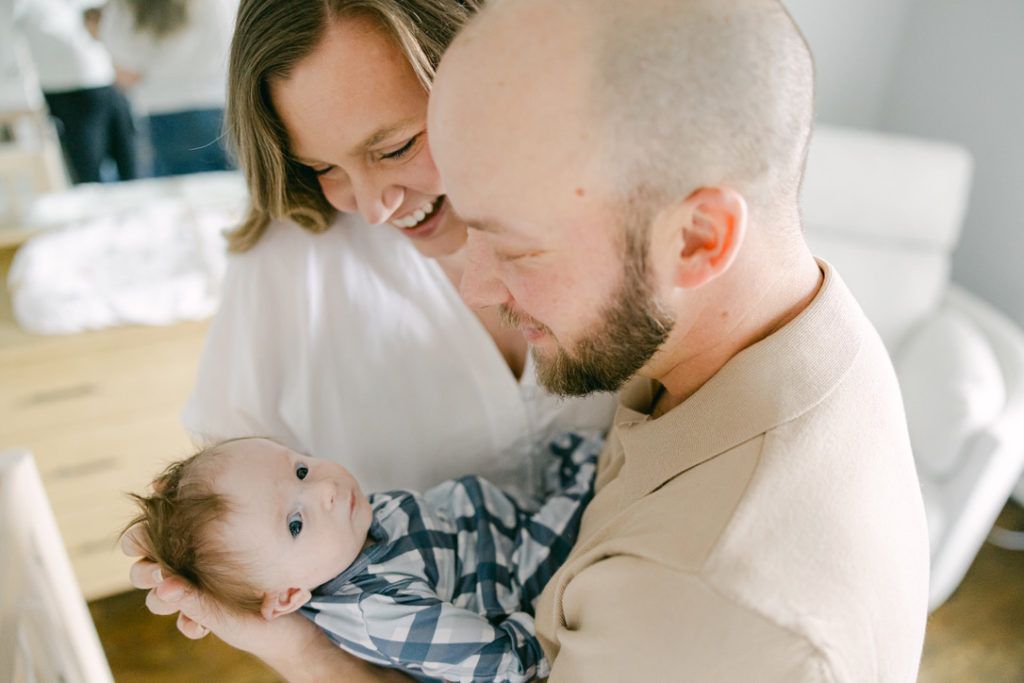
Before Ford, my husband and I experienced four miscarriages. Our journey to becoming his parents was filled with uncertainty, and when we finally got to meet him, we had no idea how much more there would be to understand.
Our journey to a diagnosis
Because of the recurrent loss, we did preconception expanded carrier screening. I was tested for 421 diseases, including six types of Fanconi anemia. Reassuringly, all test results were negative. Given this good news, we continued our journey to try to become parents.
The fifth time must have been the charm, because this pregnancy stuck! We had the perfect pregnancy up until our anatomy scan. At this scan, we learned our baby, Ford, had one kidney and was measuring small. We decided to do additional genetic testing, which again came back negative.
A high-risk pregnancy team followed my pregnancy until I was hospitalized for observation. When I delivered Ford, we quickly learned that he had several congenital abnormalities, most notably an imperforate anus. He was taken to the NICU and was quickly diagnosed with VACTERL. He was in the NICU for 40 days due to his struggle to grow.
We were transferred to the children’s hospital when Ford was 2 months old, and this is where our world fell apart. During a CT scan looking at the anatomy of his jaw and airway, the doctors incidentally found a large cancerous brain tumor.
But that didn’t make sense! He had VACTERL. And VACTERL doesn’t include brain tumors.
When genetics got involved, we learned a new term, Ford’s actual diagnosis: Fanconi anemia. His earlier diagnosis of VACTERL had not given us the full answer.
But he can’t have a genetic disease. I had an expanded carrier screening!
Ford’s type of Fanconi anemia is so rare, the carrier screening didn’t test for it. My husband and I were both carriers, and we had no idea.
Finding the missing piece
The most defining moment in our journey was when the FA diagnosis finally came. We learned why our 2-month-old son had a large cancerous brain tumor. We learned that treatment would likely make him miserable, more sick, and that his body likely would not recover from it.
Finding our son’s FA diagnosis was the missing piece of the puzzle. And it empowered us to make parenting decisions that were best for our son.
After extensive discussion with our pediatric oncologist, genetics and palliative care teams, my husband and I made the impossible decision to bring Ford home on hospice and give him love in our home, rather than a life in the hospital. The pediatric oncologist gave Ford a devastating prognosis of one to two months left to live.
But when Ford came home for good, he did something no one expected. He started to thrive.
In his home, where he was warm and safe and comfortable, and showered in love every second of every day, he lived nine more months.
Ford passed away on Sept. 7, 2026, at 11 months and 16 days old.
What I hope others will know
I wish more people knew the importance of ruling out FA when diagnosing VACTERL. Our own medical team was not aware enough of FA to know how important it is to rule it out. Ford’s symptoms presented so similarly to VACTERL, they didn’t know they should have dug deeper.
I wish more people knew there are different types of FA.
My hope for right now and the future is that more people, including those in the medical community, learn about Fanconi anemia, that there is more money raised for research, and that we can continue to advance medicine for treatment and maybe even someday a cure.
To the donors who make research possible: Your donation directly impacts those with FA and their families. You are making research possible. You are giving us hope. Hope for treatment. Hope for longer lives. Hope for better quality of life. Hope for a cure.
Ford was the light of our lives. We miss him dearly. We are committed to saying his name forever and making sure he is never forgotten.
We love you, Ford. Until we meet again.
Note: “Bigger Than the Whole Sky” is the title of a Taylor Swift song that has become especially meaningful to the pregnancy and baby loss community.