How can we prevent cancer in people with Fanconi anemia? Which changes can help us find it earlier? And how can treatment become safer when someone is diagnosed with cancer?
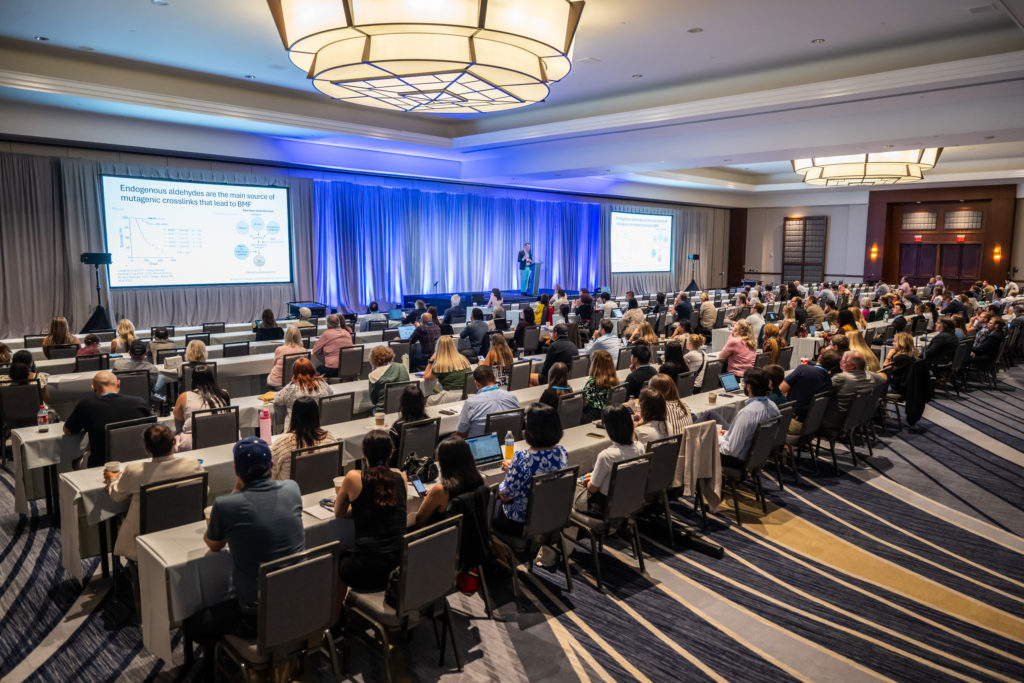
At the 2026 FA Scientific Symposium in Phoenix, researchers shared progress toward answering these questions, alongside work to protect blood-forming cells and better understand the broader effects of FA. Some approaches are entering clinical studies. Others are helping researchers decide which ideas deserve further testing.
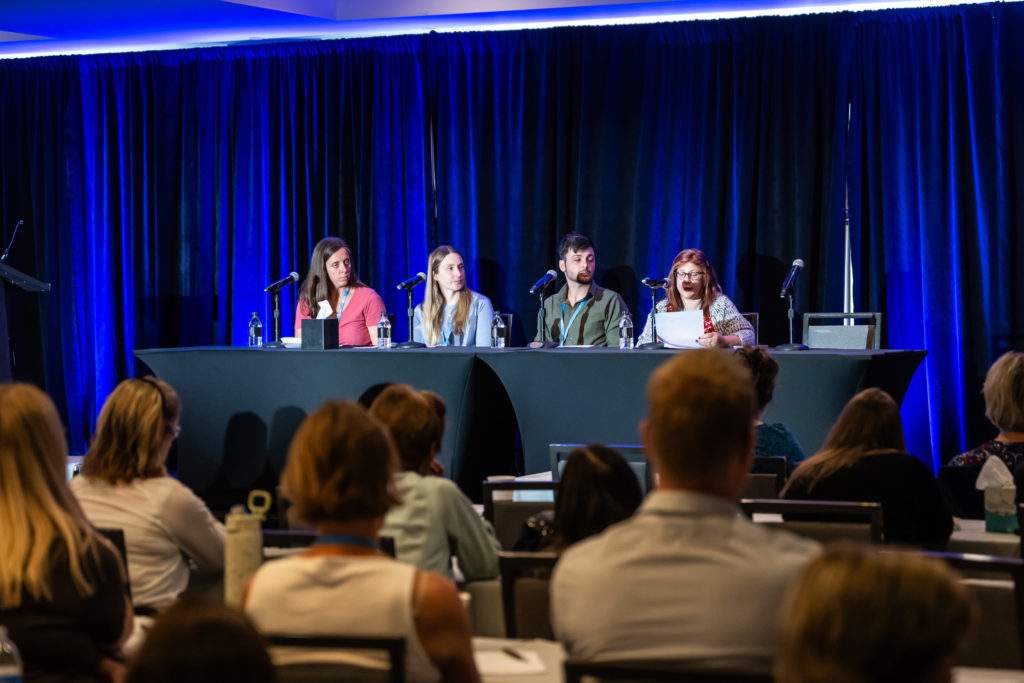
The gathering also brought community experiences into focus. On Oct. 3, FCF held an Externally Led Patient-Focused Drug Development (EL-PFDD) meeting, providing a forum for people with FA, caregivers and bereaved families to share their perspectives. Together, these events underscored the importance of pursuing research that responds to the realities of living with FA.
Community experiences belong in the research conversation
Research can measure changes in cells, tumors and blood counts. Understanding the impact of FA also requires hearing directly from the people affected by it.
The EL-PFDD meeting created a dedicated opportunity to share those experiences and perspectives to help inform future research and treatment development. We’re grateful to everyone who contributed, in person or virtually, and to those who shared deeply personal experiences.
FCF will share reports and meeting recordings in the coming months, providing more opportunities to learn from the discussion.
Cancer prevention is moving into clinical testing
One important step is a study of naproxen and metformin, drugs already approved for use in other conditions. Researchers at The Rockefeller University and the University of Minnesota are leading a clinical trial to assess safety, tolerability and changes in oral tissue, including biological changes that may precede cancer in people with FA. The study is the first step in understanding whether the drugs can eventually be used to prevent cancer.
Other cancer prevention research for FA starts with a different question: Can we reduce some of the DNA damage that occurs inside the body? Researchers at Cornell University and Boston Children’s Hospital are studying aldehydes, naturally occurring byproducts of metabolism that damage DNA. The research teams are conducting laboratory-based experiments to investigate ways to strengthen cells’ defenses or intercept DNA damaging byproducts before they cause harm.
Screening is helping researchers ask better questions
The NIH comprehensive cancer screening program has enrolled more than 100 people with FA. Alongside screening for cancers including head and neck, esophageal, skin, and breast, the program collects biological samples over time that can help researchers investigate potential early warning signs of cancer.
Following people and collecting their samples over time is essential. A biological difference becomes more useful when researchers can determine whether it is associated with changes that actually lead to cancer or other serious health problems.
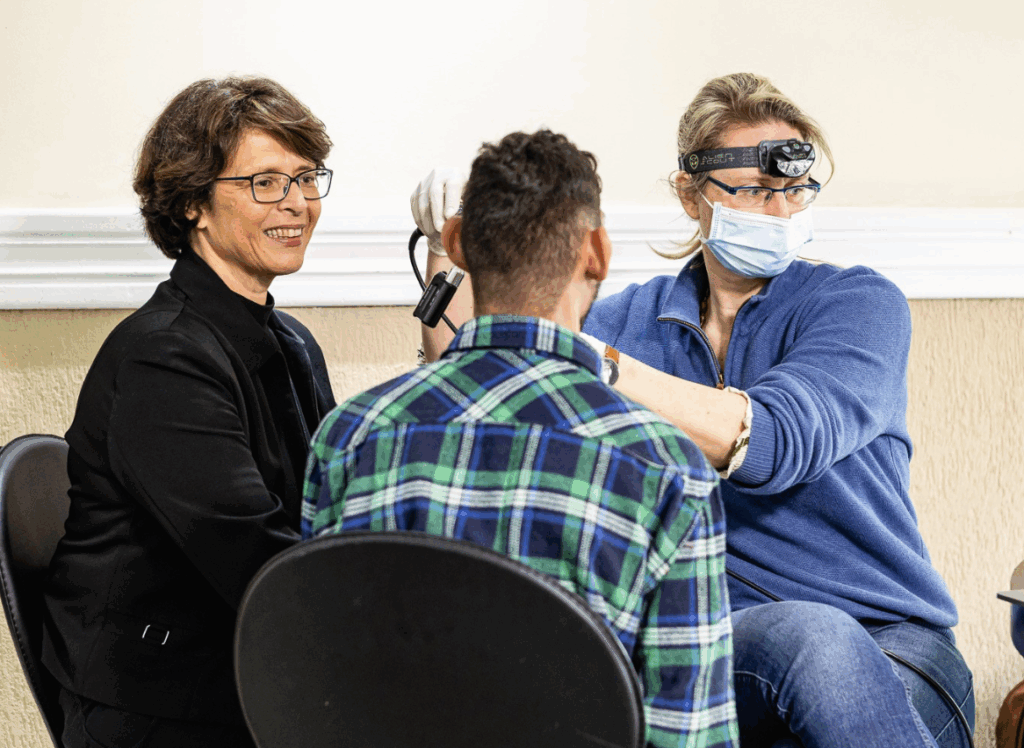
Oral brush sampling of the oral cavity is a crucial early detection technique that is being used in the NIH study. Researchers study whether abnormal amounts of DNA in cells collected with a brush, along with other biological markers, can help identify oral changes that need closer evaluation. The goal is to improve assessment with less burden, while establishing how reliably these tools identify risk.
Lab grown tissue is helping identify treatment candidates
For people with FA, finding a drug that kills cancer cells is only part of the challenge. Researchers also need to understand what that drug does to healthy FA cells.
A research team from Columbia University and Stanford University reported developing lab-grown tissue models, called organoids, that are derived from healthy tissue, precancerous tissue and head and neck cancers from people with FA. The team performed a drug screen using 450 compounds and identified 20 that preferentially killed the cancer cells in the organoid models.
Although these are laboratory results, and more testing is needed before drug candidates can move toward clinical studies, comparing healthy and cancerous FA tissue gives researchers a practical way to investigate the selectivity that safer treatment requires.
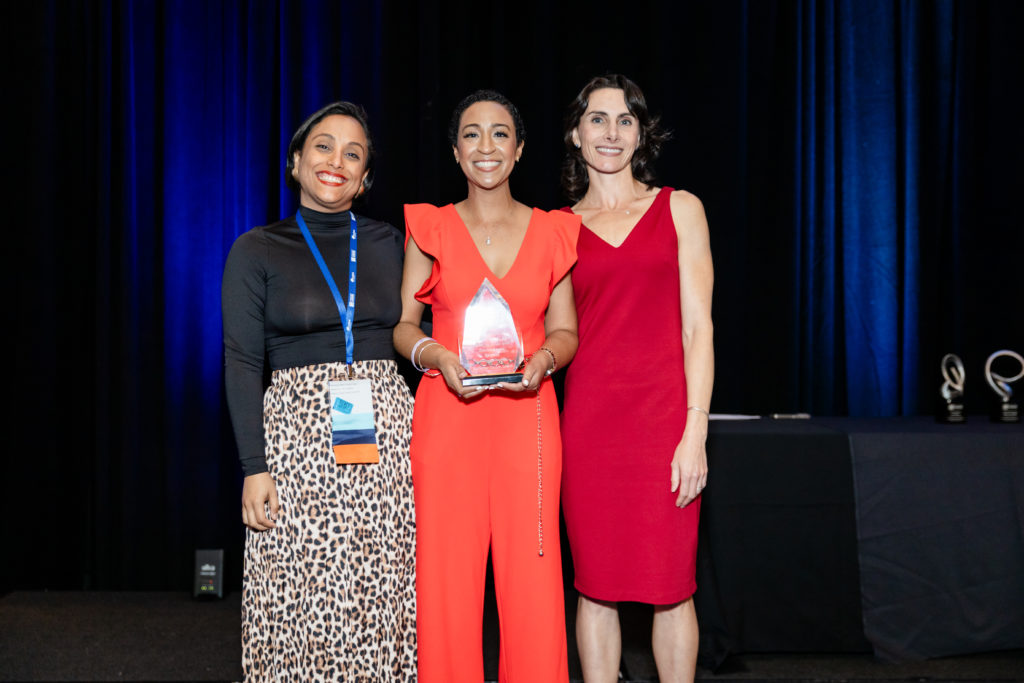
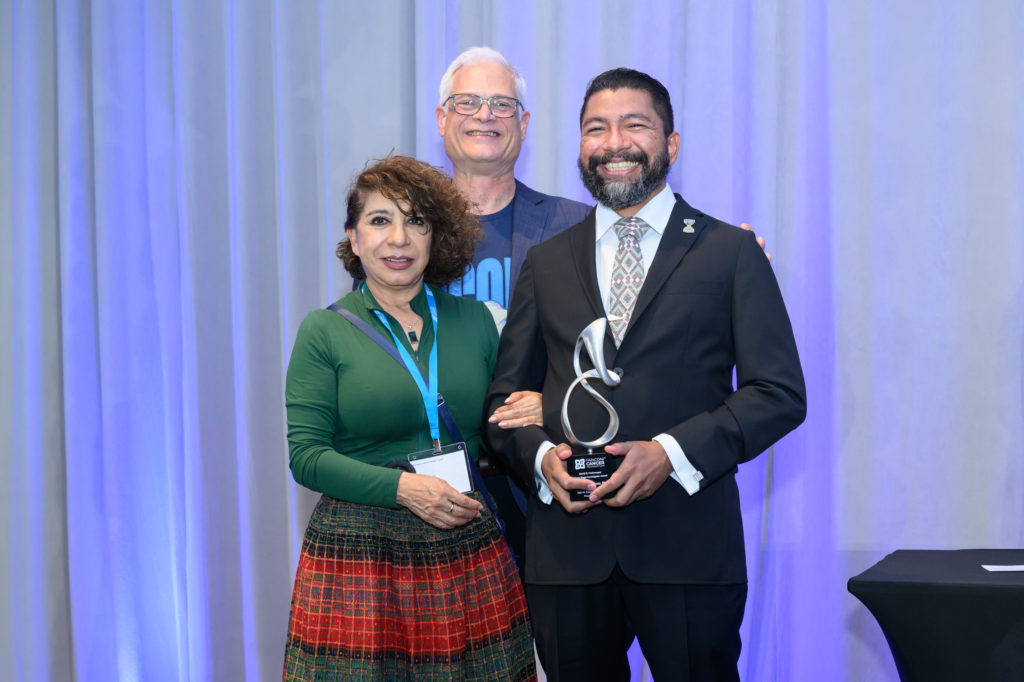
Other work is examining how FA tumors interact with the immune system. Dr. Alfredo Rodríguez, recipient of the 2026 David B. Frohnmayer Early-Stage Investigator Award (pictured below), presented findings on differences in the immune cells within and around FA tumors. Understanding those differences could help guide future approaches to immunotherapy for FA cancer.
New approaches aim to protect blood forming cells
Progress in FA research also includes preclinical efforts to prevent or treat bone marrow failure. Researchers are developing methods to insert a functioning gene into blood-forming cells, with the longer-term goal of enabling correction directly in the body.
Stanford University and the University of California, San Francisco reported on a new clinical project that will study transplantation before birth using blood-forming stem cells from the mother. The researcher team will establish maternal and fetal safety and whether the approach provides lasting benefit.
These strategies address blood and marrow disease. Correcting blood-forming cells does not automatically correct other tissues affected by FA or eliminate the risk of solid tumors. Continued work on cancer prevention and treatment remains essential.
Shared information can help the whole field move forward
With a condition as rare as FA, no single institution can answer every question alone. FRIENDS, a consortium spanning 19 institutions, is developing shared ways to organize clinical information so researchers can study questions across centers.
In 2020, FCF created the FA Virtual Tumor Board (VTB) program to provide expert advice on cancer treatment for individuals with FA. Researchers from the Rockefeller University, working in collaboration with FCF, reported on a funded outcomes study that is examining VTB specialist recommendations, treatments people received, side effects and results. Connecting those pieces can help clinicians assess how the service is working and where evidence is still missing. Learning from the outcomes of the FA VTB will enable future implementation of best practices for treating FA cancer.
Across these efforts, progress depends on people who contribute samples, participate in studies, share their experiences and support the work. Newly approved research grants will help several of these projects take their next steps. Read our companion article for an overview of the nine October awards and the questions they will help researchers answer.
Want to explore the science further?
Read on for more detailed findings and methods from selected symposium presentations.
Additional findings presented at the Symposium explored the mechanisms underlying FA, potential therapeutic targets and new tools for studying disease progression. These selected highlights include investigator-reported results, with further validation needed before clinical application.
DNA repair mechanisms and potential therapeutic vulnerabilities
Alberto Ciccia’s team at Columbia University used Cas12a genetic screens to examine more than 27,000 pairs of DNA damage response genes. The work identified synthetic lethal interactions involving FA genes and GEN1, CIP2A, RHNO1, and the FANCM–SMARCAL1 pair. These interactions occur when two defects together kill a cell, even though either defect alone can be tolerated.
The findings suggest potential targets for treatment discovery. In inherited FA, however, healthy tissues also have DNA repair defects. Establishing whether these dependencies can be targeted selectively in cancer cells will be essential.
Agata Smogorzewska’s team at The Rockefeller University presented mechanistic work showing how FANCI–FANCD2 recruits the XPF and SNM1A nucleases to damaged DNA and how repair enzymes can compensate for one another. These findings clarify the coordination required for DNA crosslink repair and how its disruption can contribute to chromosome instability.
Distinctive immune features in FA tumors
Alfredo Rodríguez’s analysis used imaging and computational methods to map immune cells in 33 squamous cell carcinoma samples from people with and without FA. FA tumors showed distinctive patterns of TIM-3-positive exhausted T cells in the surrounding stroma, alongside suppressive macrophages and regulatory T cells. These patterns differed from the PD-1-associated pattern observed in non-FA samples.
The findings raise questions about whether FA-associated cancers may require immunotherapy approaches tailored to their immune environment. They identify potential research targets but do not yet demonstrate clinical benefit from targeting TIM-3 or related signals.
Two approaches to reducing aldehyde damage
Grant Rowe’s work at Boston Children’s Hospital began with an observation of an adaptive ALDH9A1 variant in blood-forming cells from a person with FA who had not developed marrow failure. Modeling the variant increased aldehyde-detoxification activity, reduced endogenous DNA damage and improved blood-cell production. The next steps include screening for enzyme activators and testing their relevance in FA epithelial cells.
Meng Wang’s team at Cornell University is investigating a complementary approach: intercepting formaldehyde before it damages DNA. Preliminary mouse studies suggest that D-penicillamine can trap circulating formaldehyde and reduce formaldehyde–DNA adducts in bone marrow. Screening more than 2,000 compounds identified additional candidates. Further work will test sustained protection against marrow failure and leukemia in FA models and verify how the candidates act.
Gene insertion in blood-forming cells
Branden Moriarity and John Wagner’s University of Minnesota project is developing gene insertion through homology-mediated end joining, or HMEJ. The approach is being evaluated in FA blood-forming cells and mouse models, with the longer-term goal of enabling gene correction directly in the body.
This work remains preclinical and is distinct from the prenatal transplantation study. Both approaches address hematologic disease; neither has established prevention of FA-associated solid tumors.
Emerging investigators and award-winning research
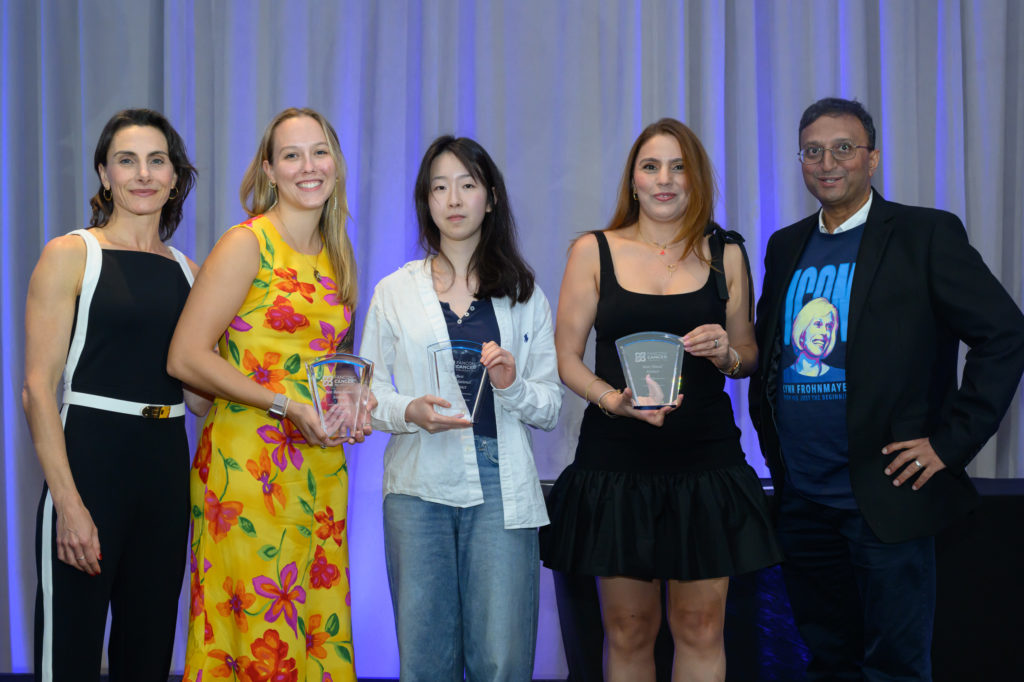
Three poster award recipients presented additional approaches to understanding FA biology and improving risk assessment:
- Basic research award: Abigail Molnar. In FA-derived cell lines, nicotinamide riboside supplementation restored activity of NAD-dependent enzymes and improved markers of DNA damage, replication stress and mitochondrial health. These cell findings support further investigation but do not establish the safety or effectiveness of supplementation in people with FA.
- Clinical research award: Lobna Kammoun. A machine learning model developed using retrospective records from 233 people with FA achieved an internally cross-validated AUC of 0.78 for predicting severe hematologic progression. External and prospective validation are needed before clinical use.
- Translational research award: Jiayue “Wendy” Wu. Mouse-derived oral and esophageal organoids developed progressive precancer-like abnormalities in FA-deficient tissue without added carcinogens. Restoring FA genes corrected sensitivity to DNA crosslinking agents but did not reverse established abnormalities in tissue differentiation, raising questions about the timing of preventive interventions.