

Ford loved his Mama and Daddy. He lit up anytime his Grandma, Grandpa or hospice nurse, Molly, came into the room. He loved the color blue, his stuffed animal giraffe and his puppy dog brother, Boats. He had the craziest, cutest, fluffiest hair and almost always had a binky in his mouth. When he didn’t, he was sticking out his tongue or smiling with his whole face. His nursery is decorated with moons, planets and stars. He was always bigger than the whole sky.
Directory

Jacob Corn
Professor of Genome Biology | PhD | Berkeley, USA
The Corn Lab develops and uses next-generation genome editing and regulation technologies. They work on both fundamental biological discovery and potential therapies for human genetic diseases. Our focus is the mechanisms by which cells repair their DNA, maintain and differentiate hematopoietic stem cells, and use ubiquitin signaling to propagate cellular signals. Through technology development, mechanistic cellular biochemistry, and translational projects, they are working to unravel complex cellular phenotypes to further biological understanding and improve human health.
Jacob is committed to the improvement of human health through the fundamental understanding of disease mechanisms. Over the last fifteen years he has bridged academia and industry, working in therapeutic areas that include infectious disease, neurobiology, and oncology. His graduate studies at the University of California, Berkeley redefined our understanding of DNA replication and his postdoctoral work at the University of Washington computationally designed protein inhibitors from scratch. Prior to joining the Innovative Genomics Institute, Jacob was a group leader at Genentech where he discovered biological mechanisms for challenging therapeutic targets. In his spare time, Jacob enjoys long backpacking trips and rock climbing.
FA Research Projects
The Latest
News & Events

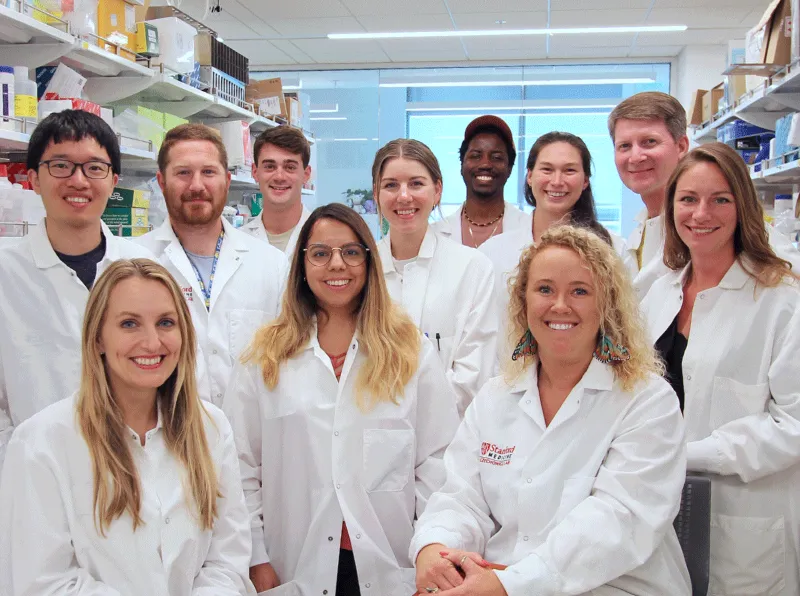
Czechowicz lab at Stanford Promising research needs continued support to answer the next question. A laboratory finding may need testing in more models. A screening study may need years of follow-up. An approach ready for a clinical study needs the...
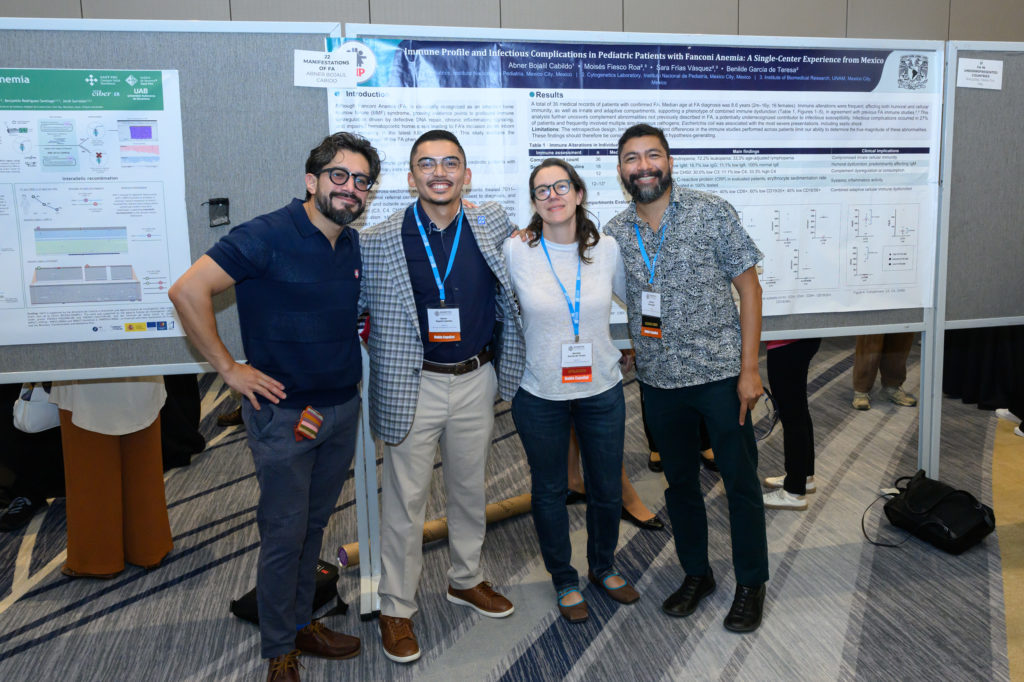
How can we prevent cancer in people with FA? How can treatments become safer? At the 2026 FA Scientific Symposium in Phoenix, researchers shared progress toward answering these questions, alongside work to protect blood-forming cells and better understand the broader effects of FA. Some approaches are entering clinical studies. Others are helping researchers decide which ideas deserve further testing.