




Pioneering Research
for a Brighter Tomorrow

A Beacon of Support

Fanconi Cancer Foundation

Our mission is to improve the lives of people affected by Fanconi anemia and associated cancers worldwide by funding exceptional research and empowering our community.

Founded in 1989 by parents Lynn and David Frohnmayer, FCF’s contributions have been instrumental in understanding the disease and improving treatments, with more than $33 million funded for 260+ research projects worldwide. Life expectancy has more than doubled as treatments have drastically improved. We must now take on the most significant and currently unsolved problem facing the FA community today: cancer.

Site Logo

The World Leader in FA Research

Igniting Solutions

Empowering Lives through Research

Cancer may be the most difficult issue that people with FA face in their lifetimes. As the leading foundation dedicated to supporting research on this disease, we must intensify our focus on this urgent and currently unsolved problem to discover solutions.

That’s why our research activities are focused on cancer prevention, detection, treatment and awareness. Because all facets of this disease are interconnected, we also fund research into gene editing and gene therapy, preclinical models, clinical trials, improving quality of life, and understanding the disease.

10,000+

Donors Invested

$33M+

In Research

1,500+

Families Registered

23

Genes Identified

Unleashing Progress

Creating
Lifelong Impact

Our efforts extend beyond research, encompassing advocacy, community support, educational resources, and clinical programs like the Virtual Tumor Board and the FA Patient Registry.

We envision a future in which we can prevent and/or eliminate the primary causes of death and disability in people with FA, enabling them to live full lives. We've come a long way, but we know there is still a lot of work to be done.

You’re Among An Amazing
Community Of People

10,000+

Donors Invested

1,500+

Families

240+

Funded Researchers

150+

Volunteers

Transparency & Accountability

Our Financials

With your help, we are improving the quality of life for people with FA around the world by funding exceptional research. FCF believes in and practices transparency, accountability, and efficiency. We are always striving to become more efficient and to ensure your generous donations are put to best use by directing as much funding as possible to grants and to supporting our community.

$1,639,245

Research Initiatives

$1,356,784

Community Support

$398,389

Fundraising

$569,462

Administration

A Network of Love

Caring for Yourself or a Loved One

Join our FA Family Network, which gives you access to educational materials, resources, support services, and community. All information and services are free, and your information is kept confidential.

The Latest

News & Events

Bigger Than the Whole Sky: Ford’s Story

Ford loved his Mama and Daddy. He lit up anytime his Grandma, Grandpa or hospice nurse, Molly, came into the room. He loved the color blue, his stuffed animal giraffe and his puppy dog brother, Boats. He had the craziest, cutest, fluffiest hair and almost always had a binky in his mouth. When he didn’t, he was sticking out his tongue or smiling with his whole face. His nursery is decorated with moons, planets and stars. He was always bigger than the whole sky.

Read More >

Nine Newly Funded Research Grants Support Next Steps in FA Care

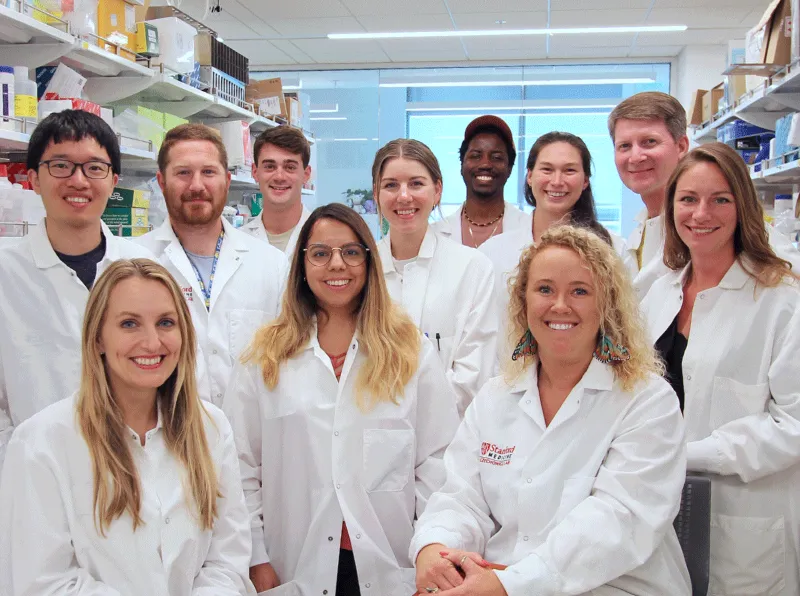
Czechowicz lab at Stanford Promising research needs continued support to answer the next question. A laboratory finding may need testing in more models. A screening study may need years of follow-up. An approach ready for a clinical study needs the...

Read More >

New Findings, Next Steps: Research Highlights From the 2026 FA Scientific Symposium

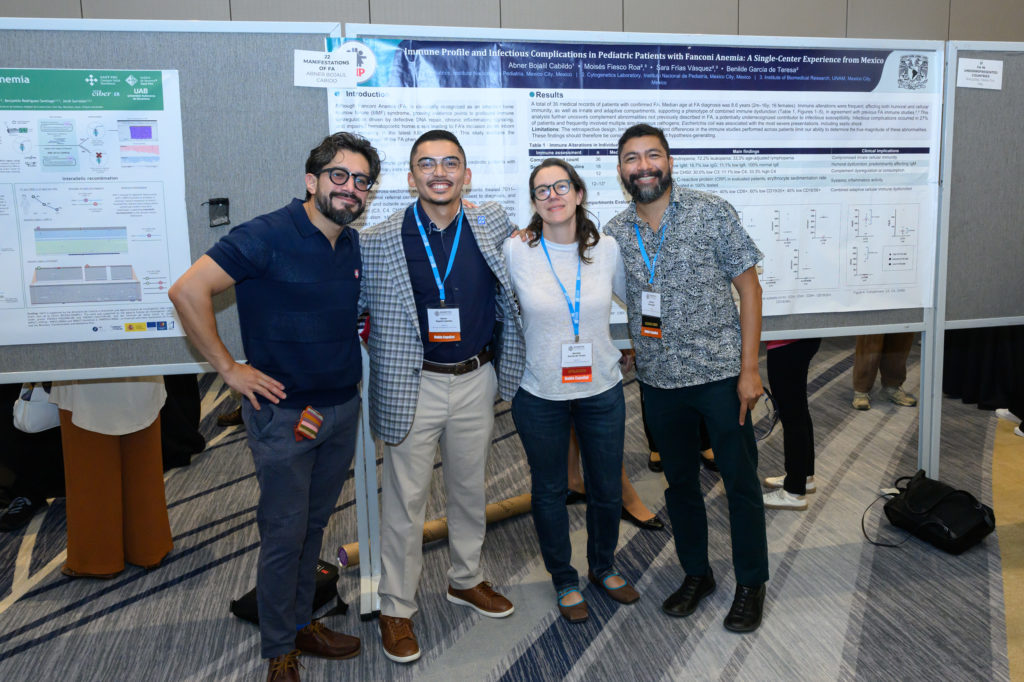
How can we prevent cancer in people with FA? How can treatments become safer? At the 2026 FA Scientific Symposium in Phoenix, researchers shared progress toward answering these questions, alongside work to protect blood-forming cells and better understand the broader effects of FA. Some approaches are entering clinical studies. Others are helping researchers decide which ideas deserve further testing.

Read More >