

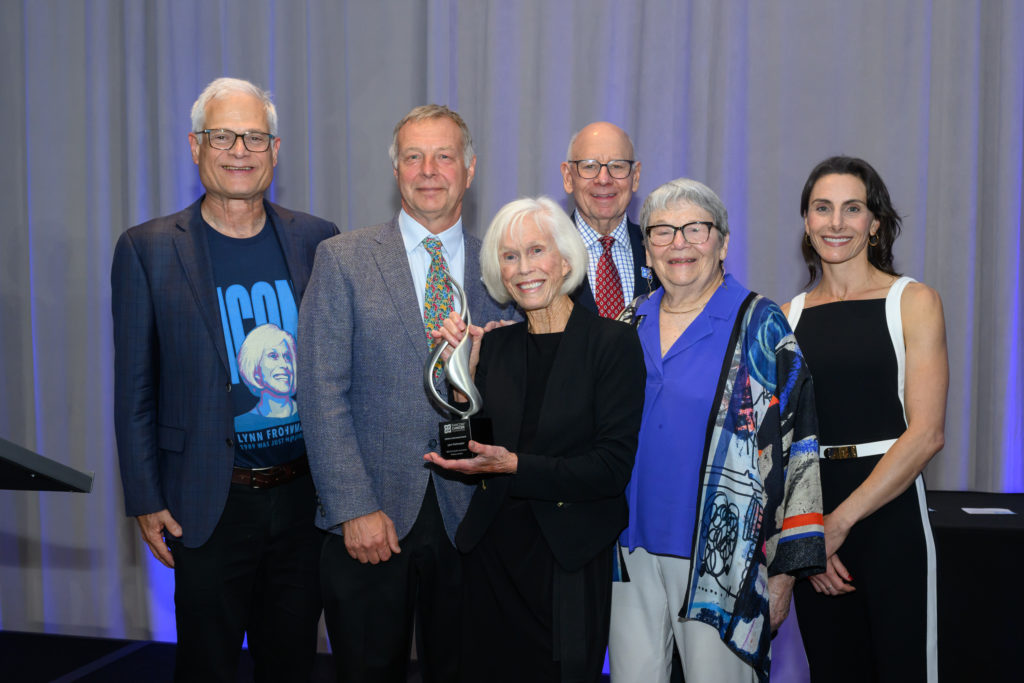
More than four decades ago, Lynn Frohnmayer was a mother searching for answers after learning that three of her five children had Fanconi anemia. There was no roadmap and no established network of families or experts. Information was scarce, treatments were limited, and the future her family had been given was devastating.
Supported Research
Cancer Prevention in Fanconi Anemia through Alleviating Formaldehyde Genotoxicity
Amount Funded: $488,000
In collaboration with the American Association for Cancer Research, a global leader in cancer research, we’ve presented Dr. Wang with the 2024 Fanconi Cancer Foundation-AACR NextGen Grant for Transformative Cancer Research. Through this groundbreaking work, Dr. Wang seeks to prevent cancer in patients with Fanconi anemia (FA) by targeting specific nutritional and metabolic pathways.
The accumulation of DNA damage and genetic mutations ultimately causes cancer. This process is greatly accelerated in children and young adults with FA. A recent advancement in the field is the discovery that our bodies produce high quantities of reactive chemicals called aldehydes, which cause DNA damage in FA patients. In this project, Dr. Wang will leverage mouse models and FA patient samples to study the nutritional and metabolic pathways that regulate aldehyde production, with the aim of targeting these pathways as novel cancer prevention strategies for FA patients.
Researchers: Meng Wang, MD, PHD
Cancer Prevention in Fanconi Anemia through Alleviating Formaldehyde Genotoxicity
The Latest
News & Events
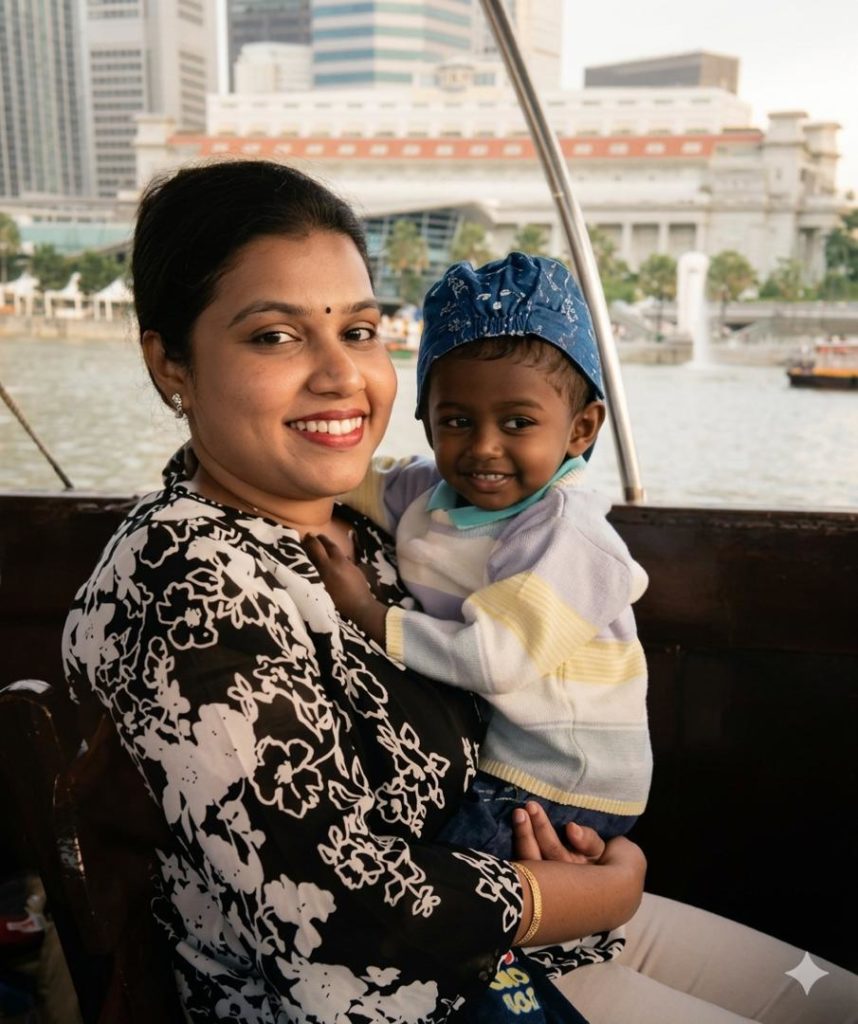
What I hope for most is greater awareness, earlier diagnosis, access to treatment and support for families affected by FA in Malaysia. I hope no other mother has to go through what I went through, feeling confused, unprepared and alone while watching her children struggle with FA.
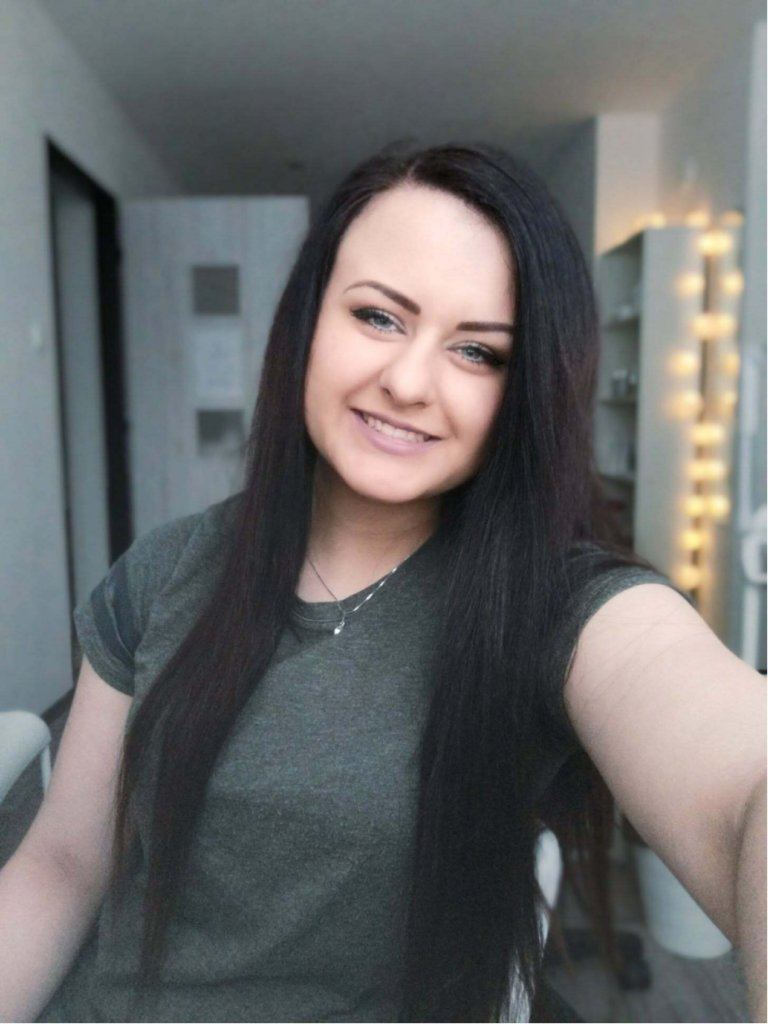
The Fanconi Cancer Foundation is pleased to recognize Dominika as the first-place recipient of the 2026 Winn/Byrd Award for Adults with FA. Dexter Sherrell received the second-place award for his work connecting people affected by rare diseases with researchers, health care professionals and advocates.