My name is Kambri, and I’m 17 years old. I was diagnosed with Fanconi anemia when I was five.
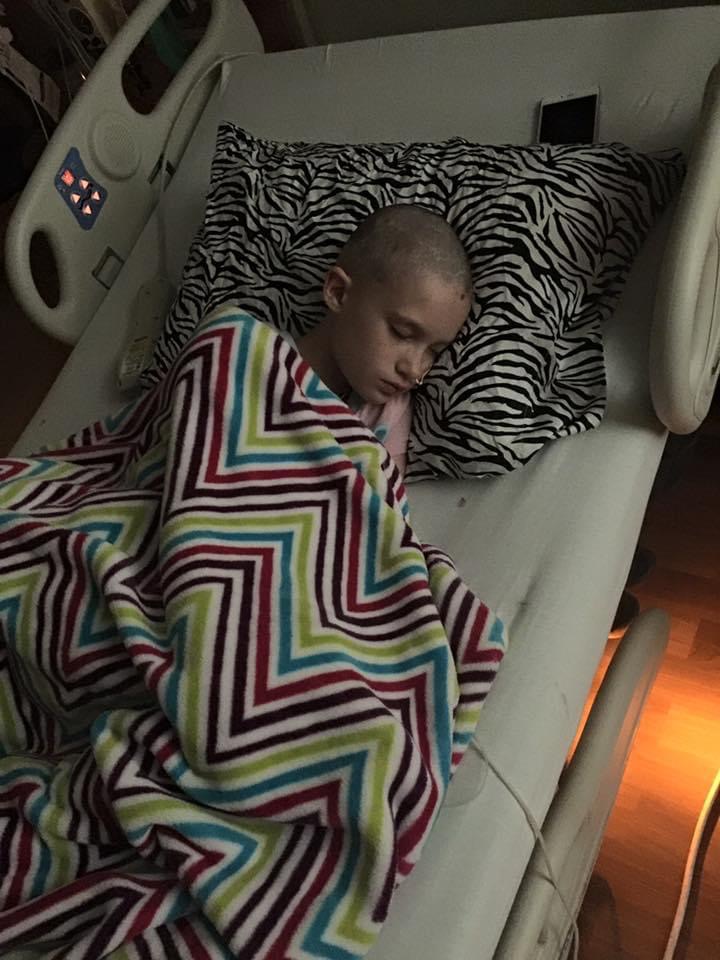
Before my diagnosis, I just didn’t feel good for a while. I had frequent nosebleeds, bruised easily, and was tired a lot. Eventually, those symptoms led to testing and my FA diagnosis. At the time, I didn’t fully understand what was happening, but looking back, I can see how much my body was going through even at such a young age.


Today, I get to live a pretty normal life. Most of my day-to-day focus is on routine checkups, and for the most part, life feels typical. Still, there’s always a small, constant worry in the back of my mind that something could change. Living with FA means learning to hold both things at once: gratitude for feeling well and awareness that FA doesn’t simply disappear.
One thing I wish more people understood is that FA doesn’t go away after transplant. Even when things look normal from the outside, it’s something you live with for life. That reality shapes how you think about your health, your future, and the care you take with your body.
A defining moment for me came as I got older and started to understand how much I went through, even though I don’t remember all of it. Realizing that my life could have turned out very differently made me appreciate my health and where I am now in a deeper way. It changed how I see my past and how I approach my future.
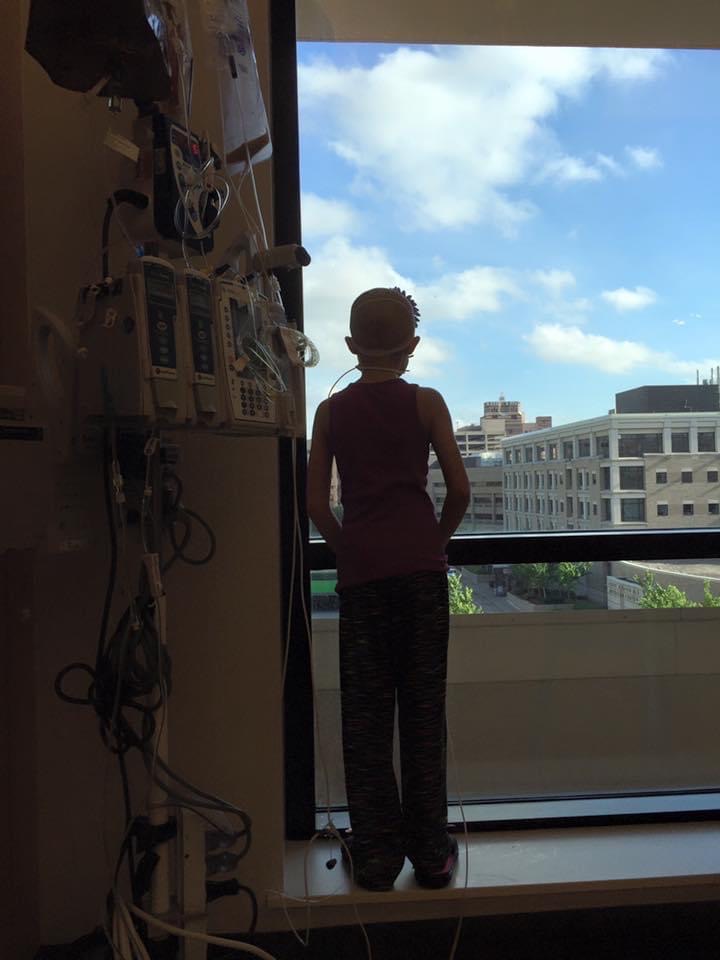
I’m a high school junior and also a concurrent college student. I’m involved in school leadership, and I hope to work in health care someday. My goal is to become a CRNA and work in pediatrics, giving back in a meaningful way to the kind of care that made such a difference in my own life.
Looking ahead, I hope to stay healthy and see continued progress in FA research. In 2026, I’ll be celebrating several milestones: 10 years post-transplant, four years post spinal fusion, and turning 18. Those moments feel significant, not just as anniversaries, but as reminders of how far I’ve come.

To the donors who make research possible, thank you. The research and care you support truly change lives. You’ve helped make a future like mine possible.
FA is part of my life, but it’s not who I am.