

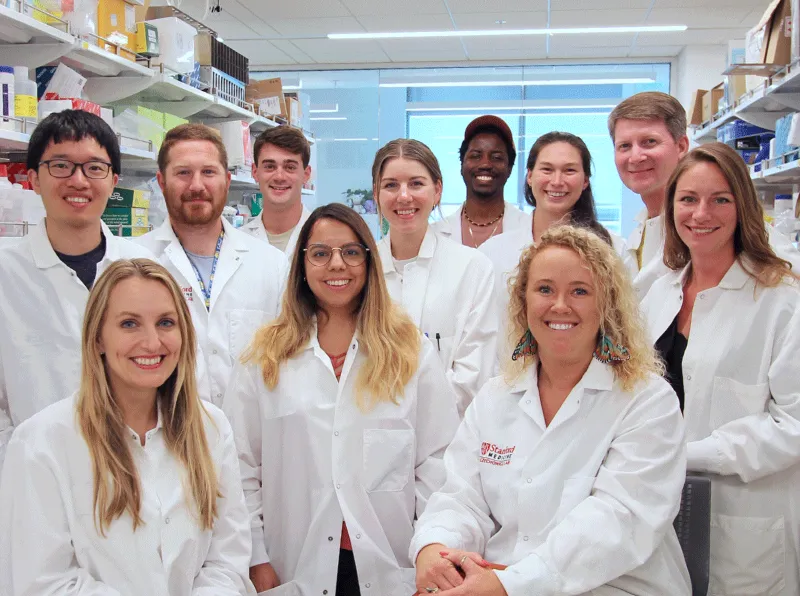
Czechowicz lab at Stanford Promising research needs continued support to answer the next question. A laboratory finding may need testing in more models. A screening study may need years of follow-up. An approach ready for a clinical study needs the...
Directory

Jeffrey Siegel
Executive Director, Translational Medicine, Inflammation Clinical Research | MD
Jeffrey Siegel, MD, is Executive Director, Translational Medicine, Inflammation Clinical Research at Gilead Sciences. He received his medical degree from Yale University School of Medicine, internship and residency training at the University Hospitals of Cleveland, clinical fellowship training in Rheumatology at University Hospitals of Cleveland and basic science research training at the NIH in Immunology and signal transduction. After fellowship, he joined the Naval Medical Research Institute for 5 years where he served as Branch Head, Signal Transduction. He then joined the FDA and was there for 14 years, serving as Supervisory Medical Officer, Clinical Team Leader in Rheumatology. He previously worked at Genentech as Senior Group Medical Director in the Product Development Immunology department.
The Latest
News & Events
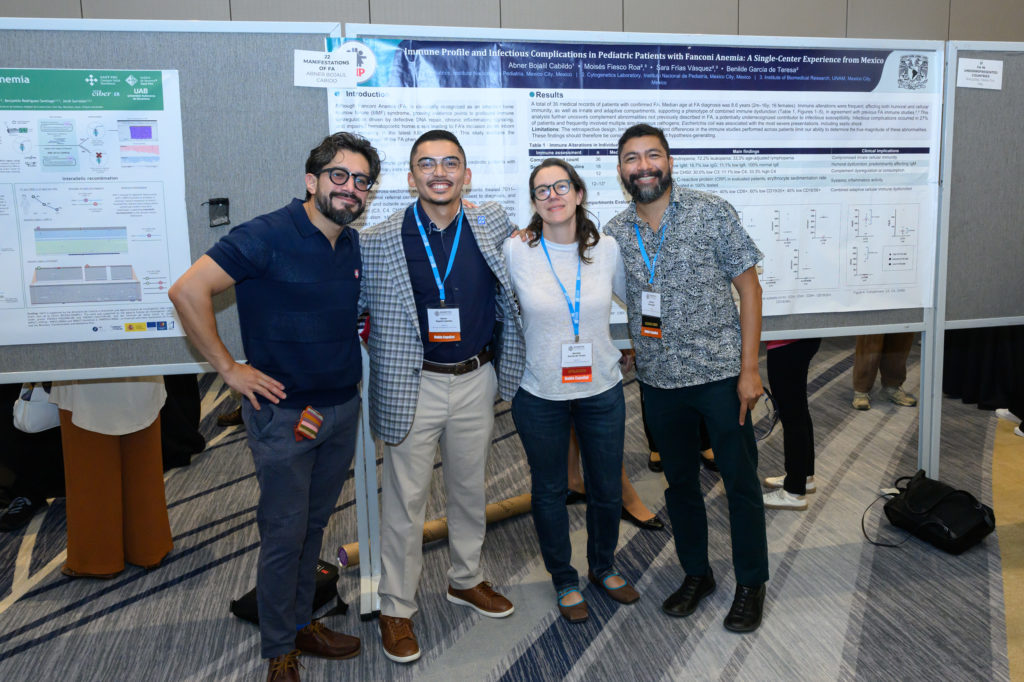
How can we prevent cancer in people with FA? How can treatments become safer? At the 2026 FA Scientific Symposium in Phoenix, researchers shared progress toward answering these questions, alongside work to protect blood-forming cells and better understand the broader effects of FA. Some approaches are entering clinical studies. Others are helping researchers decide which ideas deserve further testing.
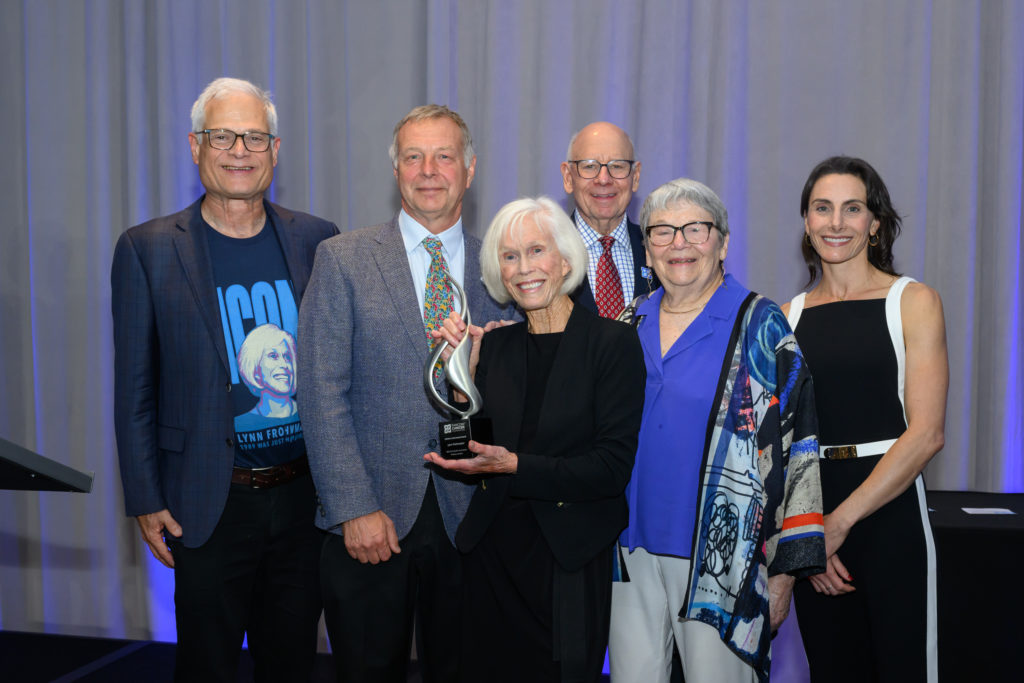
More than four decades ago, Lynn Frohnmayer was a mother searching for answers after learning that three of her five children had Fanconi anemia. There was no roadmap and no established network of families or experts. Information was scarce, treatments were limited, and the future her family had been given was devastating.