

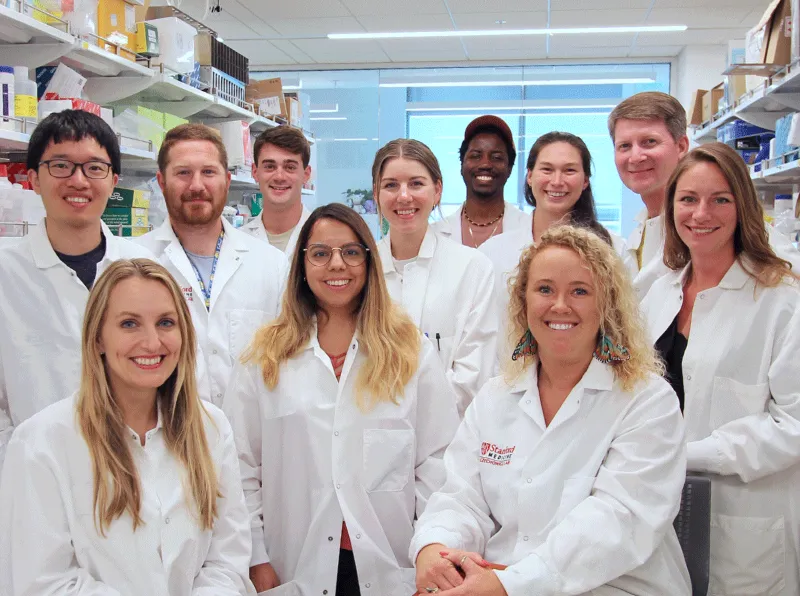
Czechowicz lab at Stanford Promising research needs continued support to answer the next question. A laboratory finding may need testing in more models. A screening study may need years of follow-up. An approach ready for a clinical study needs the...
Directory

Blanche P. Alter
Senior Clinician | MD, MPH | Bethesda, MD
Dr. Alter developed an interdisciplinary clinical research program, conducting systematic investigations of cancer in the inherited bone marrow failure syndromes (http://marrowfailure.cancer.gov/). The prototype disorder for this program is Fanconi anemia, in which there is a large excess of unusual cancers that occur at atypically early ages, including myelodysplastic syndrome, acute myeloid leukemia, and cancers of the oral cavity and oropharynx, esophagus, cervix and vulva, and liver.
This project involves active, protocol-driven clinical research. Investigations include surveys to determine the incidence and characteristics of cancer in each of the syndromes; case-control studies to identify additional risk factors and perhaps new cancer pathways; genotype/phenotype correlations with reference to cancer susceptibility; heterozygote surveys with regard to the possible relation between the carrier state and cancer; and biologic studies of the tumors to determine their resemblance to their counterparts in the general population. The patients who have these syndromes comprise a group at high risk of cancer which may be suitable for studies of cancer screening and prevention modalities.
FA Research Projects
The Latest
News & Events
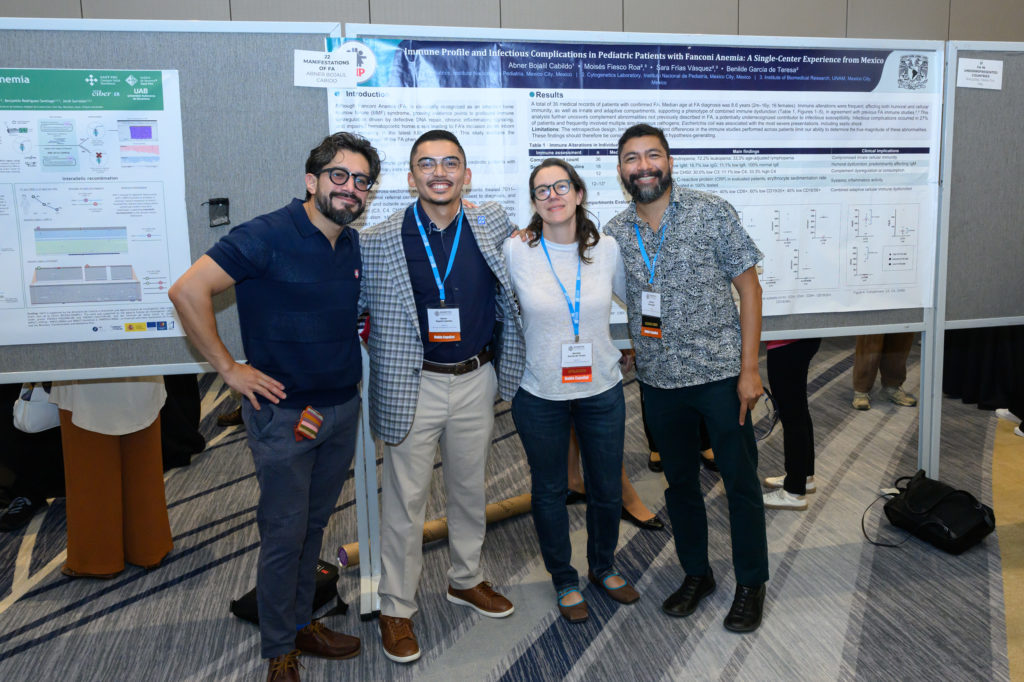
How can we prevent cancer in people with FA? How can treatments become safer? At the 2026 FA Scientific Symposium in Phoenix, researchers shared progress toward answering these questions, alongside work to protect blood-forming cells and better understand the broader effects of FA. Some approaches are entering clinical studies. Others are helping researchers decide which ideas deserve further testing.
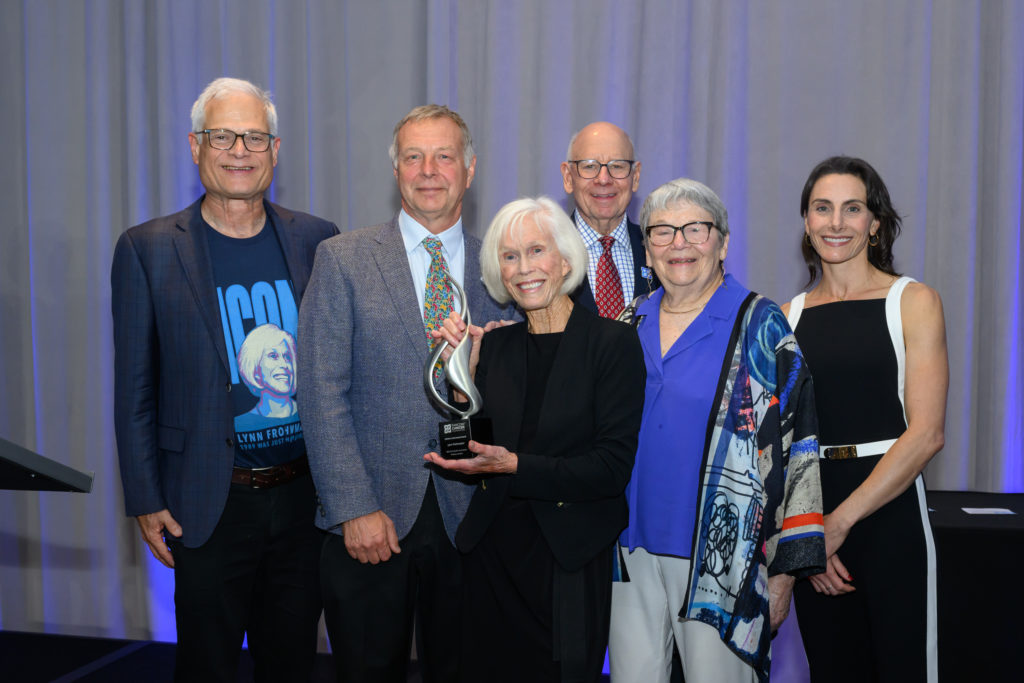
More than four decades ago, Lynn Frohnmayer was a mother searching for answers after learning that three of her five children had Fanconi anemia. There was no roadmap and no established network of families or experts. Information was scarce, treatments were limited, and the future her family had been given was devastating.