

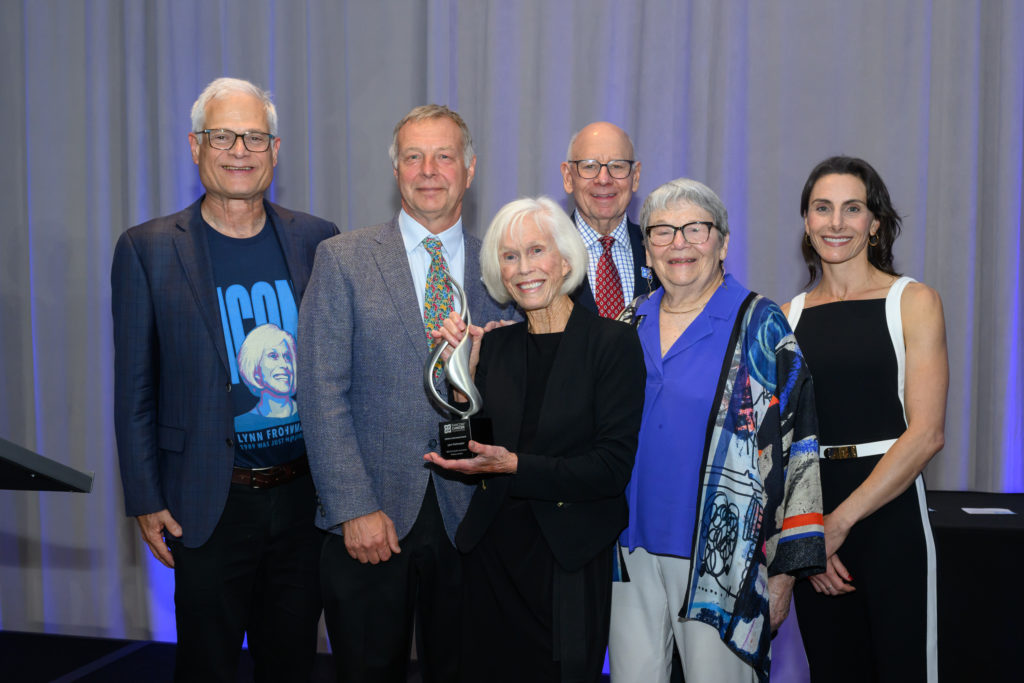
More than four decades ago, Lynn Frohnmayer was a mother searching for answers after learning that three of her five children had Fanconi anemia. There was no roadmap and no established network of families or experts. Information was scarce, treatments were limited, and the future her family had been given was devastating.
Directory
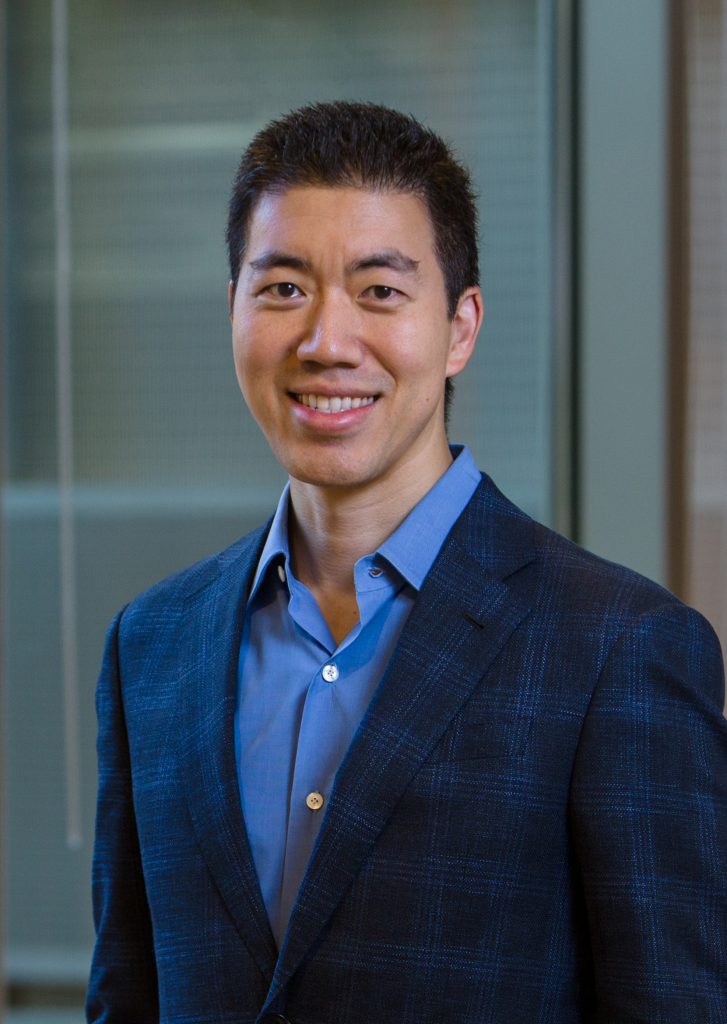
David Liu
PhD
David R. Liu is the Richard Merkin Professor and director of the Merkin Institute of Transformative Technologies in Healthcare, vice-chair of the faculty at the Broad Institute of MIT and Harvard, the Thomas Dudley Cabot Professor of the Natural Sciences at Harvard University, and a Howard Hughes Medical Institute (HHMI) investigator. Liu’s research integrates chemistry and evolution to illuminate biology and enable next-generation therapeutics. His major research interests include the engineering, evolution, and in vivo delivery of genome editing proteins such as base editors and prime editors to study and treat genetic diseases; the evolution of proteins with novel therapeutic potential using phage-assisted continuous evolution (PACE); and the discovery of bioactive synthetic small molecules and synthetic polymers using DNA-templated organic synthesis and DNA-encoded libraries.
Base editing—the first general method to perform precision gene editing without double-stranded breaks, and a Science 2017 Breakthrough of the Year finalist—as well as prime editing, PACE, and DNA-templated synthesis are four examples of technologies pioneered in his laboratory. These technologies are used by thousands of labs around the world and have enabled the study and treatment of genetic diseases. Five base editing clinical trials are already underway to treat leukemia, hypercholesterolemia, sickle-cell disease, and beta-thalassemia, and the first clinical benefit of a base edited therapeutic in a T-cell leukemia trial has been reported.
FA Research Projects
David Liu
The Latest
News & Events
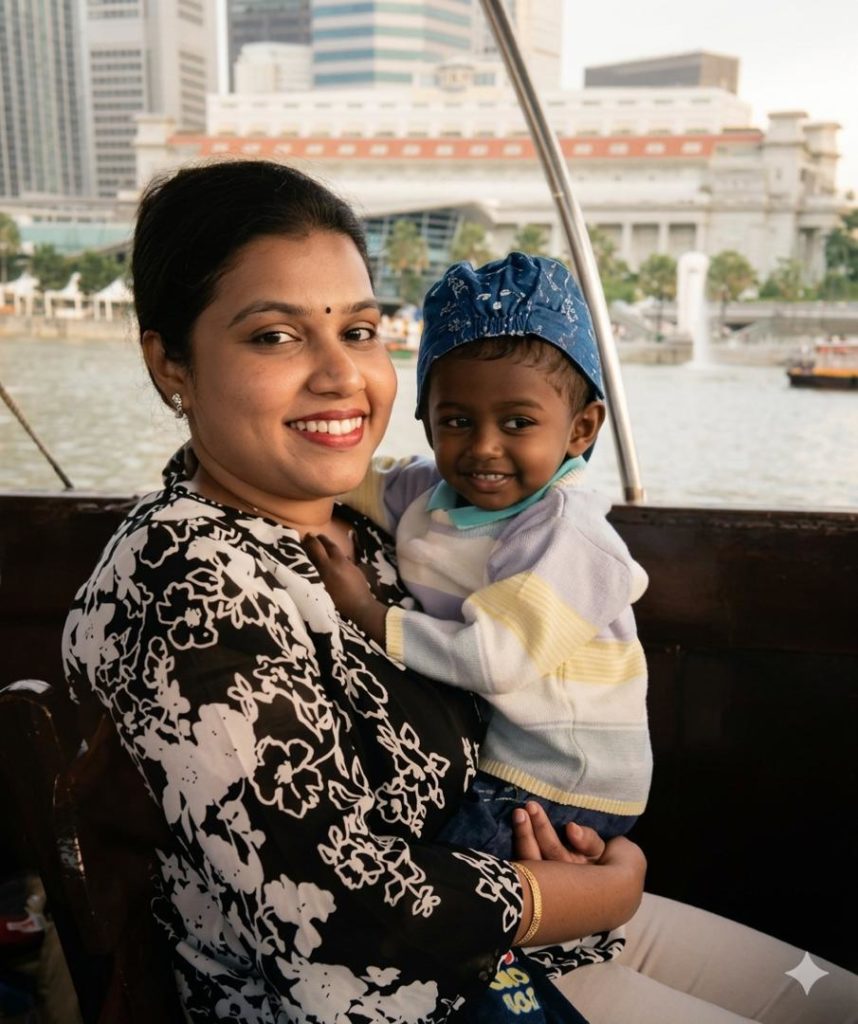
What I hope for most is greater awareness, earlier diagnosis, access to treatment and support for families affected by FA in Malaysia. I hope no other mother has to go through what I went through, feeling confused, unprepared and alone while watching her children struggle with FA.

The Fanconi Cancer Foundation is pleased to recognize Dominika as the first-place recipient of the 2026 Winn/Byrd Award for Adults with FA. Dexter Sherrell received the second-place award for his work connecting people affected by rare diseases with researchers, health care professionals and advocates.