

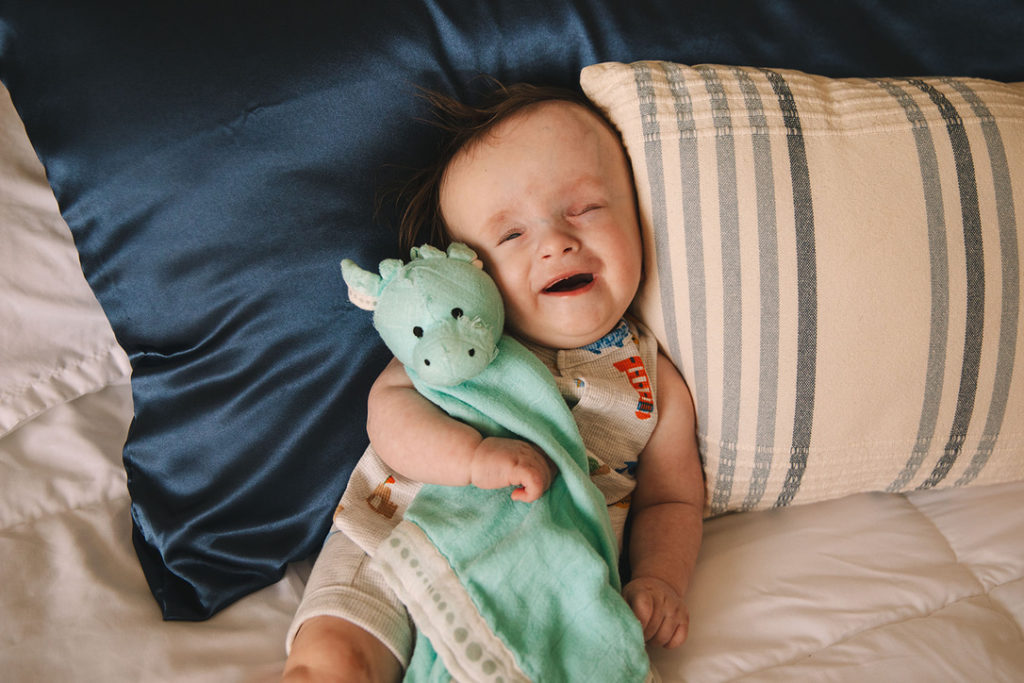
Ford loved his Mama and Daddy. He lit up anytime his Grandma, Grandpa or hospice nurse, Molly, came into the room. He loved the color blue, his stuffed animal giraffe and his puppy dog brother, Boats. He had the craziest, cutest, fluffiest hair and almost always had a binky in his mouth. When he didn’t, he was sticking out his tongue or smiling with his whole face. His nursery is decorated with moons, planets and stars. He was always bigger than the whole sky.
Directory

Daniel Kold
Member
Daniel lives with his wife and son in a small town close to Copenhagen, Denmark. He is 45-years-old and works as a pedagogical assistant at a nursery. Daniel received a bone marrow transplant in 1985 and had one oral cancer in 2014, the same year he first attended his first FA Adult Meeting. Daniel strives to be a positive role model and to show younger people with FA and their parents that there are plenty of reasons to plan for a better future for yourself or your child. FA is serious, but Daniel sees the power of using humor to make life a little bit easier. A self-proclaimed “big child”, gaming is a big passion of his. He worked in the gaming industry for years and also used it raise funds though livestreaming online games. He launched a podcast called “Life, Death, and Happiness” that featured the stories of those living with rare diseases (many guests have FA). Next on his creative endeavors is releasing a Danish rap album in May 2021. Daniel is committed to living life to the fullest and serving as an inspiration on how to live with FA in a positive way.
The Latest
News & Events
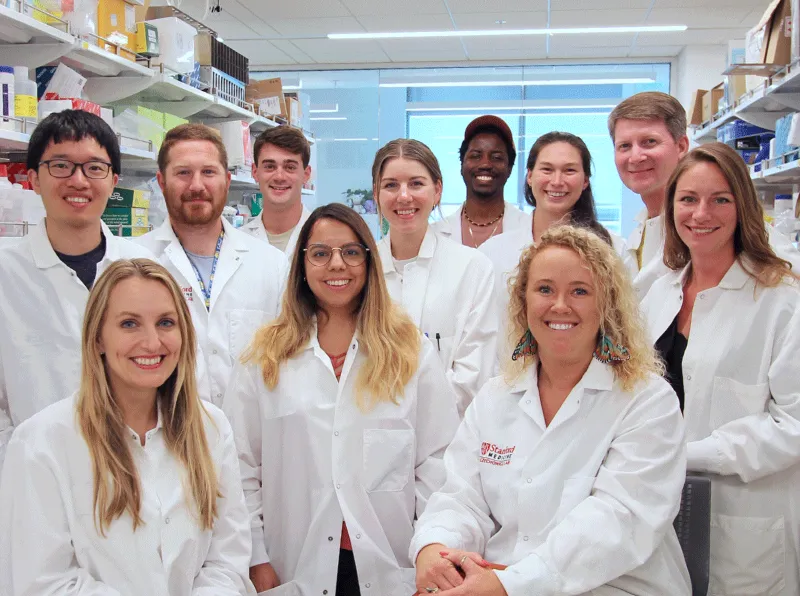
Czechowicz lab at Stanford Promising research needs continued support to answer the next question. A laboratory finding may need testing in more models. A screening study may need years of follow-up. An approach ready for a clinical study needs the...
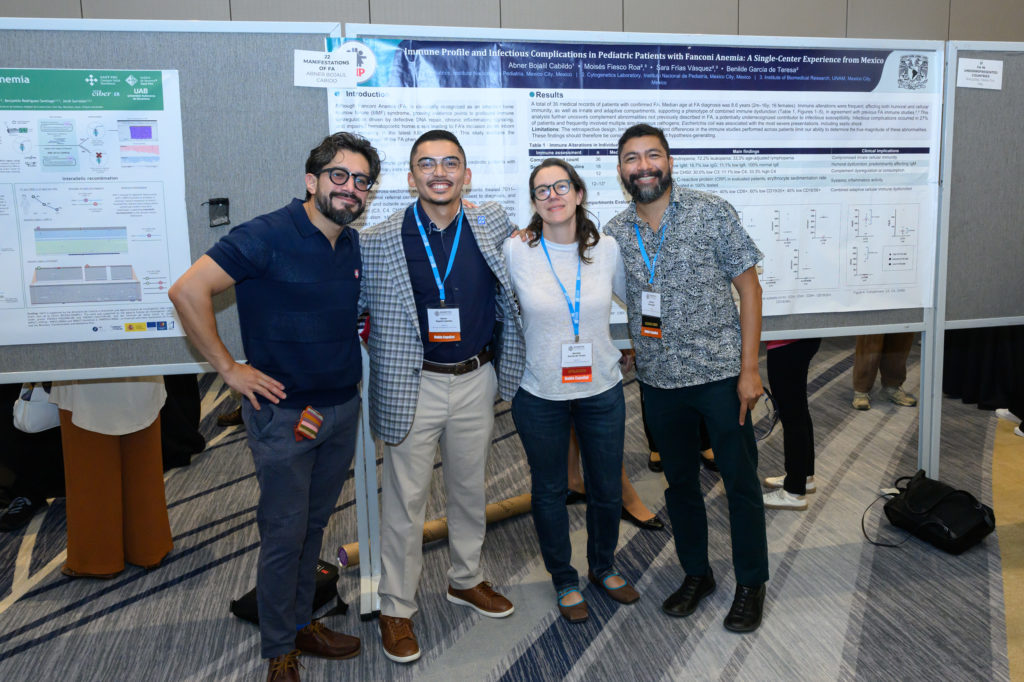
How can we prevent cancer in people with FA? How can treatments become safer? At the 2026 FA Scientific Symposium in Phoenix, researchers shared progress toward answering these questions, alongside work to protect blood-forming cells and better understand the broader effects of FA. Some approaches are entering clinical studies. Others are helping researchers decide which ideas deserve further testing.