

Ford loved his Mama and Daddy. He lit up anytime his Grandma, Grandpa or hospice nurse, Molly, came into the room. He loved the color blue, his stuffed animal giraffe and his puppy dog brother, Boats. He had the craziest, cutest, fluffiest hair and almost always had a binky in his mouth. When he didn’t, he was sticking out his tongue or smiling with his whole face. His nursery is decorated with moons, planets and stars. He was always bigger than the whole sky.
Directory

Csilla Krausz
MD, PhD
Csilla Krausz obtained her MD in 1990 and her specialization in Endocrinology and Metabolic Diseases in 1995 at the University of Florence, Italy; and her PhD in Human Genetics in 2001 at the Pasteur Institute/University Paris 7, France. Currently she is Professor in Endocrinology and research group leader at the University of Florence, Italy and co-director of the Florence European Academy of Andrology (EAA) Training Center in Andrology. Her first research field was spermatology with special interest in oxidative stress and functional sperm parameters. Starting from 1995 she is focusing on genetics and epigenetics of male infertility, hypogonadism, cryptorchidism, testis tumor and genomic instability of the male gamete. Her major scientific achievements concern the X and Y chromosome-linked CNVs (deletions) and their clinical significance. She is author of more than 140 scientific publications in international peer-reviewed journals and her H citation index is 43. According to a recent worldwide survey, she is among the top 20 most productive authors on male infertility research from 1995. She is an Academician of the European Academy of Andrology (EAA) and in 2014 has been elected as the President of the EAA for the period 2014- 2018. In 2017 has been appointed by the ESE as the Clinical Lead of the Reproductive Endocrinology focus area.
FA Research Projects
The Latest
News & Events

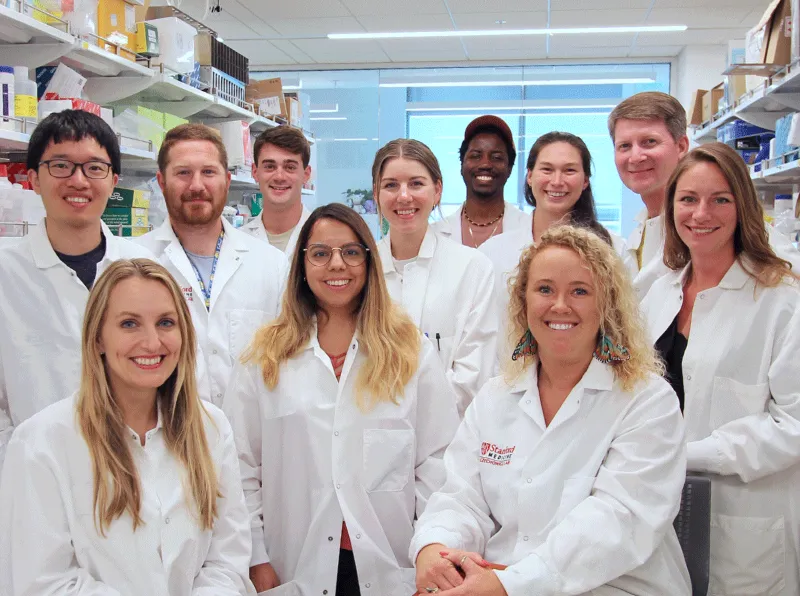
Czechowicz lab at Stanford Promising research needs continued support to answer the next question. A laboratory finding may need testing in more models. A screening study may need years of follow-up. An approach ready for a clinical study needs the...
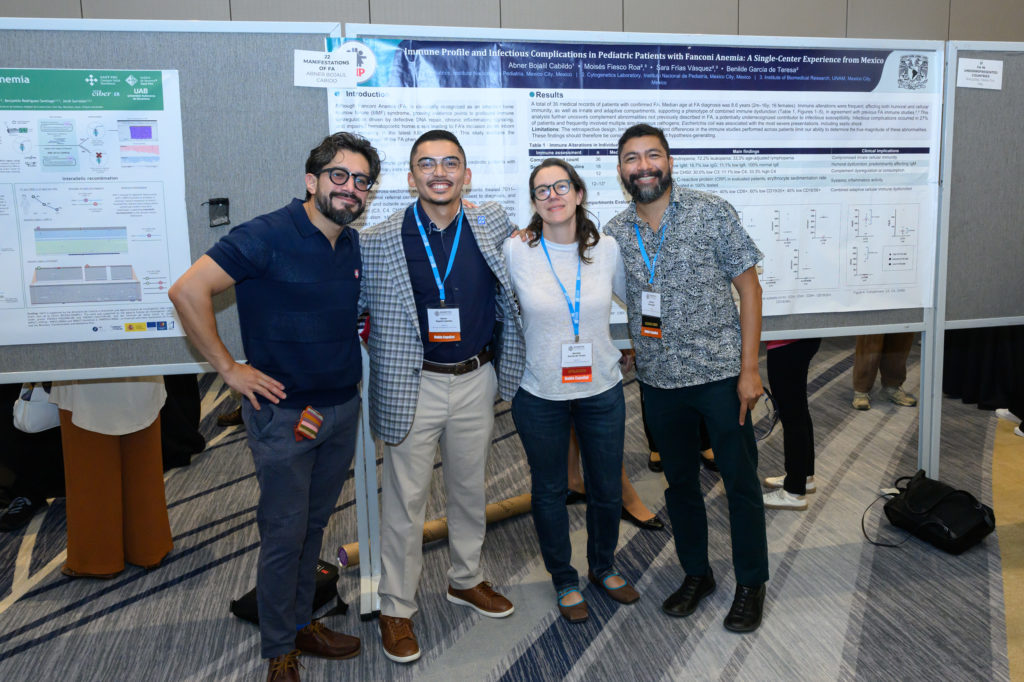
How can we prevent cancer in people with FA? How can treatments become safer? At the 2026 FA Scientific Symposium in Phoenix, researchers shared progress toward answering these questions, alongside work to protect blood-forming cells and better understand the broader effects of FA. Some approaches are entering clinical studies. Others are helping researchers decide which ideas deserve further testing.