

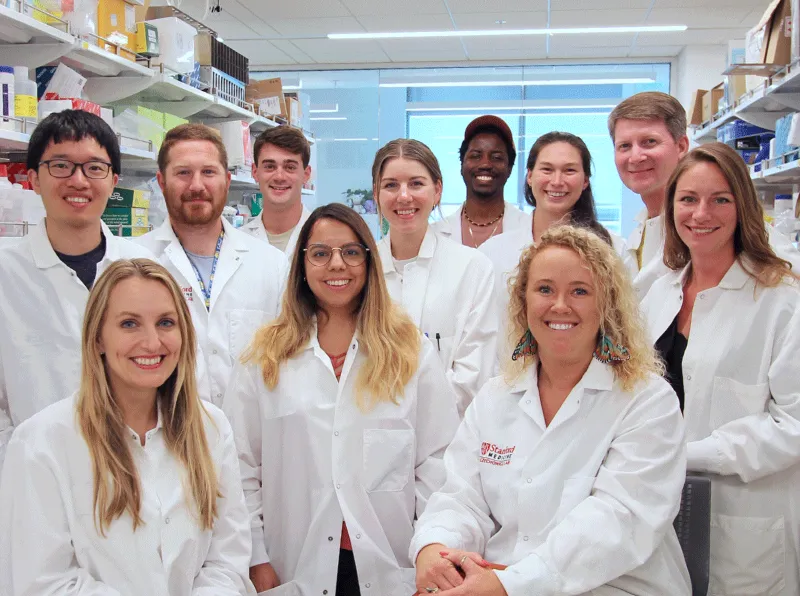
Czechowicz lab at Stanford Promising research needs continued support to answer the next question. A laboratory finding may need testing in more models. A screening study may need years of follow-up. An approach ready for a clinical study needs the...
Directory

Akiko Shimamura
Bone Marrow Failure and Myelodysplastic Syndrome Program | MD, PhD | Boston, USA
Dr. Shimamura directs the Bone Marrow Failure and Myelodysplastic Syndrome Program of the Dana Farber/Boston Children’s Cancer and Blood Disorders Center. Her research focuses on translational studies spanning clinical through basic science investigations to understand the genetic and molecular basis of bone marrow failure, MDS, and leukemia predisposition with the goal of developing more effective and less toxic treatments. Dr. Shimamura had previously directed the Bone Marrow Failure Clinic at Boston Children’s Hospital and then at Seattle Children’s Hospital before returning to Boston Children’s Hospital in the fall of 2015.
Dr. Shimamura has mentored numerous students and post-doctoral fellows who have moved on to careers in academics, medicine, or the biotechnology industry.
FA Research Projects
The Latest
News & Events
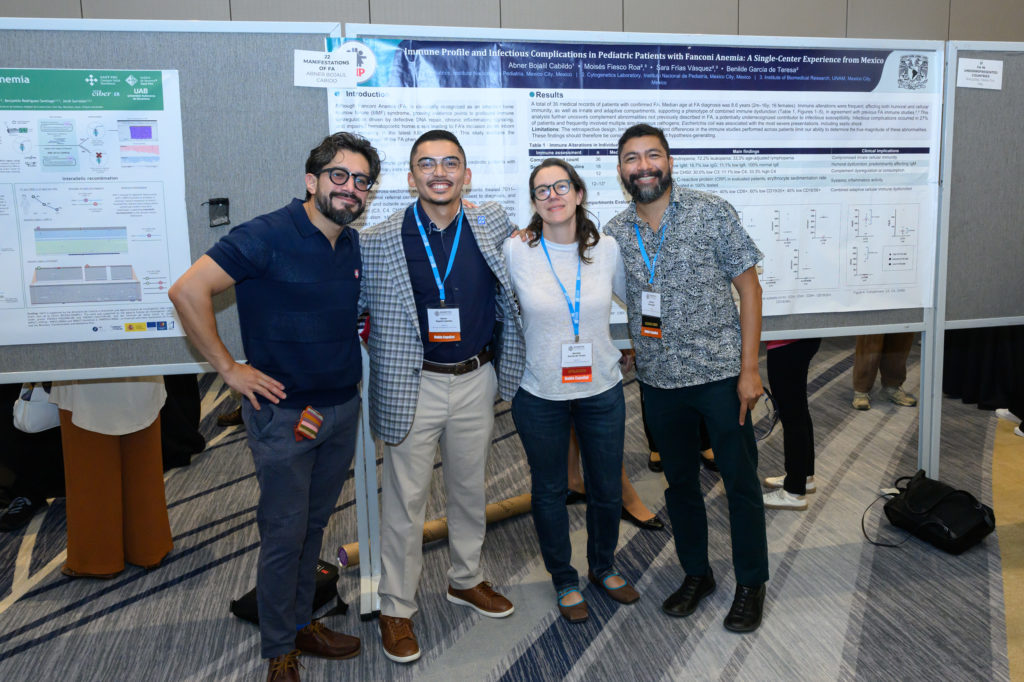
How can we prevent cancer in people with FA? How can treatments become safer? At the 2026 FA Scientific Symposium in Phoenix, researchers shared progress toward answering these questions, alongside work to protect blood-forming cells and better understand the broader effects of FA. Some approaches are entering clinical studies. Others are helping researchers decide which ideas deserve further testing.
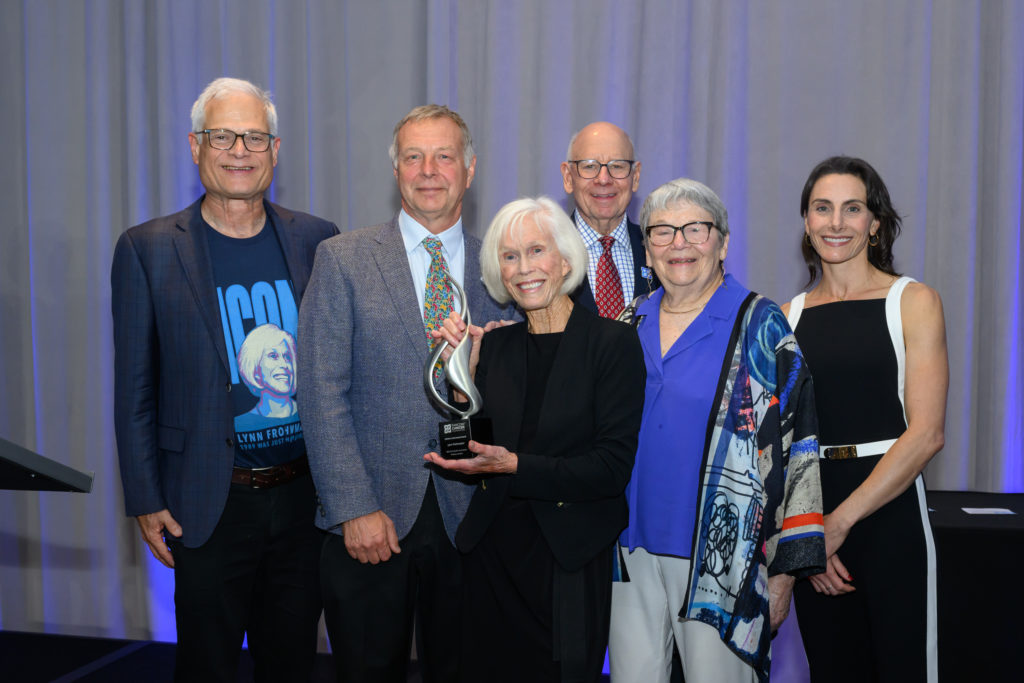
More than four decades ago, Lynn Frohnmayer was a mother searching for answers after learning that three of her five children had Fanconi anemia. There was no roadmap and no established network of families or experts. Information was scarce, treatments were limited, and the future her family had been given was devastating.