

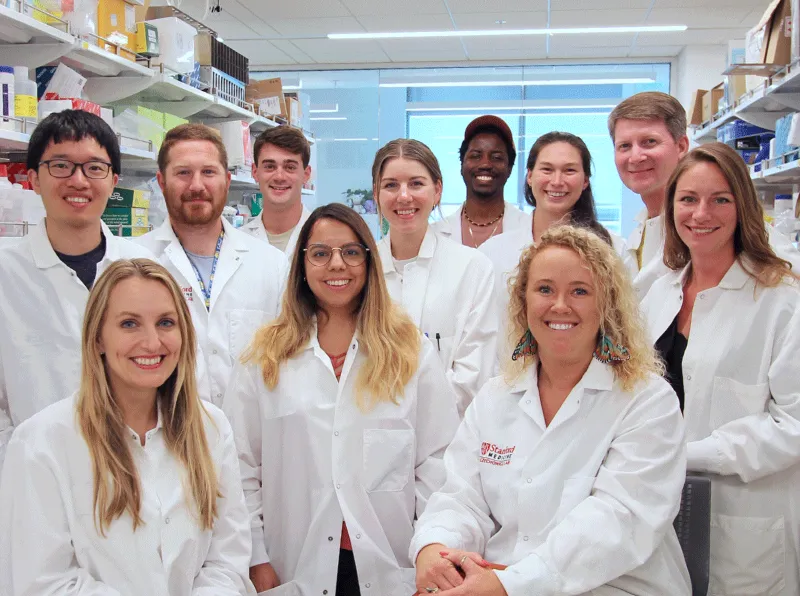
Czechowicz lab at Stanford Promising research needs continued support to answer the next question. A laboratory finding may need testing in more models. A screening study may need years of follow-up. An approach ready for a clinical study needs the...
Directory

Kevin Haworth
Post-Doctoral Research Fellow | PhD
Dr. Haworth is a post-doctoral fellow in the Kiem Lab in Seattle. The Kiem Lab studies cell and gene therapy with a particular interested in the biology of blood and marrow stem cells and the development and use of novel genome editing technologies. The overall goal is to develop better stem cell transplant and cell and gene therapy treatments for patients with genetic and infectious diseases and cancer.
Recent studies from the Kiem lab have examined the role of endothelial cells in iPSC-derived HSC specification and expansion. We have also used endothelial cell support to expand adult marrow HSCs and used novel small molecules for expansion. We have demonstrated successful ex vivo expansion of human cord blood cells when cultured in the presence of specific small molecules. We also have 4 active clinical gene therapy studies. One study aims at treating patients with glioblastoma and we have now treated 7 patients and have shown in our most recent manuscript improved survival in high-risk patients with glioblastoma. One clinical study involves the correction of the genetic defect in blood and marrow stem cells from patients with Fanconi anemia and we have now treated 2 patients. Two clinical studies involve gene therapy approaches for patients with HIV and lymphoma undergoing either primary chemotherapy or requiring an autologous HSC transplantation. The Kiem lab is also part of multiple collaborations to improve the efficiency by which HSCs can be cultured and transduced, while closely monitoring the gene modified clones through cutting-edge high-throughput retroviral integration site analysis.
FA Research Projects
The Latest
News & Events
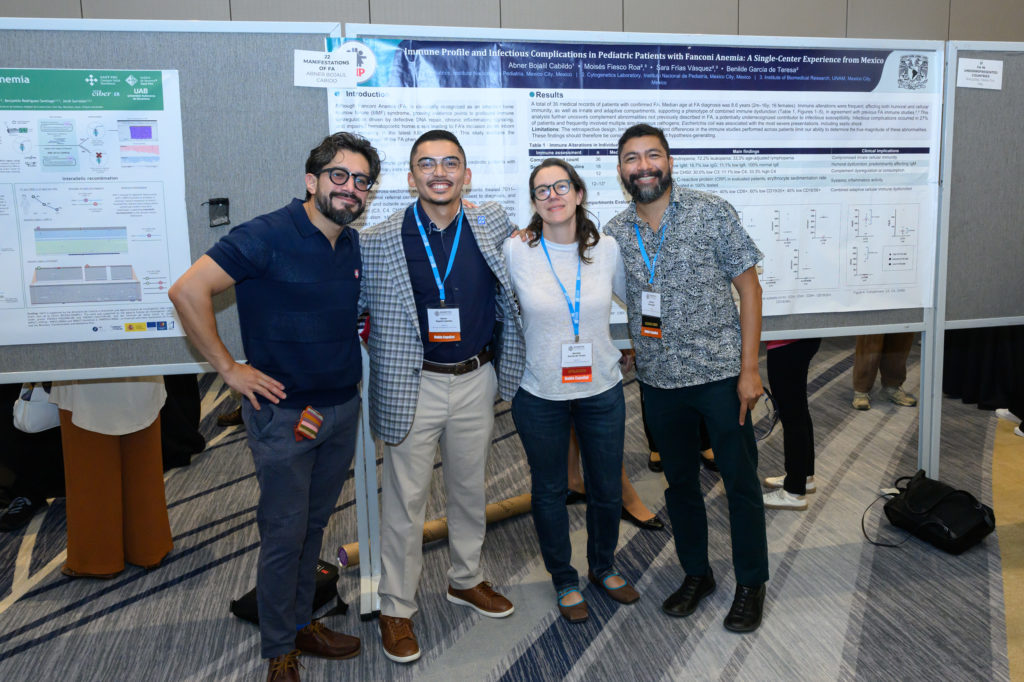
How can we prevent cancer in people with FA? How can treatments become safer? At the 2026 FA Scientific Symposium in Phoenix, researchers shared progress toward answering these questions, alongside work to protect blood-forming cells and better understand the broader effects of FA. Some approaches are entering clinical studies. Others are helping researchers decide which ideas deserve further testing.
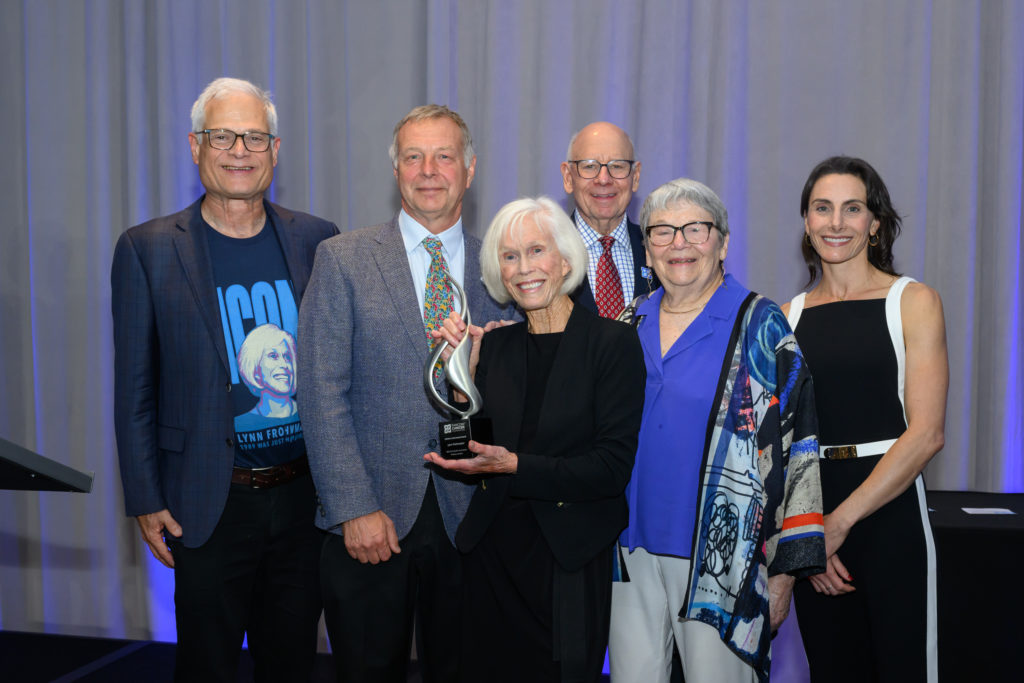
More than four decades ago, Lynn Frohnmayer was a mother searching for answers after learning that three of her five children had Fanconi anemia. There was no roadmap and no established network of families or experts. Information was scarce, treatments were limited, and the future her family had been given was devastating.